Home/Cities of the UAE/Dubai Architecture: From Record-Breaking Skyscrapers to Authentic Historic Districts
15.06.2026
Cities of the UAE
1436
Reading time: 14 minutes
Dubai Architecture: From Record-Breaking Skyscrapers to Authentic Historic Districts
Save the article:
Dubai's architecture is one of the most daring experiments in the history of modern urban planning. Within a few decades, a city rose on the shores of the Persian Gulf where skyscrapers twist on their own axes, museums take the form of a torus, and entire islands are created by hand. No other metropolis has built itself so rapidly and so ostentatiously.
Who is this article for? For those who are planning a trip and want to know which buildings are worth seeing in person. For those with an interest in architecture who want to understand which concepts and names stand behind the city's iconic structures. And for those who simply want to make sense of why the whole world talks about the way Dubai builds.
Why Dubai's Architecture Astonishes the World
Dubai in the mid-twentieth century was a small port town with traditional Arab houses, fishermen, and pearl traders. The oil revenues of the 1970s triggered the first wave of construction.
But the real architectural boom came later, in the 1990s and 2000s, when the emirate began to purposefully transform itself into a global tourist and business hub. Modern Dubai architecture became the primary instrument of that transformation.
From a small port town to the world capital of skyscrapers
The speed of the city's transformation has no parallel. Within three decades, Dubai joined the ranks of cities with the highest concentration of tall buildings on the planet. The catalyst was not only oil but also a strategic decision: to make architecture part of the brand. Every new landmark building is an international media event, a magnet for investment and tourists.
Image source: Nick Fewings / unsplash.com
Dubai's skyscrapers do not simply rise upwards — they compete for attention. Height, form, materials, concept — all of these are carefully considered architectural decisions, not the incidental result of commercial development. This is precisely why Dubai's buildings so often become objects of study in architecture schools around the world.
Arab traditions and futurism: the secret behind Dubai's architectural style
Dubai's architectural style is a dialogue between two languages. The first is the Islamic architectural tradition: geometric ornamentation, arched forms, barjeel wind towers, and enclosed inner courtyards that protect against the heat. The second is the contemporary architectural language of glass, steel, and unconventional structures.
In most of Dubai's buildings, these languages do not compete, but work together. Arabic calligraphy becomes a window pattern. Traditional ornament is reproduced in steel panels. The form of the dhow — an ancient fishing boat — becomes the silhouette of an opera house. This synthesis is the defining characteristic of Dubai's futuristic architecture.
Dubai's Skyscrapers: Which Buildings You Absolutely Must See
The list of Dubai's famous buildings is long, but among them are those that set the tone for the entire city. These are structures that embody an architectural idea: not merely height or an expensive façade, but a specific engineering or conceptual solution that makes the journey worthwhile.
Burj Khalifa — the tallest skyscraper in the world
The Burj Khalifa stands 828 metres tall and has a tiered silhouette inspired by the flower of the desert lily. The tower narrows as it rises — three wings extend from a central core and gradually diminish. This form reduces wind loading: at different heights, the building “presents” different faces to the wind, preventing the build-up of resonant oscillations.
Image source: Nick Fewings / unsplash.com
The architecture of the Burj Khalifa was developed by the firm Skidmore, Owings & Merrill. Observation decks are located at several levels, including what was the highest in the world at the time of opening.
Burj Al Arab — the sail-shaped hotel that became the city's symbol
Burj Al Arab stands on an artificial island 280 metres from the shore. The building's form replicates the sail of a traditional Arab vessel. The façade is made of a double membrane of PTFE-coated fibreglass, which diffuses sunlight and creates the building's characteristic glow at night.
The building was designed by the British firm Atkins. Since its opening in 1999, the sail silhouette has become one of the most recognisable among the world's famous buildings.
Cayan Tower: a skyscraper twisted 90 degrees
Cayan Tower is one of the most daring examples of how Dubai's skyscrapers work with form. Each of its 73 floors is rotated approximately 1.2 degrees relative to the one below. By the top, the building has completed a full 90-degree rotation.
The twist is not decorative: it reduces the structure's wind resistance, lessening the load imposed by the wind. From the outside, the tower appears alive, its silhouette changing depending on the viewing angle.
The Opus by Zaha Hadid: a cube with a living void within
The Opus is a project by Zaha Hadid Architects, one of the last on which Zaha Hadid herself worked. The building takes the form of a cube containing two towers joined by a link. Inside the cube is an enormous asymmetric void of irregular, organic shape that passes all the way through. This void shapes the building's exterior form.
The deconstructivist style is expressed in the very concept: the object and the space within it are inseparable from one another.
Emirates Towers, O-14 Tower, and Al Rostamani Tower
Emirates Towers are a pair of buildings with triangular cross-sections in which Islamic geometric motifs have been translated into the language of aluminium and glass. O-14 Tower was built on an entirely different principle: its load-bearing structure is externalised in the form of a concrete exoskeleton punctured by more than a thousand openings of varying diameter.
Image source: Saj Shafique / unsplash.com
This exoskeleton is not decorative — it is the actual load-bearing system, which simultaneously provides shade and reduces the heat absorbed by the façade. Al Rostamani Tower is known as the world's first skyscraper with a vertical labyrinth on its façade: a geometric grid of projections and recesses creating a three-dimensional relief across the full height of the building.
Dubai's Museums and Cultural Buildings: Where Architecture Becomes the Exhibit
Dubai's cultural buildings often attract attention before anything inside them does. The buildings are designed so that the form itself carries meaning, expressing an idea, telling a story, or posing a question. The architectural landmarks on this list are worth examining from the outside just as carefully as the collections within are worth studying.
Museum of the Future: the most beautiful building on the planet
The Museum of the Future takes the form of a torus — a closed ring with no beginning and no end. The façade is covered in Arabic calligraphy that simultaneously functions as windows: quotations from the speeches of Sheikh Mohammed are cut into the steel panels and allow natural light to enter.
The building's concept is tripartite: the green hill beneath the structure represents the earth and the past; the ring itself represents the present; and the void inside the torus represents the unknown future, which has yet to be created. The building was designed by Shaun Killa Architects in collaboration with the engineers of Buro Happold.
Dubai Opera in the form of a traditional dhow
Dubai Opera House was built in the form of a dhow — the wooden vessel in which Arab fishermen and traders sailed the waters of the Persian Gulf for centuries. The building's form is a direct statement about Dubai's maritime identity.
Inside is a transformable auditorium that can shift between configurations, from a classical opera stage to a flat-floored concert hall. The architectural design was developed by Atkins.
The Al Fahidi historic district and fort museum: architecture from before the oil era
Al Fahidi Fort is the oldest surviving structure in Dubai, dating to the late nineteenth century. It was built from coral stone and clay, and its low, solid form with corner towers is a typical example of the region's pre-Islamic defensive architecture.
Nearby is a district of traditional houses equipped with barjeel wind towers — a passive ventilation system that captures the wind from above and directs it into the living rooms below. This ensemble stands within direct sight of modern skyscrapers, and the contrast between the two eras is entirely physical.
Etihad Museum and Jameel Arts Centre
The Etihad Museum was built on the very spot where the agreement establishing the United Arab Emirates was signed in 1971. The building's form alludes to a scroll — the document that became the foundation of the country.
Image source: Saj Shafique / unsplash.com
Jameel Arts Centre is a white building with a traditional Arabic layout around a courtyard: an open space at the centre, and galleries along the perimeter. The building combines classic Islamic architectural techniques with contemporary museum functionality.
Dubai's Architectural Landmarks: What Tourists Should See
Among Dubai's architectural landmarks are objects that do not fit the conventional category of "building". These are bridges, islands, squares, and observation structures: elements that shape urban space and are, in themselves, architectural statements.
Dubai Frame: an observation structure between the old and new city
Dubai Frame is a rectangular frame-like structure approximately 150 metres tall. Its location was chosen deliberately: one side looks out over the historic districts of Deira, the other over the glass skyscrapers of the business centre.
The observation deck at Dubai Frame turns the city into a living diorama in which the past and the present are placed within the same frame. The architectural metaphor works literally: the frame frames time.
The Dubai Fountain, Infinity Bridge, and Dubai Water Canal
The Dubai Fountain at the foot of the city's tallest tower is part of the architectural ensemble of a retail and leisure complex: the water surface, buildings, and plaza were designed as a single whole. Infinity Bridge over the Dubai Water Canal was given the form of two steel arches that, reflected in the water, create the infinity symbol.
The canal itself, with its embankments, pedestrian bridges, and lighting, is an example of deliberate urban design in which infrastructure and aesthetics are not separated.
Ain Dubai observation wheel and Palm Jumeirah
Ain Dubai on Bluewaters Island is the world's tallest observation wheel. Its steel structure is clearly visible from many areas of the city's coastline. Palm Jumeirah is an artificial archipelago in the shape of a palm tree which is, in itself, an engineering and architectural object.
The island's form can only be read from the air or from a satellite: it is an urban planning gesture of planetary scale, conceived for an external observer.
Expo City Dubai: the Terra pavilion and Al Wasl Plaza
The Terra pavilion in Expo City Dubai was designed according to the principle of photosynthesis: the roof structure collects solar energy and rainwater, and the building's form itself provides natural shade and ventilation.
Image source: SHUXIN WU / unsplash.com
Al Wasl Plaza is the central square of the exhibition site, with a dome of steel trusses whose inner surface was used for projections during Expo 2020. Both structures present the architecture of Expo City Dubai as an example of design in which form and function are inseparable from concept.
Dubai's Hotels as Architectural Masterpieces
Dubai's hotels are discussed not only in the context of tourism. Many of them are subjects in the architectural discussion of form, scale, and the placement of a building within urban space. The form of a hotel’s building is an architectural decision, not merely a wrapper for guest rooms.
Atlantis The Palm and Atlantis The Royal: two approaches to architecture on an island
The two complexes on Palm Jumeirah demonstrate different architectural strategies. Atlantis The Palm is designed in a palatial style: symmetry, arches, a massive central bridge connecting the two towers. Atlantis The Royal, which opened later, is designed differently: blocks of varying height intersect and shift relative to one another, forming a dynamic volume with open terraces.
Both buildings stand on an artificial island, and their very placement is part of the concept: they are visible from the mainland as points that complete the form of the palm.
Jumeirah Beach Hotel: a wave on the shore of the Persian Gulf
Jumeirah Beach Hotel was built in the form of a curving wave lying parallel to the shoreline. The building's wave-like profile is not incidental decoration: it echoes the seascape and at the same time ensures that the majority of rooms have a sea view.
Burj Al Arab stands nearby, and the two buildings deliberately work as a pair: the sail and the wave together form a visual ensemble that reads clearly from the water and from the air.
One&Only One Za'abeel and Address Sky View
One&Only One Za'abeel is a complex of two towers joined by an extended horizontal gallery at considerable height. This "bridge" became an architectural element in its own right: the gallery cantilevers over the city and is clearly visible from the street.
Address Sky View employs a similar approach — two towers are joined by a pedestrian bridge at upper-floor level, from which there are views of the Burj Khalifa. Both structures demonstrate Dubai's characteristic interest in high-rise horizontal connections between vertical volumes.
Green and Technological Architecture: What Dubai Will Look Like Tomorrow
For a long time, Dubai was associated with an architecture of excess — glass, air conditioning, artificial islands. Today, a different direction is taking shape in the city: buildings that work in harmony with the climate rather than against it. The futuristic Dubai architecture of the new generation is an experiment with materials, technologies, and the ecological function of form.
The Office of the Future: the first building constructed using a 3D printer
A small building in central Dubai was constructed using an industrial 3D printer in a matter of weeks. The form was calculated algorithmically: it provides an optimal balance of light and shade, reducing the need for air conditioning.
This is the world's first fully functional office built by printing — not a concept nor an installation, but a working office space. The building has become a symbol of new construction possibilities in a region where construction is rapid and extensive.
The Green Planet conservatory: a tropical forest beneath an origami dome
The Green Planet is a biosphere in the form of a dome styled after origami. A tropical ecosystem with living plants, birds and animals has been created inside. The building's form is subordinate to its function: the dome maximises the admission of sunlight required to sustain a tropical climate. This is an example of architecture in which the aesthetic solution and the biological objective coincide.
The DEWA Innovation Centre and sustainable construction in the UAE
The DEWA Innovation Centre is located in the Mohammed bin Rashid Solar Park in the south of Dubai. The building was designed as an educational environment: the architecture itself demonstrates the principles of sustainable construction.
Solar panels, passive ventilation, and minimal water consumption are all embedded in the form and the materials. Modern Dubai architecture is moving towards standards in which green technologies become the norm rather than the exception for prestige projects.
Frequently Asked Questions about Dubai's Architecture
What is the tallest building in Dubai?
The tallest building in Dubai and in the world is the Burj Khalifa, at 828 metres. The tower was opened in 2010 and continues to hold the record to this day. The next-tallest skyscrapers in the city are significantly shorter, although several of them rank among the hundred tallest in the world.
Who designed Dubai's most famous buildings?
The iconic buildings of Dubai were designed by architects and firms from many different countries. The Burj Khalifa was designed by the American firm Skidmore, Owings & Merrill. Burj Al Arab and Dubai Opera House were designed by the British company Atkins.
The Opus was created by Zaha Hadid Architects. The Museum of the Future was designed by Shaun Killa Architects. Many of the projects were developed in partnership with leading engineering firms from around the world.
Can I visit Dubai's architectural landmarks independently?
Most of the city's iconic buildings can be viewed independently from the outside — they are located in public spaces or within easy walking distance of them. Tickets for the observation decks of the Burj Khalifa, Dubai Frame, and certain other attractions must be purchased in advance. The Al Fahidi historic district is open for walking tours free of charge.
How does Dubai's architecture differ from that of other megacities?
The key distinction is the speed at which the urban environment took shape and the deliberate commitment to architectural experimentation. In most of the world's major cities, the built environment accumulated over centuries. Dubai created its architectural identity within three decades, with every major project conceived to stand out in form, scale, concept, or technology.
The combination of Islamic architectural traditions with cutting-edge engineering solutions also makes the city unlike other high-rise construction centers.
What is a townhouse and how is it laid out? How does a townhouse differ from other housing formats? Advantages and disadvantages of a townhouse. How to choose and buy a townhouse. Frequently asked que...
Population density of Dubai in 2025. Dubai’s Demographic Structure. Key growth factors of Dubai’s population. Specifics of life of the native citizens of the UAE and Dubai in particular. Frequently As...
Which restaurants in Dubai Mall are worth your attention and why. Where to eat in beautiful surroundings. Where to eat affordably in Dubai Mall: food courts, prices, and tips. Where alcohol is served ...
Benefits of starting a company in Dubai. Nuances of starting a company in Dubai. What is required to start a company in Dubai? How to start a company in Dubai as a foreigner in 2026? Relocation of exi...
General information about the UAE. Form of government in the UAE. Historical specifics of governance in the UAE. The structure of the UAE's government. Frequently asked questions about the form of gov...
How Dubai's transport system works. Transport cards in Dubai (NOL cards). Dubai Metro. Dubai Buses. Dubai Taxis. Dubai Tram. Dubai Monorail. Water transport in Dubai. Fines in Dubai public transport a...
Nuances of living with children in Dubai. Advantages and disadvantages of relocating to Dubai with children. Requirements for relocation to Dubai. Expenses related to relocation to Dubai. Best areas f...
UAE Pass: a simple explanation. How to register for UAE Pass: a step-by-step guide. Services available via UAE Pass. UAE Pass data security and privacy. Frequently asked questions.
What is considered the centre of Dubai? Key attractions in the centre of Dubai. Real estate in the centre of Dubai. Central districts of Dubai for living. Practical tips on choosing a location in the ...



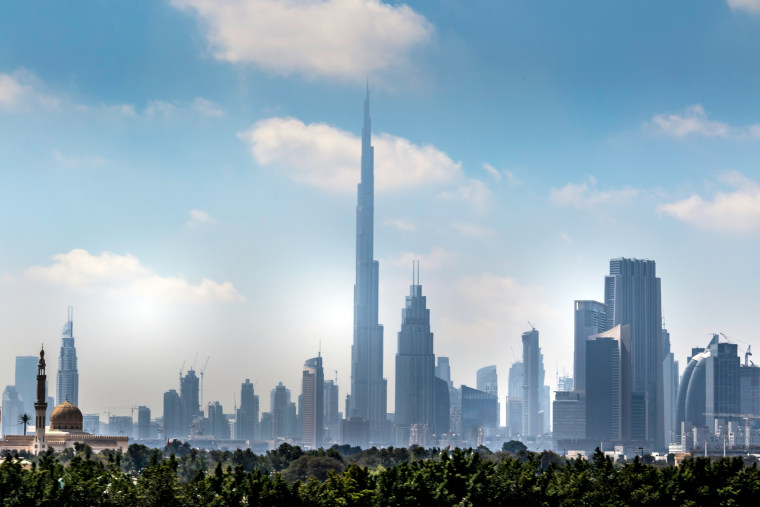 Image source: Nick Fewings / unsplash.com
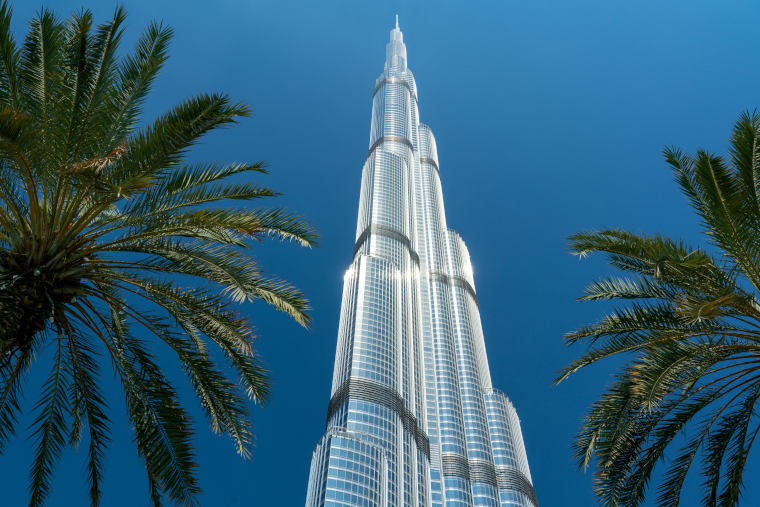 Image source: Nick Fewings / unsplash.com

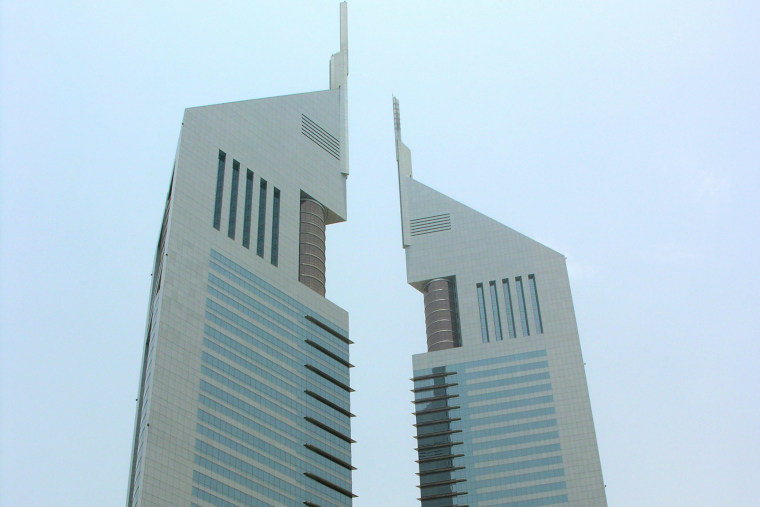 Image source: Saj Shafique / unsplash.com

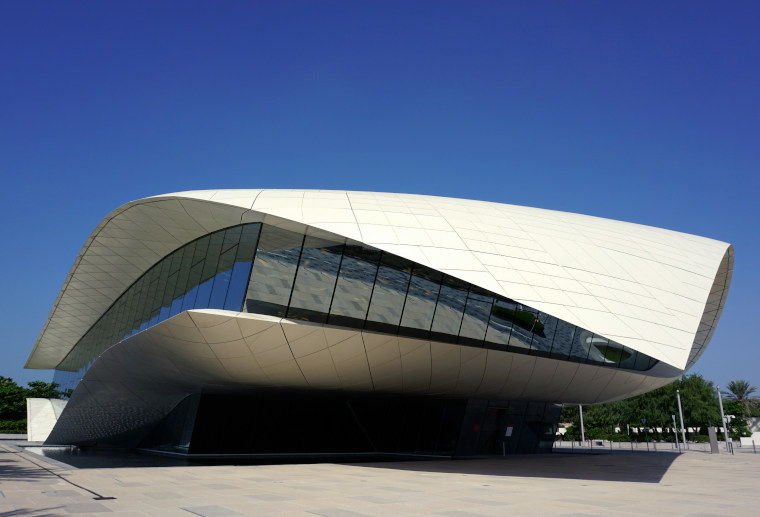 Image source: Saj Shafique / unsplash.com

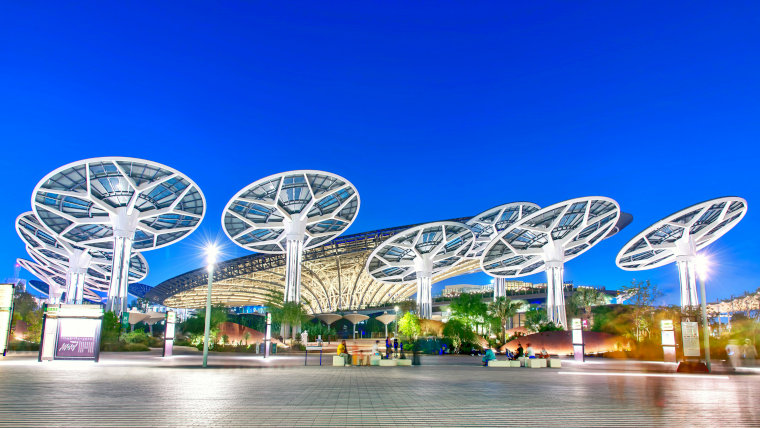 Image source: SHUXIN WU / unsplash.com