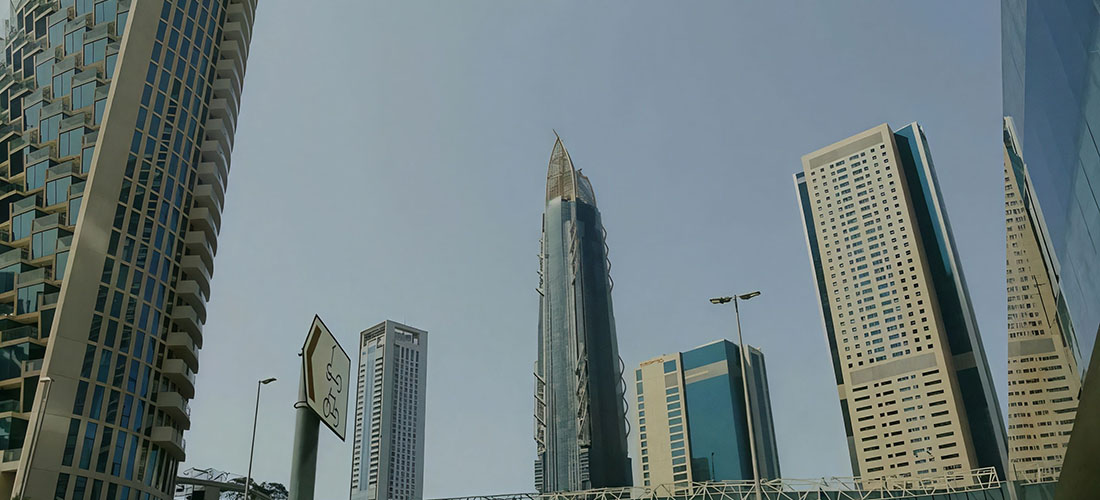
Home/Moving to the UAE/Apartment Renovation in Dubai: What You Need to Know and How to Do It Right
11.11.2026
Moving to the UAE
1308
Reading time: 15 minutes
Apartment Renovation in Dubai: What You Need to Know and How to Do It Right
Save the article:
What is important? Apartment renovation in Dubai has its own specific characteristics — primarily due to the climate, and secondly due to the regulations that govern all construction work in the UAE. It is therefore advisable to familiarise yourself with all the nuances before beginning any renovation work.
What else should you bear in mind? Renovating an apartment in Dubai is not merely a matter of refreshing the interior — it is an opportunity to create a space that meets high expectations, whether that be a stylish studio, a spacious family residence, or a cosy retreat for two. The unique atmosphere of this metropolis inspires bold choices, while simultaneously requiring consideration of local specifics.
Specifics of Renovating Premises in Dubai
Dubai is rightfully regarded as one of the fastest-developing cities on the planet. The city is renowned for its impressive skyscrapers, luxury hotel complexes, and cutting-edge urban infrastructure. Against the backdrop of rapid population growth and the constant expansion of residential and commercial real estate, demand for professional apartment renovation services in Dubai continues to grow steadily.
Image source: Nelemson Guevarra / unsplash.com
It should be noted that there are certain specifics to bear in mind. The approach differs significantly from the standard one, and higher quality requirements apply. Moreover, all operations are carried out under specific conditions and in strict compliance with building codes. Let us look at each of these in more detail.
Climate features
First and foremost, this relates to high temperatures. As a result, special demands are placed on materials: walls and ceilings must cope with temperature fluctuations, whilst floor coverings must be resistant to heat.
Due to the abundance of sand and dust, particular attention is paid to well-designed ventilation and the airtightness of window frames. Elevated humidity levels require the use of moisture-resistant materials for wall and floor finishes. Energy efficiency is equally important: high-quality thermal insulation and modern double-glazed units help significantly reduce air-conditioning costs.
Building permits and regulations
In Dubai, construction and renovation processes are subject to strict oversight. Before work commences, it is necessary to obtain a permit from Dubai Municipality (for major renovation works), to agree on any change of layout, and to comply with DEWA requirements on electricity and water supply as well as the DEWA Green Building Regulations.
In addition, it is prohibited to interfere with load-bearing structures, and compliance with fire safety requirements is a mandatory condition for carrying out any works.
Step-by-Step Guide to Preparing for an Apartment Renovation in Dubai
Form your concept in advance, not as you go along
Before the renovation begins, it is important to gather all your ideas and inspiration for the future interior. You can use platforms such as Pinterest, browse completed projects online, or follow specialised communities on social media.
Accumulating visual references helps you better understand the style and functionality you want, and immediately filters out unnecessary options. Bear in mind that if new ideas arise during the renovation, implementing them will cost more and be more complicated than making changes at the planning stage.
Tailor the layout to your lifestyle
When developing the apartment plan, it is important to take your typical routine and needs into account — regardless of whether you are working with a designer or doing it yourself. For example, if you frequently work from home, it makes sense to set aside a dedicated workspace where you can comfortably spend long hours at your desk.
If you regularly entertain guests, it is worth providing a separate area for socialising and receiving visitors. Your lifestyle directly determines how best to organise the space in the apartment.
Seek professional advice
Basic consultations are often provided free of charge, so it is worth contacting construction or renovation companies. It is better to choose those that operate in the Dubai market rather than in other countries. Local specialists are familiar with all the nuances and potential pitfalls, and can explain the stages of renovation in detail, assess the budget, and answer a wide range of practical questions.
Find a designer
Although it is possible to manage without one, doing so will significantly complicate the renovation process. A designer brings experience and taste, helps generate ideas and select materials, and saves you time. Furthermore, a completed design project offers numerous other advantages, simplifying the execution of the renovation and minimising mistakes.
First and foremost, it provides a clear picture of the future interior of your apartment. It is important not to limit yourself to the overall concept — every detail needs to be thought through, such as the placement and number of sockets in the kitchen.
The second point is that it serves as a comprehensive document for the builders to work from. Trying to explain everything verbally or through rough gestures is simply not feasible, especially when it comes to details and precise locations. The renovation project becomes the foundation upon which the entire implementation process is built.
Find a contractor
Do not choose a contractor at random. Of course, you can find anyone willing to carry out a renovation in Dubai, but it is better to engage a company that speaks your native language — this facilitates communication and reduces the risk of misunderstanding.
Why does this matter? When specialists speak your language it eases communication and comprehension, while relying on translation tools such as Google Translate may lead to misunderstandings, errors in the work, or unexpected additional costs.
If you speak English confidently, communication should not present any problems. The only possible difficulty may relate to differences in outlook and working practices.
Establish a precise plan
The more thoroughly you work out the renovation plan, the more accurate the cost estimate will be. It is important to consider not only the overall concept, but every small detail as well. Specialists recommend setting aside an additional 10% on top of the total sum to cover unforeseen expenses.
When signing a contract, it is important to check carefully the stated completion dates and the terms of the warranty service.
This will help minimise risks and ensure you know in advance what steps to take should any unexpected situations arise.
Organise remote oversight of the renovation
If the renovation is taking place in Dubai and you are in another country — Russia, for example — monitoring the process in person will be difficult. For convenience, group chats can be created and a dedicated project manager appointed, through whom you can track the progress of the works and remain in contact with the team. This approach makes it easy to manage the project remotely.
Types of Renovation You Can Commission in Dubai
In Dubai, you can choose from different types of renovation depending on the condition of the apartment and the goals you have set for the project.
Cosmetic renovation
If you wish to update the interior without any major alterations, a cosmetic renovation is the optimal choice. It is affordable, completed quickly, and typically includes:
Painting ceilings and walls.
Updating or replacing floor coverings.
Minor repairs and the elimination of surface defects.
Installation or replacement of decorative elements such as skirting boards and mouldings.
Replacement of light fittings, sockets, and switches.
A cosmetic renovation does not affect the engineering systems — electricity and plumbing — and does not involve large-scale demolition work.
Major renovation
A major renovation represents a large-scale, comprehensive overhaul of an apartment or house. When commissioning a major renovation in Dubai, one should be prepared for significant changes and a full reconstruction of all interior elements.
A major renovation may be required in the following situations:
The apartment or house is in poor condition and requires complete reconstruction.
A change of layout is needed, including the demolition of existing walls or the construction of new ones.
A full replacement of engineering systems is required: plumbing, electrics, ventilation, and air conditioning.
All internal surfaces need to be updated: walls, floors, and ceilings.
A major renovation begins with a detailed assessment of the condition of the premises. This is followed by the dismantling of old structures, the installation or replacement of utility systems, levelling of walls and floors, installation of new electrical wiring and plumbing fixtures. Work then proceeds to the finishing stage: tiling, ceiling installation, painting of walls, and fitting of new windows and doors.
Turnkey renovation and exclusive design
For those who want an interior that fully reflects their personal style and unique preferences, a turnkey renovation is the ideal solution. This approach encompasses a full scope of work, including:
Bespoke design. Experienced designers develop a project taking all your preferences into account — style, colour palette, functionality, and comfort.
A complete cycle of works. Once the design has been approved, the construction team carries out all stages: procurement of materials, finishing and installation works, as well as the placement of furniture and decorative elements.
Use of premium materials. For exclusive projects, high-quality and rare materials are used, which may be sourced from both local and overseas suppliers.
Turnkey renovation is particularly popular among owners of luxury property in Dubai, where high standards of comfort and unique interior solutions are the norm.
Stages of an Apartment Renovation in Dubai
When commissioning a renovation in Dubai, it is important to understand the key stages that make up the process. Let us examine each step in detail — from project planning to the final handover of the completed property.
Preparation for renovation
The first and one of the most critical stages of a renovation is preparation. Regardless of whether this concerns a cosmetic renovation or a full reconstruction, every detail must be thought through carefully. At this stage, it is important to work with professionals who will help distribute the budget and timelines correctly, as well as plan each phase of the works. The planning process includes several key steps:
Assessment of the condition of the property. Before the renovation begins, specialists inspect the current condition of the apartment and determine what works will need to be carried out.
Development of the project. Interior design is the key preparation stage. Designers develop a renovation plan, taking your wishes and the technical characteristics of the premises into account.
Drawing up a budget. At the planning stage, it is important to calculate the approximate cost of the renovation in advance so as to avoid unexpected expenditure. The calculation includes the cost of materials, labour, and any potential additional services.
Setting deadlines. Specialists will help not only to plan the works but also to calculate realistic completion dates, so that the renovation is finished within an optimal timeframe.
Procurement of materials
The next key stage is the purchase of building materials. Dubai has a large number of suppliers of both local and overseas products, so it is important to select materials carefully in order to ensure the high quality and durability of the finished renovation.
Local suppliers most often offer materials adapted to the region's climate. This is especially important for finishes, as it is essential to use heat-resistant paints, and specialised coatings that are capable of withstanding the heat and high humidity characteristic of Dubai.
Working with local suppliers helps to speed up the delivery of materials and resolve any issues that arise promptly.
Overseas suppliers typically offer a greater variety of premium-class materials that are not available on the local market. For example, rare types of marble, timber, or other finishing materials sourced from Europe and other regions can be used to create an exclusive interior design.
The renovation process
Demolition. In a major renovation, the first step is the removal of old structures, walls, floors, and other elements. This stage may involve a complete or partial change to the layout of the premises.
Finishing works. Once demolition is complete, finishing work begins: tiles are laid, suspended ceilings are installed, floor coverings are fitted, and other works are carried out. All stages must comply with building standards and be carried out using materials suited to the climatic conditions of Dubai.
Electrical installation. Installing wiring, sockets, and lighting fixtures is one of the key stages of a renovation. Particular attention is paid to the correct routing of electrical wiring to ensure safety and compliance with the standards. In the context of Dubai's high humidity and temperatures, this is especially critical.
Ventilation and air-conditioning installation. Dubai's hot and humid climate makes the installation of effective air-conditioning systems essential. This involves not only fitting air-conditioning units, but also organising ventilation systems to ensure proper air circulation throughout the premises.
Handover of the property and quality control
The final stage of the renovation is the handover of the property and inspection of the completed works. Once all construction and finishing processes are complete, specialists carefully assess whether the result meets the project specifications and building standards. At this stage, it is important to verify that all engineering systems are functioning correctly, that materials have been installed to a high standard, and that the interior fully corresponds to the intended design.
Upon completion of the renovation, the client receives a warranty on the works carried out for a specified period, which provides additional confidence in their quality and reliability.
Criteria for Choosing a Contractor for an Apartment Renovation in Dubai
Perhaps the most critical stage when planning an apartment renovation — in Dubai, as in other regions — is choosing a contractor. This matter therefore deserves more detailed consideration. How should you approach this process wisely and avoid mistakes? It is recommended to follow several straightforward yet important guidelines.
Website
A company's website, much like the quality of its work, is its calling card. A great deal can be gleaned from a website — how large the organisation is, what experience it has, who makes up its team of specialists, and so on. If the site looks like a plain business card or appears to have been thrown together carelessly, this is reason to be cautious and verify the information. A website should inspire confidence, be useful, and look professional.
Portfolio
Any company with experience will have a portfolio. If an organisation handles numerous projects simultaneously rather than two or three renovations per year, it will certainly have something to show for it. Companies with something to demonstrate generally do so.
Browse the gallery and examples of completed projects; it is important that there are not just a handful of examples, but a substantial number. Pay attention to examples of kitchen, bedroom, dressing room, and bathroom renovations. If necessary, you can ask the manager to send additional work.
Reviews
Be sure to read reviews of the contractor. In them, clients share their experience — how the renovation went, why they chose that particular company, what services they ordered and what they received, and how satisfied they were with the result.
Image source: fizkes / shutterstock.com
Prices
Do not chase the lowest prices. In Dubai, the cost of renovation can vary considerably, and a cheap option often leads to problems and additional expenses. It is more reliable to work with experienced specialists.
The team
Every company has its own team. In smaller organisations it is compact; in larger ones it is considerably bigger. It may include designers, site managers, workers, procurement specialists, quality controllers, project managers, and other professionals. If the photographs show real employees and real offices rather than obviously stock images, it becomes much easier to entrust the company with your apartment and your money.
Guarantees
Make sure guarantees are provided. You should receive documentary confirmation covering the works carried out and the materials used; a reliable company will have no difficulty providing this.
A company that has doubts about the quality of its own renovation will not offer you a guarantee. An organisation with years of experience in quality work will always provide one without hesitation.
Design project
A reliable company will always develop a design project for you. It understands that this is an effective tool for visualising the final result and for creating a working document that ensures the works on site are carried out with precision.
What finishing materials are used in the renovation? Does the contractor have reliable suppliers and established delivery channels to the site? Do you receive certificates for the materials used? All of these points are important to consider when choosing a renovation company.
Elements of the Dubai Style in Interiors
Of course, you are free to choose any option. Nevertheless, the majority of people choose to take local traditions into account — and they are right to do so. Let us begin by examining the main elements of apartment renovation in Dubai in what is known as the "Dubai style".
Richness of tones
Colour plays a significant role in the atmosphere of an interior, setting the mood and accentuating the style of a space. In contemporary interiors, natural and earthy tones are particularly sought after, as they create a sense of harmony and connection with nature.
Terracotta, ochre, and soft beige shades lend warmth and balance, making them ideal for a relaxing ambience. Rich blues and greens, meanwhile, add elegance and a sense of luxury to an interior.
Richness of textures
Textures are equally important, lending an interior a sense of depth and tactility. Natural materials are particularly popular today: marble, travertine, rough stone, and timber. The combination of hard surfaces with soft textures — such as velvet, silk, or handcrafted textile — creates harmony and visual expressiveness.
For instance, the combination of rough stone walls with velvet sofas or woven rugs brings a space to life and makes it feel more welcoming. This technique helps create a harmonious and natural environment while simultaneously accentuating the refinement of the interior.
Biophilic design
Incorporating natural elements into the interior has become a significant trend in Dubai, combining beauty with practicality. Vertical gardens, green walls, and houseplants not only enhance the space aesthetically but also improve air quality, creating a more comfortable and healthy atmosphere. Large windows fill rooms with natural light, highlighting organic textures: unfinished stone, timber, and soft fabrics in earthy tones.
Smart home
Modern technology is becoming an indispensable part of the interior, enhancing its functionality and convenience. Smart climate-control systems adjust automatically to weather conditions, maintaining a comfortable microclimate. Intelligent lighting allows for the adjustment of brightness and light tones, creating the right atmosphere for different situations.
Voice assistants simplify the management of processes — from opening blinds to operating household appliances. In the kitchen, innovations such as touchless taps and refrigerators with stock monitoring make everyday tasks easier. In addition, systems with biometric access and real-time monitoring are used for security purposes.
Environmental friendliness
Contemporary luxury interiors in Dubai are placing increasing emphasis on environmental friendliness. Designers use natural and recycled materials — bamboo, reclaimed timber, and metals — to create stylish furniture and decorative elements.
The use of handcrafted items and locally sourced materials reduces the environmental footprint, whilst green certifications are becoming a symbol of prestige in premium projects.
Image source: Usman Mehmood / unsplash.com
Cultural synthesis
The cosmopolitan spirit of Dubai is vividly reflected in its interiors, where Eastern traditions and contemporary global trends are brought together. Mashrabiya elements and geometric motifs receive a modern interpretation through the use of glass and steel.
Textiles, such as Persian rugs, and Moroccan lanterns bring vibrancy and texture to a space. Their rich tones and patterns create a striking contrast with restrained contemporary materials such as concrete, marble, and polished metals.
Other interior styles are also popular in Dubai. Below are the most sought-after:
Arabic style
Arabic style draws inspiration from Islamic art and the architecture of the Middle East. It is characterised by symmetrical geometric patterns on floors, decorative mashrabiya screens, a rich colour palette, and the use of luxurious materials. Particular attention is paid to striking lighting effects achieved through lanterns, pendant lights, and chandeliers.
Minimalism
In Dubai interiors, "quiet luxury" is gaining ever-greater significance — a minimalist style in which restraint and enduring quality take precedence over lavish opulence.
This style is characterised by open-plan layouts, understated neutral tones, and high-quality bespoke furniture devoid of unnecessary ornamentation. Homeowners choose a minimal number of decorative elements, but each one is meaningful — often telling a personal story or showcasing the craftsmanship of local artisans. Cosiness is achieved through texture: linen curtains, oak floors, or hand-thrown ceramics.
Interiors in this style may combine austere materials that are unusual for residential spaces — metal, reinforced concrete, glass, and plastic.
Such interiors are characterised by calm, neutral colour schemes and innovative lighting, including recessed fixtures and LED panels. This style demands careful upkeep: each material requires regular maintenance, otherwise the interior will quickly lose its original appeal.
Industrial
This style combines simplicity and purity of form in the interior. It is characterised by industrial details and furniture made from concrete, iron, or steel; an open-plan layout in which the living room, dining area, and kitchen are combined improves circulation and eliminates unnecessary partitions; large windows emphasise the contemporary nature of the space by allowing in more natural light and air.
Bold tones are frequently used as accents — red, yellow, blue, black, and white work well for furniture, paintings, or rugs.
Common Mistakes in Apartment Renovation in Dubai
In our experience, the same mistakes tend to be made repeatedly in apartment renovations in Dubai. We have gathered all the most common pitfalls in one place — here they are:
Trying to follow fleeting trends
While it is pleasant to hear guests say: "What a stylish interior — everything looks so on-trend!", but what is popular today may be outdated tomorrow. In the future, this will require additional expenditure, time, and changes. To prolong the relevance of the renovation in your Dubai home, it is better to opt for timeless solutions that will remain stylish even in ten years' time.
Image source: New Africa / shutterstock.com
Forgoing the services of a designer
Why would you need one if you already have ideas and know exactly what you want? And why pay more? Here is precisely why. A designer will offer valuable advice on the layout of the space taking your habits, lifestyle, and preferences into account, will assist with the selection of forms, colours, and materials, and — most importantly — will create a comprehensive renovation project that both you and the builders will be able to work from.
Searching for several specialist contractors independently
Bear in mind that instead of working with a single company, you will need to oversee the entire process yourself, coordinate the efforts of different specialists, and independently assess their qualifications — determining, for example, who is better at laying tiles and who does a better job of levelling walls.
All of this will need to be done remotely, given that the renovation is taking place in Dubai. This is quite a complex undertaking.
Skimping on materials
Saving money is, of course, a good thing, and keeping an eye on the budget matters. But after the initial satisfaction of a low price, there often comes a moment when you move into the apartment or villa and begin living there. Along with that can come disappointment in the quality of the renovation and a feeling that the money spent was not sufficiently well justified.
Poor space planning
As a result, the reality may not match your expectations and lifestyle. Do you frequently entertain guests? Then it is important to provide space for socialising and receiving visitors. Do you work remotely from home? Set up a comfortable workspace, incorporating it harmoniously into the interior, so that you do not find yourself returning to renovation work six months later.
Failing to vet the contractor
For example, when someone describes their company, they show completed projects, their portfolio and the team, and offer a test drive — a free consultation with their experts. What is the purpose of all this? So that the client can be confident they are heading in the right direction and can trust the contractor.
Failing to evaluate the contractor from all angles carries the risk of encountering problems and disappointment.
Ignoring the details
Imagine you can see the overall picture and you like it — the living room flows seamlessly into the kitchen, a dining area appears opposite the window, and over there you can place a green sofa with a floor lamp beside it. But when you begin to look at the details, a whole host of questions arise that need answers: where to position the sockets and how many are needed, whether there will be enough storage and worktop space in the kitchen, how to set up a workspace that is quiet and free from disturbance, and so on.
Rushing the process
There may be a desire to complete the work in a month, even though it typically takes three. Nevertheless, it is important to be patient and to remember that each stage of the renovation has its own established timeframes and standards.
Making drastic changes once the renovation has already started
Preparation is, above all, preparation. Think through every step in advance. If you decide to make adjustments to the project before work begins, it will be cheaper and simpler to do so. Any changes made once the renovation is under way, however, will always prove more complex and more costly.
Frequently Asked Questions about Apartment Renovation in Dubai
What is the estimated cost of an apartment renovation in Dubai?
The cost of a renovation is influenced by several factors: the quality of the materials used, the complexity of the works, and the urgency of completion. In Dubai, prices vary depending on the level of finish: economy class — 200–400 AED per sq m; standard — 400–800 AED per sq m; premium — from 800 to 1,500+ AED per sq m.
How can you reduce the cost of an apartment renovation in Dubai?
For apartment renovations in Dubai, purchase materials in bulk. Where possible, plan works outside the peak construction season — from October to March — to avoid delays and elevated prices.
Worth noting are Al Naboodah Construction, a major contractor with experience in luxury-class renovation; Depa Interiors, which specialises in commercial projects; and Apex Emirates, which carries out renovations of apartments and villas.
Where can you order the necessary materials for an apartment renovation in Dubai?
There are several options worth considering: Dragon Mart for budget-friendly materials; ACE Hardware for the mid-price segment; and Index Dubai with a range of premium brands.
What are the current trends in apartment renovation in Dubai?
First and foremost, the smart home with Wi-Fi-based automation. Secondly, eco-design, incorporating solar panels and recycled materials. And finally, minimalism with well-thought-out concealed storage systems and a calm, neutral colour palette.
Apartment renovation in Dubai requires careful planning and adherence to local regulations. If you choose a reliable contractor, use quality materials, and monitor the progress of the works, the result will be of a high standard and will last for many years to come.
Mortgages in Dubai are available to foreign citizens, which is why many consider purchasing residential property in one of the world's wealthiest cities.
How to get to the old city in Dubai? Where Old Dubai is located. What to see in Old Dubai? Markets and bazaars of the old city. Practical tips for visiting. Frequently asked questions.
Characteristics of Dubai cuisine. Origins of Dubai cuisine. Top 12 dishes of Dubai cuisine. How to choose a restaurant in Dubai. Frequently asked questions about Dubai cuisine.
Taxes in Dubai are among the lowest in the world. In some cases, individuals and businesses don't pay them at all, while in others, they pay no more than 9% on profits, which is significantly lower th...
What a UAE residency visa is and why you need it. Drawbacks of a UAE residency visa: what to know before relocating. Ways to obtain a UAE residency visa. How to apply for a UAE residency visa: a step-...
Types of work visas in the UAE and Dubai. How to find work in Dubai? The process of obtaining a work visa in Dubai. Frequently asked questions about work visas in Dubai.
Alcohol consumption rules in Sharjah. Bringing alcohol into Sharjah. Buying alcohol in neighbouring emirates. Fines and penalties for breaking alcohol rules. Alcohol in other UAE emirates: a compariso...


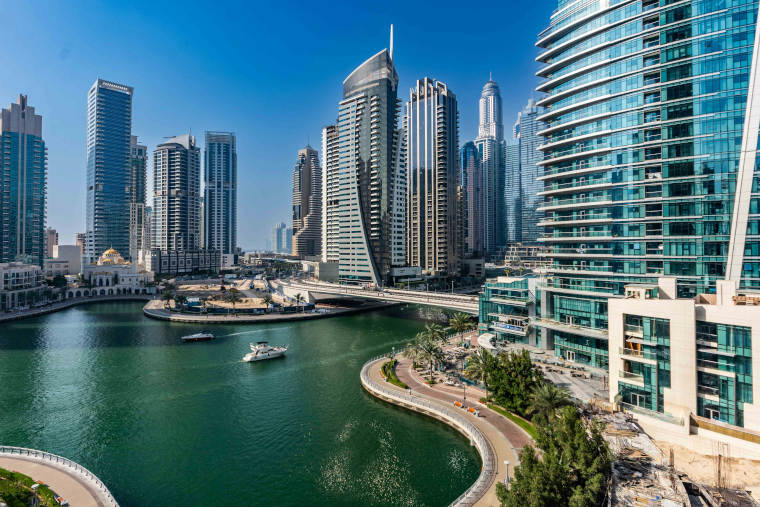 Image source: Nelemson Guevarra / unsplash.com

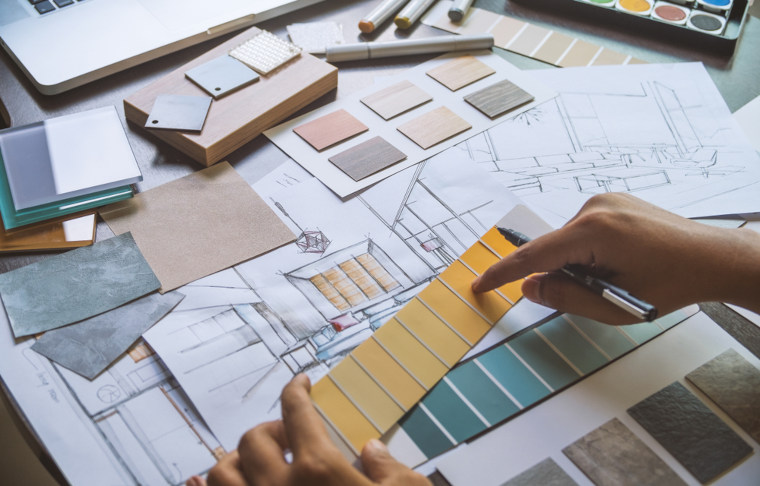 Image source: Chaosamran_Studio / shutterstock.com


 Image source: fizkes / shutterstock.com

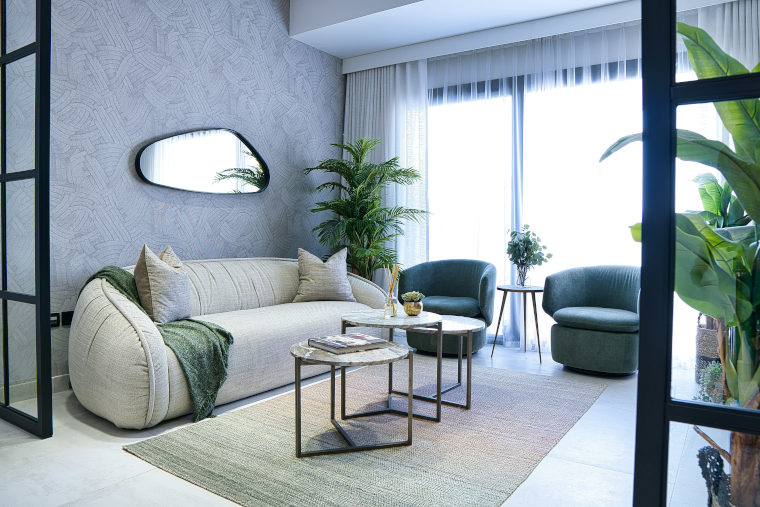 Image source: Usman Mehmood / unsplash.com

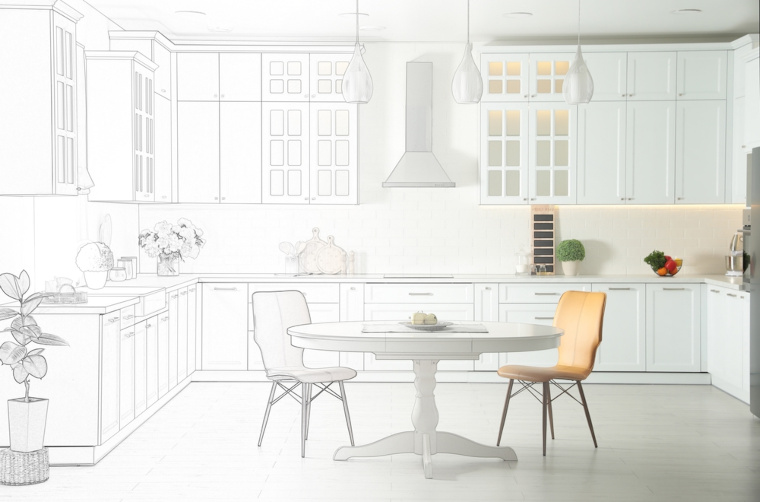 Image source: New Africa / shutterstock.com