Home/Middle East/Ghost Town in Cyprus: The History of Varosha in Famagusta
06.11.2026
Middle East
878
Reading time: 14 minutes
Ghost Town in Cyprus: The History of Varosha in Famagusta
Save the article:
What is it about? The ghost town in Cyprus is Varosha, a district of Famagusta in Northern Cyprus. Until 1974, it was a bustling fashionable resort; after the island was divided, the residents left and never returned. Today, part of the district is open to visitors.
Who will find this article useful? Tourists who want to make a day trip to Varosha, photographers, and those interested in history. The article covers everything: the district’s past, the route, documents and rules.
Varosha, the Ghost Town in Cyprus
Varosha is not a separate town but the southern quarter of Famagusta. It was once home to one of the most famous resorts in the Mediterranean. Today, the area is known as Cyprus’s abandoned town. The confusion arises from its several names and the district’s special status.
The location of Varosha on the map of Northern Cyprus
The quarter lies on the east coast of the island, not far from the town centre. The area is part of the zone controlled by the authorities of the Turkish Republic of Northern Cyprus. The border with the Greek part of the island runs a few kilometres away. The silhouettes of the empty high-rises along the sea are clearly visible from the beaches of Protaras.
Image source: Datingjungle / unsplash.com
An old fortress and the town’s port are located nearby. A walk around the district can be combined with a visit to Famagusta’s historic monuments.
Varosha and Famagusta: making sense of the names
The quarter’s name comes from Turkish and means “suburb”, hence the different wording in searches: “Famagusta ghost town” or "Varosha ghost town"; both refer to the same place — the resort part of Famagusta.
Why Varosha is called a ghost town
For almost half a century, the district stood empty behind a fence. Neither local residents nor visitors could enter the area. High-rise hotels without windows, roads overgrown with grass, silence instead of the noise of the beach. This sight struck everyone who looked at the area from the sea.
Photos of the empty hotels spread through the world press. That is how the district came to be known as the “ghost town” — a name it still retains, despite its partial reopening.
How a Celebrity Resort Became an Abandoned Town: The History of Varosha
The area’s history is closely tied to the fate of Famagusta as a whole. First, a settlement appeared there by the fortress walls. Later, it developed into a premier resort area. After the events of 1974, the territory became a closed zone.
How Varosha came about: from medieval Famagusta to British Cyprus
Famagusta is an ancient town with a rich history. In the Middle Ages, it became one of the main trading ports of the eastern Mediterranean. The island changed rulers more than once. It was conquered by the English king Richard the Lionheart. Later, Famagusta was held by the Republic of Genoa and then by the Venetians.
In 1570–1571, the army of the Ottoman Empire besieged and captured the town. Christians were forbidden to live inside the fortress walls; the local Greeks were forced to settle outside. That is how a new suburb appeared next to the fortress.
From the end of the nineteenth century, Cyprus was administered by Great Britain. After the outbreak of the First World War, the island became part of the British Empire. The British period lasted until the middle of the last century.
Varosha in the 1960s and early 1970s: a resort frequented by celebrities
In 1960, Cyprus became an independent state. Soon, extensive development of the district began. A large number of modern hotels were built along the wide beach. Restaurants, bars, nightclubs, shops and villas opened nearby.
Famagusta quickly became the country’s largest tourist centre, welcoming holidaymakers from all over Europe. According to accounts, the area was visited by Brigitte Bardot, Elizabeth Taylor, Richard Burton and Raquel Welch. A beach with fine sand and a clean sea made this part of the town one of the most popular holiday destinations in the Mediterranean.
Summer 1974: residents left for a few days and never returned
In the summer of 1974, a political coup took place in the country. On 20 July, the Turkish army invaded Cyprus. In August of the same year, Turkish troops occupied Famagusta.
Most of the quarter’s population were Greek Cypriots. Several tens of thousands of people lived there. The local residents left in a hurry, taking only the bare essentials. They hoped to return to their homes soon. However, none of them was ever able to do so.
The island was divided into Greek and Turkish parts. Turkish Cypriots remained primarily in the north, while Greek Cypriots were in the south. The border between them ran close to the deserted district.
Decades behind barbed wire
The Turkish military declared the town a closed zone. The district was surrounded by a fence and barbed wire. No one could enter the area: neither the former homeowners nor journalists. The quarter was guarded by soldiers.
The abandoned houses and shops were soon looted. That is why stories about shop windows displaying 1974 clothing are a myth. Without repairs, the buildings began to crumble. Trees grew through the asphalt, and nature reclaimed the area step by step.
The writer Alan Weisman described the quarter in his book The World Without Us. He cited it as an example of a place where human life stopped in an instant. Many authors compare the district with Pripyat in Ukraine.
The main events in the quarter’s history can be conveniently summarised in a single timeline.
Period
Event
1570–1571
The Ottoman army captured Famagusta, and a suburb grew up outside the fortress walls
Late 19th century – mid-20th century
Cyprus under British administration
1960
Cyprus became an independent state
1960s – early 1970s
The heyday of the resort, visits by international celebrities
July 1974
Political coup, landing of Turkish troops
August 1974
The Turkish army occupied Famagusta, and local residents left their homes
1984
The UN Security Council adopted Resolution 550
2020
The authorities of Northern Cyprus made part of the area accessible to visitors
For almost half a century, the district remained closed to visitors. Today, part of the area is accessible, but the appearance of the quarter has changed considerably.
Varosha after Reopening: What to See in the Abandoned Town Today
The open part of the district is neither a museum nor a wasteland behind a fence. Some blocks have been cleared and landscaped, while others still stand behind barriers. It is this contrast that gives the place its atmosphere. Visitors can see both new paths and houses where life stopped in 1974.
How Varosha was opened to visitors
In 2020, the authorities of the Turkish Republic of Northern Cyprus made part of the area accessible to visitors. In 2021, an expansion of the open zone was announced. Rubble was cleared from the main streets,pathways were laid, and street lamps and benches were installed; areas for relaxation were created, and bicycle hire points were set up.
The decision of the Northern Cyprus authorities sparked controversy. The UN and the Republic of Cyprus opposed any change to the district’s status. They insist that it is the former homeowners who should return there. The issue remains unresolved to this day.
The main streets, hotels and the famous car showroom
The main street runs along the seafront. On one side stand abandoned high-rise hotels with empty window openings; these were once among the most popular hotels on the island. On the other side, there is a view of the wide beach and clear sea.
Image source: Steffen Lemmerzahl / unsplash.com
A former shopping street runs parallel to it: the façades of shops, cafés, bars and nightclubs have survived there. Faded 1970s signs can still be seen on some buildings.
The district’s most famous sight is the car showroom. For years, new 1974 cars stood behind its glass windows. Photographs of these cars spread through the world press and became a symbol of the ghost town.
Varosha’s beaches: is swimming allowed
The open area has beaches with fine golden sand; the sea shelves gently, and the water is clean and clear. Swimming is only allowed where the beach is open to visitors; sections near the barriers or abandoned buildings are closed off.
There is little shade along the shore, and the sun is very intense in the summer. Bring water, a hat, and suncream. It is more comfortable to swim in the morning, before the heat builds up.
Safety and photography rules
Most restrictions relate to the condition of the buildings and to military sites. The rules apply throughout the open area of the district.
Important! Many buildings in Varosha are in a dilapidated state. Entering them is prohibited due to the risk of collapse.
The other rules concern your route and use of the camera:
stick to the open paths;
do not cross barriers or enter restricted areas;
do not point your camera at military posts or soldiers;
discuss drone flights with the guards on site;
do not take anything away from the area, not even small items.
Streets, hotel façades and the beach can be photographed without restriction. If new signs with prohibitions have appeared on site, follow them.
Image source: Steffen Lemmerzahl / unsplash.com
What to see in Famagusta near Varosha
A visit to the ghost town can be combined with a walk around Famagusta’s Old Town. It is located a few kilometres away, within the Venetian-era fortifications. The most interesting historic monuments of the region are:
the fortress walls and the castle with Othello’s Tower;
St Nicholas Cathedral, now the Lala Mustafa Pasha Mosque;
the Church of St Peter and St Paul;
the ruins of St George’s Church.
Allow two to three hours for a walk around the Old Town; its narrow streets have cafés serving traditional cuisine, where you can relax after a hot day.
How to Get to the Ghost Town of Varosha from the South and North of Cyprus
A trip to Varosha fits into one day. Visitors staying in the south of the island will have to cross the UN Buffer Zone. Getting there from the north is easier, as there is no border on the way.
Border crossing points: what documents are required
Several checkpoints lead from the south to the north of the island. The ones nearest to Famagusta are in the Deryneia and Strovilia areas. You can drive through them, and at Deryneia you can also cross on foot.
To cross the border, you need a passport. EU citizens may use an ID card. Requirements depend on nationality, so be sure to check the official information before you set off.
Turkish lira are needed for small purchases, as cards aren’t accepted everywhere in the North. Roaming there may cost more than usual, so it is better to download a map of the area before you set off.
By car from the south of Cyprus: hire and insurance
Not all car hire companies allow you to drive to Northern Cyprus. Insurance from the southern part of the island is usually not valid in the North. A separate policy is taken out right at the checkpoint, and without it you will not be able to drive through.
Important! Before setting off, check with the hire company whether you are allowed to drive to Northern Cyprus. Otherwise, in the event of an accident, the costs may fall on the driver.
How to get there from Northern Cyprus and from the airports
Buses to Famagusta run from Nicosia and other towns in Northern Cyprus. From the bus station, it is convenient to take a taxi to the open part of Varosha. You can also get there in a hire car: traffic drives on the left throughout the island.
The nearest airports are Larnaca in the south and Ercan in the north. From either one, it takes about an hour to reach Famagusta. If you arrive via Larnaca, you will need to cross a border; if you arrive via Ercan, you will not.
Opening times and the best time to visit
Varosha is open to visitors during the day. Opening hours change, so be sure to check them before you set off. The area can be explored on foot or by bicycle, which you can hire on site. It is worth allowing half a day for the visit.
The best time to travel is spring or autumn. In summer it is very hot there, and there is almost no shade. It is better to arrive in the morning when the air is fresher and there are fewer people.
An independent visit vs a tour
The format is chosen according to your budget and willingness to deal with paperwork. Each option has its own advantages. The difference can be seen across six criteria.
Criterion
Independently
On a tour
Route
Flexible: you choose the timing and stops yourself
Set by the organiser
Border
You arrange the documents and insurance yourself
The guide will explain the procedure
Transport
Your own car, or a bus plus a taxi
Transfers are usually included in the tour
History of the district
From guidebooks and articles
From the guide, who will answer your questions
Cost
Cheaper
More expensive
Who it suits
Experienced travellers
Those visiting the North for the first time
Visiting independently is ideal for those who value freedom and want to save money. A tour spares you the hassle on the border and gives you more information about the history of the place.
The Fate of Varosha: Who Owns the Ghost Town and Will It be Resettled
The residents have not returned because the Cyprus problem remains unresolved. A 1984 UN resolution permits only the former residents to resettle Varosha. In 2004, a plan to reunify the island, the Annan Plan, was put to a referendum. Turkish Cypriots supported it, while Greek Cypriots rejected it.
Who owns the houses and can you buy property in Varosha
The former owners and their heirs lay claim to the property. Buying property there involves serious legal risks. Always have any transaction in Northern Cyprus checked by a lawyer.
Will Varosha be restored? Everything depends on the resolution of the Cyprus problem. The two sides do not yet have a common plan.
Conclusion
Varosha has gone from a suburb by the fortress walls to a celebrity resort and eventually a restricted zone. For almost half a century, the district stood empty behind barbed wire. Today, part of the area is open, and tourists are once again walking its streets.
A trip to the ghost town in Cyprus fits into one day. Tourists from Southern Cyprus should check the documents needed for the checkpoint in advance. If you are driving a hire car, check the conditions for crossing to the North and arrange insurance. Getting there from Northern Cyprus is easier, as there are buses that run to Famagusta.
Simple rules apply inside the open zone. Do not enter dangerous buildings or go beyond the barriers, and do not photograph military sites. A walk around Varosha can conveniently be combined with a visit to Famagusta’s Old Town.
The future of the district still depends on the resolution of the Cyprus problem. For many Greek Cypriots, Varosha is not a tourist attraction but a lost home. That is why visits should be approached with care and respect.
Frequently Asked Questions
Does the trip affect a residence permit in the Republic of Cyprus?
There is no single answer that covers all cases. The rules depend on your status and nationality. Check them with official sources in the Republic of Cyprus or with a lawyer before you travel.
How do Greek Cypriots feel about these trips?
For former residents and their families, it is a painful subject. Many still hope to return to their homes. Tourists should behave with restraint and not turn the visit into entertainment.
Is it true that everything has remained as it was in 1974?
No. The buildings were looted in the first years after the closure, while time and the elements have since caused them to fall into ruin. There are no goods left in the shops, nor any furniture in the hotels. The look of the 1970s resort can be recognised in the architecture of the high-rises and the main streets.
What is the best place to stay?
Famagusta has hotels and self-catering flats of various standards, including in the Old Town. From there, it is convenient to take a taxi to Varosha. Room prices depend on the season.
Passports are not usually stamped at the crossing; your details are entered into an electronic system. The procedure may change, so be sure to check it before you travel.
Can you take photos in Varosha?
You can photograph the streets, façades and beaches. Photographing military sites and posts is prohibited. Get permission for drone filming on site.
How much time do you need for a visit to Varosha?
Half a day is enough for the district itself. If you add a walk around Famagusta’s Old Town, allow a whole day for the trip.
Can you visit Varosha with children?
Yes, but you will need to keep a closer eye on the children. There are many dangerous buildings in the district, and it is very hot in summer. Take water and hats, and plan your walk for the morning.
History of Dubai Internet City. Main attractions of Dubai Internet City. Aspects of Living in Dubai Internet City. Infrastructure of Dubai Internet City. Business amenities in Dubai Internet City. Fre...
Where is Dubai located? History and development of Dubai. Culture and architecture of Dubai. Districts of Dubai. Frequently asked questions about the location of Dubai.
Where Ajman is located. Ajman's infrastructure. What to see and do in Ajman. Where to eat and what to try in Ajman. Ajman's economy. 3 reasons to invest in Ajman. Best areas of Ajman. Well-known prope...
How schools are structured in Abu Dhabi. Public and private schools in Abu Dhabi. Enrolling in a school in Abu Dhabi. Top international schools in Abu Dhabi. Schools in Abu Dhabi with an intensive foc...
Why you need a local SIM card in Dubai. Is the free SIM card in Dubai worth using? Differences between a regular SIM card and an eSIM. Choosing a mobile operator for an eSIM in Dubai. Frequently asked...
Specifics of working in Abu Dhabi. Popular industries in Abu Dhabi. Places to search for jobs in Abu Dhabi. Obtaining a work visa in Abu Dhabi. Salary range in Abu Dhabi. Frequently asked questions ab...
Natural features of Saudi Arabia: geography and terrain. Climate and nature of Saudi Arabia by region. Natural resources of Saudi Arabia and their use. Natural landmarks of Saudi Arabia and tourist lo...


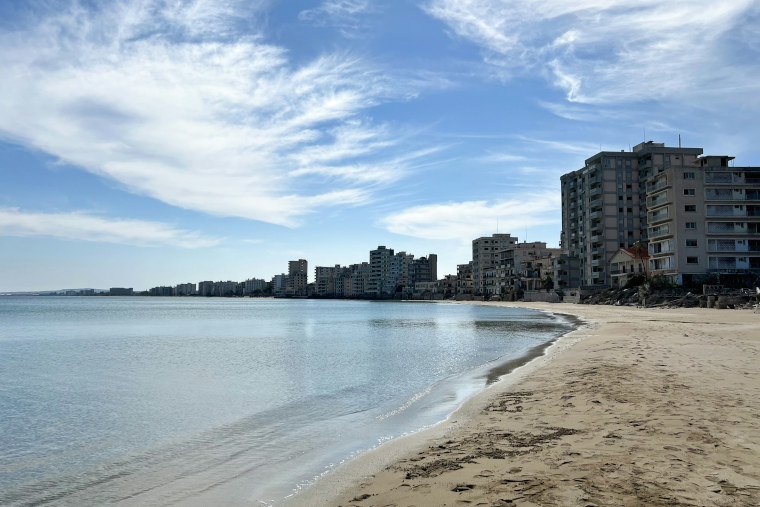 Image source: Datingjungle / unsplash.com

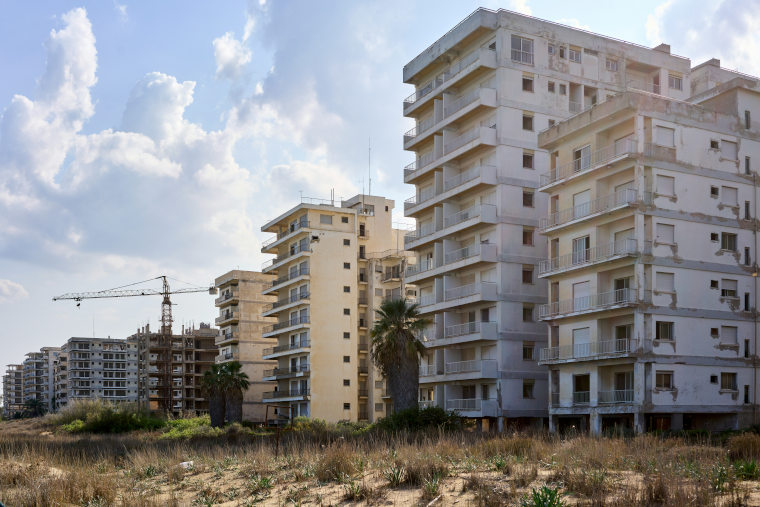 Image source: Steffen Lemmerzahl / unsplash.com
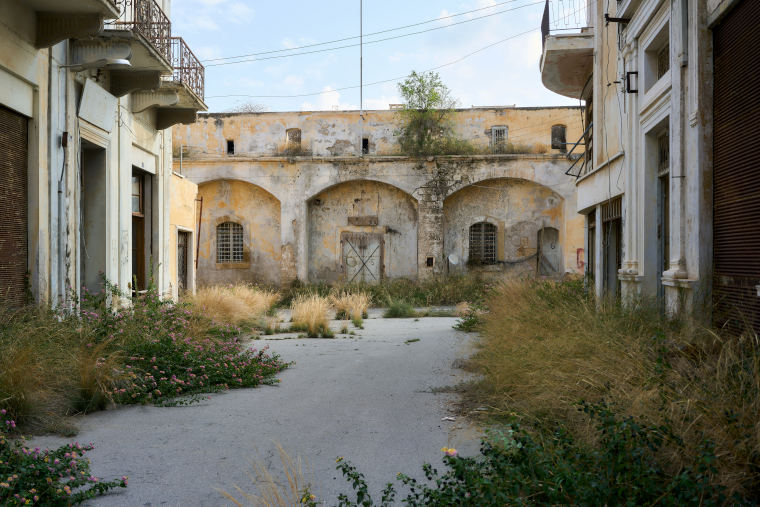 Image source: Steffen Lemmerzahl / unsplash.com