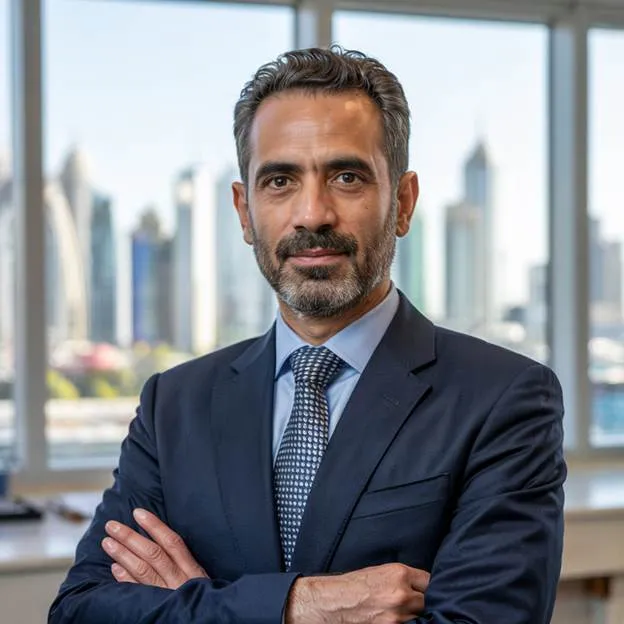
Free Zone Dubai: How to Choose a Free Zone for Business in the UAE
Save the article:
What problem have you run into when choosing a business registration format in the UAE? Most first-time entrepreneurs get lost among terms such as “free zone Dubai”, “mainland” and “offshore”, unsure which one they actually need for their niche.
A free zone (a special economic zone) is a territory with a special legal status where a foreign national can own a company one hundred per cent without a local partner, pay minimal taxes and complete the paperwork quickly. This format suits both a small online shop and a large financial structure, but the conditions differ considerably: capital requirements, licence costs, visa quotas and permitted activities all depend on the specific Dubai free zone you choose.
How will this article help you make a decision? Below, we explain how to choose a zone for a specific task — from simple company registration for consulting to the more complex requirements of DIFC and DMCC for the financial sector; we also look at the nuances of Dubai Internet City, Dubai Media City, DAFZA and Jebel Ali for IT, media and logistics.
We cover real costs, processing times and the common mistakes that prove expensive. After reading, you will have a clear understanding of which zone for doing business in the UAE suits you best, and you will be able to move forward without unnecessary risks or overpaying.
What a Free Economic Zone in Dubai Is
Put simply, a free economic zone is a separate territory within Dubai with its own regulator, its own business registration rules and simplified administrative procedures.
The image was generated using AI technologies
It is precisely the question “what is a free zone in Dubai” that first-time entrepreneurs search for most often: in essence, it is a ring-fenced jurisdiction where a foreign investor gains the right to own a company 100%, without a mandatory local partner (something the mainland format required until recent reforms).
The idea of free economic zones emerged in the UAE back in the late 1980s, when the authorities were looking for a way to attract foreign capital and diversify an economy built on oil. The first major zone was Jebel Ali Free Zone, established next to the port to develop trade and logistics.
The format proved successful, and the authorities went on to open new free economic zones tailored to specific industries — gradually building a system in which several dozen free zones now operate in Dubai, each with its own specialisation (technology, media, finance, trade, logistics, healthcare and other sectors).
The key feature of any free zone is that it is a separate jurisdiction with its own set of rules, often based on English law rather than the local civil code.
Companies in a free zone are exempt from import and export duties when trading within the zone or for export, can freely repatriate profits and capital abroad without currency restrictions, and can complete registration within a matter of days thanks to the regulator's electronic services.
Free economic zone vs mainland: key differences
A mainland company is one registered directly with the Dubai Department of Economic Development and operating under the emirate's general laws without territorial restrictions. The difference from a free zone shows up across several criteria:
Ownership. In a free zone, a foreign national receives 100% of the shares immediately; on the mainland, full foreign ownership has also been permitted for most activities since 2026, though some sectors still require a local partner or agent.
Market access. A free zone is geared towards export and operating within the zone, and direct sales on the UAE market require a distributor or a separate licence, whereas the mainland gives direct access to local customers and government contracts.
Taxation. The corporate tax rate is 9% for both formats, but qualifying free zone companies (QFZPs) can apply a zero rate, provided the conditions relating to types of income are met.
Substance and residency. To qualify for the benefits, the regulator checks the company's actual presence — an office, staff, as well as the fact that management decisions are made directly within the UAE.
Cost and timeframes. Registering in a free zone is usually cheaper and faster, while the mainland requires more documents and approvals.
The conclusion is simple: a free zone suits export, consulting and online business, while the mainland suits those targeting the local market and government contracts.
Advantages and limitations of registering in a free zone
Among the clear advantages are full foreign ownership of the company without intermediaries, duty benefits, no currency restrictions, fast-tracked registration and the ability to obtain a residency visa for yourself and your staff. Many zones offer ready-made infrastructure — offices, warehouses, co-working spaces — which reduces start-up costs for investors.
But there are limitations that need to be stated honestly upfront. A free zone company cannot trade directly on the UAE market without engaging a distributor or obtaining a separate mainland licence. The licence is tightly tied to the stated activities, and expanding the business sometimes requires it to be revised. In a number of zones, physically leasing an office is mandatory even with a small headcount, which increases the annual cost of doing business.
Overview of Dubai's Key Free Economic Zones
There are around thirty free economic zones registered in Dubai, each with its own focus: logistics, finance, technology, trade in goods or media production. This specialisation is not a formality but a way of building the right infrastructure, an appropriate regulator and a set of licences tailored to a particular industry's actual needs.
Logistics and trade have historically been concentrated in JAFZA and DAFZA; IT and creative industries gravitate towards Dubai Internet City and Dubai Media City; the financial sector chooses DIFC with its separate legal system; traders, investors and crypto companies look towards DMCC and the newer Meydan Free Zone.
Below, we look at each zone in more detail, focusing on which activities it permits, who it suits and what to look out for when choosing.
Jebel Ali Free Zone (JAFZA): logistics and trade
Jebel Ali Free Zone, or JAFZA, is one of the oldest and largest free zones in the UAE, established back in the late 1980s next to the port of the same name, which today ranks among the largest ports in the world.
The image was generated using AI technologies
JAFZA specialises in logistics, manufacturing, re-export and wholesale trade: proximity to the port and to Dubai International Airport allows companies to organise complex supply chains without unnecessary intermediaries.
Jebel Ali Free Zone has ready-made warehouse complexes, industrial plots and office premises, so its residents are often large international corporations, manufacturing enterprises and wholesale distributors handling goods in bulk.
Licensing in Jebel Ali Free Zone starts, on average, at USD 15,000–20,000 a year, depending on the type of activity and the size of the office or warehouse; the registration process usually takes one to three weeks. JAFZA suits those planning physical operations with goods — import, export, storage, assembly or small-scale manufacturing — rather than simply a virtual office for consulting.
DAFZA: an aviation and logistics hub
Dubai Airport Free Zone, or DAFZA, is located literally within the boundaries of Dubai International Airport and was created specifically for companies whose business depends on the speed of cargo delivery. DAFZA provides direct access to one of the busiest cargo hubs on the planet, which is critical for airlines, distributors and import-export companies handling goods that require fast logistics — from electronics to pharmaceuticals.
The modern infrastructure of Dubai Airport Free Zone includes customs terminals, temperature-controlled warehouses and digital cargo-tracking systems, which noticeably speeds up the passage of goods through the border.
DAFZA suits companies whose logistics chains are built specifically around air freight: trading firms, distributors of premium and perishable goods, and aviation service companies.
Licence registration costs start at an average of USD 20,000 a year, and processing takes one to two weeks with a complete set of documents. If your business relies on the speed of import and export, this zone is a logical choice.
Dubai Internet City and Dubai Media City: IT and media
Dubai Internet City was originally conceived as a hub for technology companies, and today it is home to both global IT giants and small start-ups developing software, apps and digital products.
Nearby is Dubai Media City — a zone for media companies, advertising agencies, production studios and freelancers creating content. Both zones offer flexible licence formats, from a freelancer permit for sole practitioners to full corporate licences for teams comprising dozens of employees.
The infrastructure here is geared towards the digital economy: co-working spaces, flexible office packages, business events and an active resident community, which makes networking and finding partners easier. Dubai Internet City and Dubai Media City are an excellent fit for developers, digital marketers, designers, content creators and small agencies for whom reputation and access to an international pool of talent matter.
Licence costs start at roughly USD 10,000–12,000 a year, and processing usually takes five to ten working days.
DIFC (Dubai International Financial Centre): finance
Dubai International Financial Centre, known as DIFC, is the region's leading financial hub, with its own judicial system built on the principles of English common law rather than local civil law.
The image was generated using AI technologies
This independent legal framework makes the zone attractive to banks, investment funds, fintech companies, insurers, and legal and consulting firms for whom predictability and investment protection at an international level matter. The regulator is the DFSA — the Dubai Financial Services Authority — which sets strict requirements for capital, compliance and the reputation of founders.
DIFC is not a zone for registering a small consulting business purely to obtain a visa: the minimum capital for many financial licences starts at several hundred thousand dollars, and the due diligence process can take months.
Dubai International Financial Centre suits serious players — management companies, brokers and fintech ventures with a genuine product and team. Small businesses on a limited budget should consider other zones.
DMCC and Meydan Free Zone: trade and investment
Dubai Multi Commodities Centre, or DMCC, is one of the world's most popular free zones by number of new registrations, located in the Jumeirah Lakes Towers area with well-developed business and residential infrastructure.
Dubai Multi Commodities Centre was originally created for trading commodities — gold, precious stones, tea — but today it registers trading companies, investment firms and even crypto businesses, since DMCC was one of the first in the region to introduce licences for digital-asset operations.
Meydan Free Zone is a younger and more flexible alternative with convenient, fully online registration that requires no in-person visit, which is particularly valued by consultants, traders and small start-ups. On cost, Meydan Free Zone usually comes out ahead: a licence can be obtained for USD 6,000–8,000, whereas DMCC pricing starts at USD 12,000–15,000 a year owing to its broader infrastructure and zone’s reputation.
In terms of speed, the two zones are comparable — processing takes three to seven days. The choice between them depends on budget and ambition: DMCC carries more weight and access to a premium community, while Meydan offers a fast, cost-effective way to launch and test a business model.
How to Choose a Free Economic Zone for Your Business
Choosing the right free zone is not a matter of luck but the result of a systematic analysis of several factors.
Before registering a company, honestly answer five questions for yourself: what activity you plan to pursue, and whether it falls within the list of activities permitted by the chosen regulator; what budget you are prepared to allocate to registration and subsequent maintenance; how many residency visas for staff you will need in the first year; whether you plan to enter the local UAE market at some point; and what type of office you need — a virtual office or a full premises with staff.
Each zone in Dubai has been geared towards particular niches: some are oriented towards logistics and trade in goods, others towards financial services and crypto assets, others still towards IT and digital content. So the decision is never taken in the abstract — it depends on exactly what you do and where you plan to grow.
Before paying for a licence, be sure to check with the regulator of your chosen zone for the precise list of permitted activities: the lists are updated periodically, and what was suitable five years ago may have changed. The best way to avoid a mistake is to consult UAE business registration advisers or study the free zone's official website directly, where there is usually an up-to-date activity catalogue and a licence cost calculator.
Comparison criteria: cost, licences, visas
The first criterion is cost. The price range is huge: budget zones such as RAKEZ or IFZA offer licences for USD 5,000–7,000 a year, while premium structures such as DIFC may require a minimum capital of several hundred thousand dollars, plus compliance and due-diligence costs.
The second criterion is the type of licence. A trading licence permits import, export and resale of goods; a consulting licence covers the provision of professional services; a manufacturing licence covers assembly and processing of products; and a professional licence covers the activities of freelancers and specialists such as designers and IT consultants.
The type of licence directly determines which activities you are allowed to carry out, and changing your business profile later often requires a revision or an additional payment.
The image was generated using AI technologies
The third criterion is visa quotas. The number of residency visas a licence grants usually depends on the size of the office leased: a minimum package provides one or two visas, while a team of ten will require larger premises.
Practical advice: count not only the cost of registration but also the combined expenses of visas, rent and the annual licence renewal — the final figure often turns out to be 30–40% higher than the initial estimate.
Comparison table of popular free zones
To make the choice easier, below is a comparison table covering six well-known zones. Use it as a starting point rather than a final decision; before registering, check the current list with the regulator itself, as terms and costs change periodically.
Free zone
Specialisation
Annual registration cost
Number of visas
Location features
JAFZA
Logistics, trade, manufacturing
from $15,000
2 to 20+
next to the seaport
DAFZA
Air logistics, import-export
from $20,000
2 to 15
inside Dubai Airport
DIFC
Finance, investment, fintech
from $100,000
2 to 10
separate legal system
DMCC
Trading, crypto assets, commodities
from $12,000
1 to 6
Jumeirah Lakes Towers area
Meydan
General-purpose small and medium business
from $6,000
1 to 6
online registration
Dubai Internet City / Media City
IT, media, digital
from $10,000
1 to 8
co-working spaces, business community
This table does not claim to be a complete list of all Dubai's free zones — the market has dozens of such zones with different specialisations. But in terms of the balance of price, flexibility and permitted activities, DMCC and Meydan are often cited as among the most versatile and accessible options for small and medium-sized businesses, particularly at the start, when you need to test the model without excessive investment.
Registering a Company in a Free Economic Zone: Process, Taxes, Bank Account
Once the zone has been chosen, the practical part begins — the company registration procedure itself. It consists of several clear stages that the vast majority of Dubai's free zones follow, although the details and timeframes may differ slightly depending on the regulator.
Below, we walk through the entire path from choosing an activity to opening a corporate account, and we also discuss taxes, the cost of maintenance, and the pitfalls rarely mentioned at the sales stage.
Step-by-step company registration process
The terms and process of company registration usually fit into six logical steps. First, you choose the free zone and the specific activity — the type of licence depends on this, so it is not worth rushing here.
Next comes reserving the company name and submitting the application to the regulator, which takes one to three days. Then a package of documents is prepared: passport, photo, a completed application form, and, for some zones, including financial and investment structures, a business plan is also required.
If the licence requires a physical presence, an office or flexi-desk — a compact workspace in a shared space, which is cheaper than a full office and sufficient for a start — will need to be leased. After payment and document verification, the regulator issues the licence, which is usually the fastest stage, taking anywhere from a few hours to a couple of days.
The final step is applying for a residency visa, which grants the right to live and work legally in the UAE. In total, the entire company formation process takes anywhere from a few days in simplified zones like Meydan to three to four weeks in more complex structures like DIFC. The good news is that a significant part of the procedures can now be completed remotely, without an initial in-person visit to Dubai.
Taxes and corporate tax in a free zone
Since 2023, the UAE has had a federal corporate tax with a rate of 9% on company profits above a set threshold, with a zero rate applying to profits below it. Free zone residents have a separate status available to them — Qualifying Free Zone Person.
Provided the conditions are met, including carrying out activities within the zone or for export and having none of certain excluded types of income, such a company can apply a 0% rate to qualifying income, retaining all the tax advantages of a free zone.
Separately, it is worth remembering VAT — value added tax at a rate of 5% — registration for which is mandatory once turnover exceeds the set threshold. The system looks advantageous, but applying the available benefits requires diligence: audited financial statements must be kept and income correctly classified.
The image was generated using AI technologies
The recommendation here is simple: do not try to work it all out on your own; consult a tax adviser who can help correctly apply QFZP status and avoid additional assessments down the line.
Opening a bank account for the company
After obtaining the licence comes a moment that often catches entrepreneurs off guard — opening a corporate account. UAE banks carry out a strict compliance procedure: they check the source of income, the company's ownership structure, the founders' reputation and whether the business model matches the stated licence.
Some banks require the director to be present in person to sign documents and undergo an interview, and refusals, unfortunately, happen regularly, especially if the business is linked to crypto assets or high-risk industries.
To improve your chances of success, it is worth choosing a bank in advance, even before registering the company, taking into account the specifics of your niche, and preparing a complete set of documents: passport, licence, office lease agreement, business plan and personal account statements for recent months.
If a traditional bank refuses, there is a workable alternative — fintech banks and multi-currency payment platforms, which are often more accommodating towards small and new companies and allow you to start operating while the matter of a classic bank account is being resolved.
The costs of setting up a company are made up of several items: the licence itself, the office or flexi-desk lease, visa processing, the annual audit and the subsequent licence renewal. In budget zones such as Meydan or IFZA, the full package for the first year can cost from USD 6,000 to 10,000, including one visa.
The mid-range segment, such as DMCC or Dubai Internet City, will cost roughly USD 12,000–18,000 a year. Premium zones, such as DIFC, which has a separate legal system for the financial sector, require a budget starting at USD 100,000, given the capital and compliance requirements.
Expense item
Approximate annual cost
Licence (budget zone)
from $5,000 to $8,000
Licence (mid-range)
from $10,000 to $18,000
Flexi-desk rental
from $1,500 to $3,000
Residency visa
from $1,000 to $2,000 per person
Audit and renewal
from $1,000 to $3,000
Hidden costs are usually linked to licence renewal, bank fees and penalties for late audits, so it is sensible to budget for the first year with a 20–30% margin above the base estimate.
Frequently Asked Questions
What is the difference between a free zone and a mainland company?
A free zone in Dubai is a separate jurisdiction with its own registration rules, where a foreign national receives 100% ownership of the company straight away, along with tax benefits. A mainland company registers through the Department of Economic Development and operates under the emirate's general laws without territorial restrictions.
The main difference is market access: a free zone is geared towards export and operating within the zone, while the mainland gives direct access to local customers and government contracts. The choice depends on who you plan to sell your goods or services to.
Can a company be opened in a free zone remotely?
Yes, most zones, including Meydan Free Zone and Dubai Multi Commodities Centre, allow registration to be completed entirely online without an in-person visit to Dubai. The exception is more complex structures such as Dubai International Financial Centre, which often require an in-person interview and extended founder checks.
An in-person presence is almost always needed to open a bank account and provide biometrics for a residency visa. Check requirements with the specific regulator in advance to avoid surprises at the final stage.
Most free zones have no formal minimum capital requirement, and the amount stated in the incorporation documents can be nominal. The exception is the financial sector: DIFC Dubai and other licences for asset management or brokerage require capital of several hundred thousand dollars, along with due diligence.
For trading and consulting licences in DMCC UAE or Dubai Internet City, costs are usually limited to the price of the licence and the office itself. It is therefore always worth checking the required capital for your specific niche at the zone-selection stage.
Can a free zone company work directly with the UAE market?
Direct sales on the local UAE market are generally restricted for a free zone company: this requires either engaging a local distributor or obtaining a separate mainland licence. This applies to virtually all zones, including Jebel Ali Free Zone, Dubai Airport Free Zone and DAFZA Dubai, which are geared towards exports and re-exports of goods.
Companies in Dubai Media City and similar creative zones more often work with clients remotely through digital channels, which partly removes this restriction. If the local market is a priority for you, honestly assess this point at the outset and budget for an additional licence.
Article header image was generated using AI technologies
Where the Dubai Mall is located and how to get there. Fashion Avenue — the luxury brand zone. Popular clothing and shoe stores. Cosmetics and perfume at Dubai Mall. Electronics stores. Jewelry stores ...
Features of the Dubai Festival City district. Daily life in Dubai Festival City. Housing in Dubai Festival City. Shopping and entertainment in Dubai Festival City. Transport accessibility of Dubai Fes...
UAE Pass: a simple explanation. How to register for UAE Pass: a step-by-step guide. Services available via UAE Pass. UAE Pass data security and privacy. Frequently asked questions.
History and origins of Arabian mythology. Gods of Arabian mythology and the ancient pantheon. Djinn and spirits in Arabian mythology. Mythical creatures of Arabian mythology. The influence of Arabian ...
General information about the Dubai Marina district. Hotels in the Dubai Marina district. Real estate in the Dubai Marina district. Transport in the Dubai Marina district. Popular restaurants in the D...
The creation and development of the World Islands. Infrastructure of the World Islands. Location and transport accessibility of the World Islands. Real estate on the World Islands. Frequently Asked Qu...
Dubai's labour market in 2026: the overall picture. Average salary in Dubai by profession and industry. Taxes and benefits: net income in Dubai. Cost of living in Dubai: is the salary enough. How to f...
Types of taxis in Dubai. Ways to book a taxi in Dubai. Cost of taxis in Dubai. Protection against taxi fraud in Dubai. Frequently asked questions about taxis in Dubai.



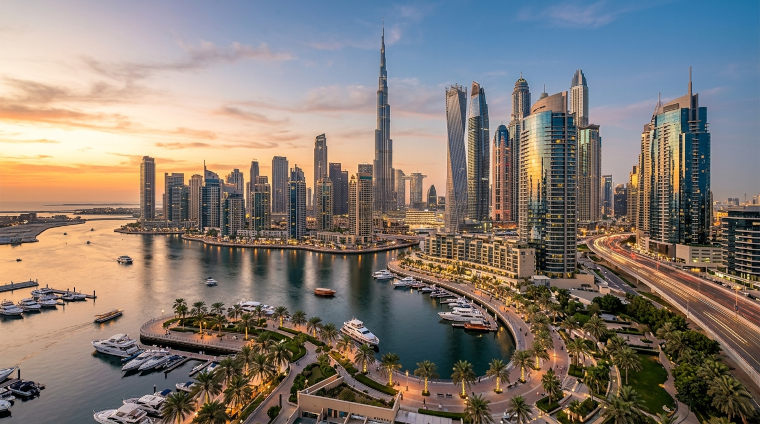 The image was generated using AI technologies

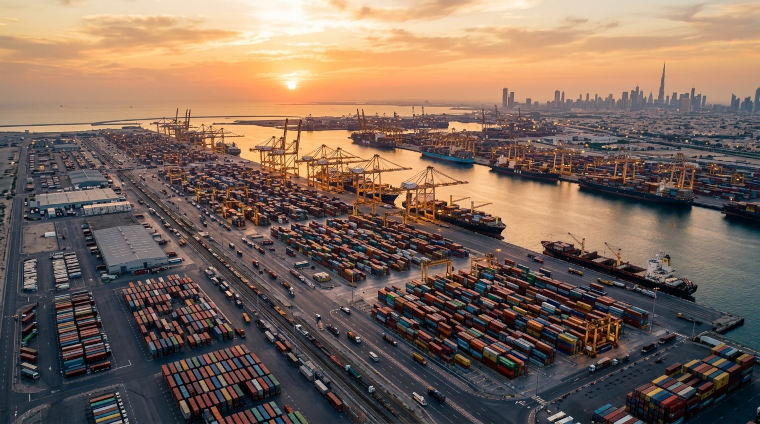 The image was generated using AI technologies

 The image was generated using AI technologies

 The image was generated using AI technologies

 The image was generated using AI technologies