Home/Middle East/Do Russians Need a Visa for Jordan: Entry Rules
02.10.2026
Middle East
1407
Reading time: 13 minutes
Do Russians Need a Visa for Jordan: Entry Rules
Save the article:
Do Russians need a visa for Jordan right now, or can they fly without one? Russian citizens do not need a visa for a short tourist trip to Jordan. Read on for the exact visa-free stay periods, the list of documents required at the border, and the cases where a visa is still needed.
Who will find this article useful? It will be useful for those flying to Jordan for the first time, travelling with children, or who have visited the country before and are not sure whether the previous entry rules still apply. We will also cover business trips, transit and health insurance separately — by the end of the article there should be no unanswered questions.
Visa-free Entry Rules for Russian Citizens
Russia and Jordan have an agreement on the mutual waiver of visa requirements for certain categories of travel. Under this agreement, citizens of the Russian Federation may enter Jordan without obtaining a visa in advance if the purpose of the visit is tourism. This applies both to individual visits and to organised tours.
Image source: Daniel Qura / unsplash.com
Jordan can be entered in two ways: through Amman's international airport or through one of the land border crossings, including Aqaba; both available without a visa for tourist trips.
This arrangement has been in place for several years and has considerably simplified travel for tourists from Russia. However, it does not apply to all situations: business trips, employment and study are not covered by it.
Separately from the visa-waiver agreement for tourists, a special Jordan Pass is also available — more on this later in the article.
Length of visa-free stays
The country has clear time limits for visa-free stays. A tourist from Russia may stay in the country for a limited period per visit, as well as within an overall limit per calendar year. If a citizen exceeds the set period, this is considered a breach of the visa regime and may cause complications on departure.
Purpose of visit
Maximum length per visit
Maximum total length per year
Tourism
30 days
up to 90 days within a calendar year
Transit without leaving the airport
no visa restriction
—
Work, study, business
a visa is required
—
If the planned number of days is not enough, the stay can be extended. The relevant authority in the country reviews such applications, in some cases within a few days, so it is best to apply as soon as it becomes clear that the standard period will not be sufficient. It is convenient to keep track of the overall limit by counting the days already used since the start of the calendar year.
What has changed compared with the old rules
Previously, Russians had to obtain a visa in advance or arrange one on arrival for an extra fee. This step is no longer required for tourist trips. A visa on arrival remains available for those who still need one — for example, those travelling for work.
Travellers relying on the old entry procedure are advised to check current information on the official website of the country's embassy in Moscow or contact the consular service to confirm the status of the agreement.
Documents for Entering Jordan without a Visa
Russian citizens need a foreign travel passport and the relevant set of documents even when entering without a visa. The visa waiver does not remove the need to prepare the paperwork — at passport control, border officers check a standard list of documents and, in some cases, request additional information about the purpose of the visit or the travel route.
a foreign travel passport valid for at least 6 months from the date of entry;
a return ticket or confirmed flight tickets to a third country;
a hotel booking or hotel voucher confirming accommodation;
a completed migration card, if issued on arrival;
documents for children when travelling with minors;
a bank statement or cash (sometimes required as proof of financial means).
Each item on the list is described in more detail below.
Foreign travel passport and validity requirements
The main requirement for the document is its period of validity. The passport must be valid for at least 6 months from the date of entry into the country.
In addition, the passport must have at least one blank page left for border stamps. A passport with a shorter period of validity may be grounds for refusal of entry right at the border. It is worth checking the passport's expiry date in advance, a week before departure, and applying to the relevant department for a new passport if necessary.
Return ticket and proof of accommodation
At the border, a return ticket or confirmed flight tickets to a third country may sometimes be requested. This document confirms that the tourist does not plan to stay in the country longer than the permitted period. A hotel booking, hotel voucher or address of accommodation may also be requested. Having the relevant documents speeds up passport control and removes additional questions from the border service.
Cashiers at airport currency exchange points sometimes also ask for a foreign travel passport — this is standard practice and is not related to visa control. It is a good idea to exchange a small amount into the local currency on arrival, so that you have the means to pay for goods and services during your first hours in the country.
Documents for visiting with children
A child needs their own foreign travel passport if they are not entered in an old-style parent's passport. If the child's surname differs from that of the accompanying parent, it is advisable to carry a birth certificate, as it confirms the relationship.
Image source: magnific / magnific.com
When travelling with one parent or with third parties, a notarised permission to leave the country from the other parent may also be required. The migration card should be kept for the entire period of stay in the country, until departure.
Russians can obtain up-to-date information on entry rules from the consular department of the Russian embassy in Jordan or on the website of the Russian Ministry of Foreign Affairs. This is particularly useful for citizens who are planning a trip in the near future and want to avoid any surprises on arrival.
When a Visa is Still Required for Visiting Jordan
A visa is not required for every visit to the country. Jordan's visa policy has barely changed over the years: the simplified procedure applies only to tourism, while a visa remains a mandatory requirement for crossing the border for other purposes.
As a reminder, the standard visa-free period is 30 days — a separate permit is required for longer stays or for purposes unrelated to tourism. Not all categories of travellers are eligible for the simplified procedure.
Business visits, work and study
The visa-free entry conditions do not apply to business visits, employment or study. An employee on a business visit to the country needs a separate work visa. A student going to study in the country will need a study visa
Applying for such visas goes through official channels and requires supporting documents from the host party — an invitation, a contract or a certificate from the place of study. These documents are mandatory for obtaining a visa regardless of the length of the visit.
A visa is mandatory in the following cases:
business visits and negotiations;
formal employment in the country;
long-term study;
staying longer than the permitted visa-free period;
other purposes of visit not related to tourism.
Each category has its own type of visa — with its own requirements for the set of documents and period of validity. Some types of visa grant the right to multiple entries over several years, which is convenient for those visiting the country regularly for work.
How to apply for a visa
A Jordanian visa is available through several methods. The procedure has been in place for foreign tourists for many years. The choice depends on the purpose of the visit and the time available for preparation.
Method of application
Who it suits
What is required
On arrival at the airport
Travellers outside the simplified procedure, with a straightforward purpose of visit
Foreign travel passport, photograph, payment of the visa fee in Jordanian dinars (JOD)
Online in advance, as an e-visa
Those who want to plan their visit in advance and avoid spending time at the airport
Passport scan, completed application form in English
Through the consulate
Business visits, study, long-term work
Invitation from the host party, full set of documents
The cost of the visa depends on its type, validity period and the current state of diplomatic relations between the countries, so the exact amount should be checked on official resources when applying. Each visa is issued for one person, meaning a group or family needs a separate set of documents for each member.
Similar conditions apply not only to Russian citizens. A visa on arrival or its electronic equivalent is available to foreign tourists from dozens of countries, including Turkey, Armenia, Azerbaijan, Georgia, Uzbekistan, Argentina, Serbia, Hungary, India, China, Japan, the USA, South Korea, Morocco, Bahrain, Zambia, Zimbabwe, Peru, Myanmar and Sri Lanka.
Citizens of some countries are issued a visa free of charge, but this does not apply to Russians — for them, payment of the visa fee remains a mandatory condition.
A special tourist pass
A special tourist pass is available for visiting key attractions in the country. It does not replace a visa, but it simplifies access to historical sites without a separate payment for each entry and covers popular Jordanian excursion destinations.
The pass has existed for several years and remains popular among tourists. It is issued independently of the visa and is intended specifically for tourists, rather than other categories of traveller; it is convenient for those planning to visit several landmark sites in a single trip.
Transit, Flights and Health Insurance
Some questions about travelling to the country are not directly related to the visa. Below are the transit rules, flight options and specifics of arranging health insurance.
Transit through Jordan
Travelling through the country on the way to a third country usually does not require a visa. This rule applies if the passenger stays within the airport's transit zone and does not cross the border. If you plan to leave the airport and spend time in the city, a visa or compliance with the general visa requirements will be needed. If the layover is only a few hours and fits within one day, crossing the country is usually straightforward.
Besides air travel, the country can also be entered by land through land border crossings with Israel. At Jordanian border crossings, border officers check documents and stamp the foreign travel passport with an entry mark, after which passengers must go through customs control.
Bringing in weapons, narcotic and psychotropic substances, explosive materials and other dangerous items is prohibited on general grounds, and large amounts of cash are subject to declaration.
How to get to Jordan
The country can be reached by direct flight or by a route with a stopover in another city. The direct option suits those planning a short trip — such as a stay of a few nights — who want to reduce travel time. A connecting flight is often cheaper but takes longer. The choice of route depends on the traveller's budget and personal preferences.
Is health insurance needed
While health insurance is not listed among the mandatory documents for entry, it is better not to travel without one. Healthcare in Jordan is paid, and treatment without insurance can be expensive. Insurance reduces the financial risk in the event of injury or illness during the trip and provides peace of mind for the whole stay in the country.
What the insurance policy should cover
When choosing a policy, pay attention to several key points. The recommendations on policy coverage have not changed for many years.
coverage for the entire duration of the trip;
cover for outpatient and inpatient treatment;
arrangement of emergency evacuation;
a sufficient level of cover for each risk.
The wider the list of covered cases, the lower the risk of unplanned expenses during the trip.
A policy can be arranged in advance, before departure, which is more convenient than looking for an option at the airport. The final price depends on the length of the trip, the traveller's age and the specific risks covered by the policy; foreign companies often quote the cost in US dollars, so the exact amount is best confirmed directly when arranging the policy.
Tourist Sites and Emergency Assistance
Besides documents and visas, tourists are also interested in practical questions — from the opening hours of attractions to assistance in an unforeseen situation.
Are tourist sites open in Jordan
Tourist sites in the country have been operating as normal for many years. Museums, historical monuments and natural attractions welcome visitors according to their standard schedules. It is best to check the opening hours of a specific site in advance — they may vary depending on the season and day of the week.
Who to contact in an emergency
In the event of lost documents, health problems or another emergency, a Russian citizen should contact the Russian diplomatic mission in Jordan. They will help restore documents and advise on further steps. It is best to check the mission's current contact details directly on the official website before the visit.
Conclusion
A visa is not needed for a short tourist visit to Jordan; you simply need to ensure you do not exceed the permitted length of stay. It is important to observe the set period and gather the standard set of documents: a foreign travel passport, a return ticket and proof of accommodation, which will be checked at Jordanian border crossings.
This rule does not apply to business trips, work, study or long-term stays; in these cases a visa must be arranged in advance and independently. Before travelling, it is worth checking the current entry rules and arranging health insurance — this will help avoid unnecessary expenses and difficulties on the road.
This arrangement has been in place for several years and, by all indications, is likely to remain unchanged for a long time to come, but it is still worth checking the current rules before each visit.
Frequently Asked Questions
Is a visa needed for a business trip to Jordan?
Yes. The visa-free entry rules apply only to tourist visits. A business trip requires a work visa arranged in advance.
What happens if you stay in the country longer than the permitted period?
Exceeding the permitted number of days breaches the visa requirements. This carries a fine and, in some cases, a restriction on re-entering the country.
Does a child need a foreign travel passport to visit Jordan?
Yes, if the child is not entered in an old-style passport of their parent. Otherwise, they need their own document.
Can you leave the airport during a layover through Jordan?
Only with a visa or by meeting the visa-free requirements. Without this, passengers should remain within the airport's waiting area.
Is health insurance mandatory for entering Jordan?
Technically, no — the document is not on the mandatory list for entry. But in practice, insurance protects against the cost of paid medical treatment in the country in case of an emergency.
A reason to contact a real estate agency in Dubai. Regulation of real estate agencies in Dubai. How to choose a real estate agency in Dubai? Specifics of real estate agencies' work in Dubai. Risks of ...
Weather in Dubai in December. Holiday options in Dubai in December. Attractions worth seeing in Dubai in December. Festive and cultural events in Dubai in December. Holidays with children in Dubai in ...
The official language of Dubai and the UAE. English as the main means of communication. Other widely spoken languages in Dubai. Practical advice for tourists and expats. Frequently asked questions.
The best entertainment for families with children. Free entertainment in Dubai. Dubai's iconic landmarks and attractions. Practical tips for budget-conscious travellers. Frequently asked questions.
Distance from Sharjah to Dubai and journey time. How to get from Sharjah Airport to Dubai? How to get from Sharjah to Dubai by bus? Taxi and shuttle from Sharjah to Dubai. Comparison of all options: w...
Types of work visas in the UAE and Dubai. How to find work in Dubai? The process of obtaining a work visa in Dubai. Frequently asked questions about work visas in Dubai.
Main features of Sharjah City Centre. What’s for sale at Sharjah City Centre? Entertainment for children at Sharjah City Centre. Restaurants at Sharjah City Centre. Cultural events at Sharjah City Cen...
General information about the Dubai Marina district. Hotels in the Dubai Marina district. Real estate in the Dubai Marina district. Transport in the Dubai Marina district. Popular restaurants in the D...
A mall in Abu Dhabi, as in other cities, is a large shopping centre that unites dozens and hundreds of boutiques, entertainment venues and business attractions under one roof. The capital of the UAE c...



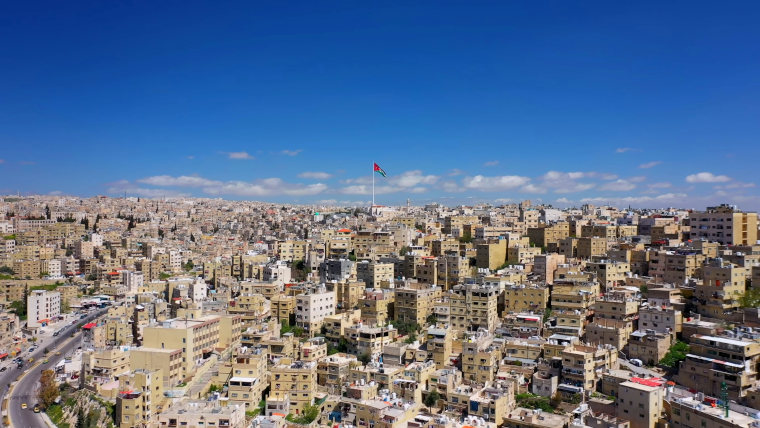 Image source: Daniel Qura / unsplash.com

 Image source: magnific / magnific.com