Attractions of the UAE: Historical, Cultural, and Natural
Save the article:
What are they like? The attractions of the UAE differ from those found in other countries. The distinctive feature of this country is that it has few historical and natural sites, but a great many modern and man-made landmarks. These include skyscrapers and other unusual buildings, a variety of parks, artificial islands, malls and markets, and amusement rides. Some of them are known throughout the world and rank among the finest.
Where are they located? Every emirate has something worth seeing. However, the greatest number of attractions is concentrated in the tourist capital, Dubai. There are also many in Abu Dhabi and Sharjah. Each has its own distinctive charm that draws visitors.
Main Characteristics of UAE Attractions
Thirty years ago, the United Arab Emirates was little known to the world, yet today it has become one of the most popular tourist destinations on the planet. In a remarkably short period of time, the country made an impressive economic leap, thanks to which modern skyscrapers have risen across its cities.
At the same time, the number of prestigious hotels, large-scale shopping complexes, fine-dining restaurants and luxurious resorts has grown considerably, making the UAE an appealing destination for travellers from all over the world.
The UAE is associated with refined luxury, wealth and impeccable service, which attracts tourists from across the globe. Many dream of seeing the famous landmarks of the Emirates with their own eyes — some of which are listed in the Guinness Book of Records.
Historical buildings are few in number — they are mostly simple mud forts and ancient wind towers used for natural air cooling. The shortage of ancient monuments is more than compensated for by modern structures, each of which aspires to set a world record or stand as an engineering masterpiece.
The country's natural resources are remarkable in their diversity: from the endless red sands of the Rub' al Khali desert to the austere grey peaks of the Hajar mountain range. A particularly distinctive feature of the landscape is the mangrove forests of Abu Dhabi, where flamingos and sea turtles inhabit the brackish waters.
The Emirates are renowned for their artificially created landscapes: vast man-made islands, as well as lush parks that have been established despite the harsh conditions of an arid climate. These projects demonstrate how modern technology can transform desert terrain into green, well-appointed recreational areas.
Attractions of Dubai
Thirty years ago, Dubai was a modest town where fishing and trade were the main occupations. Today, thanks to rapid economic growth, it has become one of the leading tourist centres in the world.
Burj Khalifa
Burj Khalifa is the tallest skyscraper on the planet, standing 828 metres high. It is a true mini-city, complete with boulevards, parks and shops spread across 163 floors. The building houses some of the world's fastest lifts, travelling at 18 m/s, as well as the highest observation deck in the world at a height of 555 metres. For over a decade, Burj Khalifa has held the title of the tallest building in the world.
Image source: Shibin Joseph / unsplash.com
Coordinates: 25.197300, 55.274243
The Dancing Fountains
Alongside Burj Khalifa, after sunset, the musical fountain begins its show. The height of its water jets exceeds 150 metres, which is comparable to a 50-storey building. During the performance, the water forms intertwining patterns illuminated by more than 6,000 spotlights. The fountains are set on a vast artificial lake covering an area of over 12 hectares.
Coordinates: 25.195000, 55.274704
Dubai Mall
Dubai is home to one of the world's largest shopping centres, covering an area of over 1.2 million square metres.
In addition to a vast array of boutiques and entertainment zones, it houses an enormous aquarium with a capacity of 10 million litres, inhabited by more than 30,000 sea creatures. Among them are giant turtles, large rays and tiger sharks. A unique feature is an underwater tunnel that allows visitors to observe marine life up close.
Coordinates: 25.197500, 55.279167
Burj Al Arab
The Burj Al Arab hotel, also known as "the Sail", is located on an artificial island in the Persian Gulf and is considered one of Dubai's most iconic architectural landmarks.
Palm Jumeirah is an artificial island shaped like a palm tree. It is home to beaches, luxury hotels, private residences, restaurants, and the Atlantis The Palm complex, which has become one of the city's defining symbols.
Coordinates: 25.130619, 55.117154
Ain Dubai
This is the world's tallest observation wheel, reaching a height of 250 metres. Its unique feature is that up to 1,750 people can ride it simultaneously, allowing visitors to enjoy panoramic views of the city in comfort.
Coordinates: 25.080039, 55.123799
Ski Dubai indoor ski resort
Opened in 2005, Ski Dubai is a unique indoor ski complex maintained at sub-zero temperatures, despite outdoor heat reaching 40 °C. It offers runs of varying difficulty levels, dedicated routes for snowboarders, ski lifts, an ice cave and special zones for climbing.
Coordinates: 25.117722, 55.197845
The Spice Souk
The Spice Souk in Dubai is a place steeped in the atmosphere of the East, where you can find a wide variety of spices, dried fruits, nuts, aromatic coffee, tea and all manner of Eastern sweets. The stalls are literally overflowing with goods, immersing visitors in a world of vivid flavours and fragrances.
Image source: Ash Mohnani / unsplash.com
Coordinates: 25.267303, 55.296903.
The Gold Souk
The Gold Souk is a spacious trading area lined with jewellery shops. On display one can often see large ornaments, diamond-encrusted watches and even gold-threaded clothing. Particular attention is drawn to a ring weighing 64 kilograms, recognised as the largest in the world.
Coordinates: 25.269486, 55.296881
Deira district
In the 19th–20th centuries, the Deira district more closely resembled a large village, yet it played an important role as a key point on trade routes. A significant number of migrants from India and Pakistan eventually settled there. Today, Deira is considered one of Dubai's oldest districts, where the contrast between its historic character and the city's modern appearance is particularly striking.
Coordinates: 25.270014, 55.356568
The Dubai Frame
A symbol of the city's renewed face, it is an enormous structure standing 150 metres tall and 93 metres wide. Owing to its size, the newspaper The Guardian described it as the largest picture frame in the world. At the top there is an observation deck offering breathtaking views. The lower section of the structure houses a museum dedicated to the history of Dubai.
Through the "frame" one can observe the contrast between modern, ever-developing Dubai and the historic part of the city.
Coordinates: 25.235463, 55.300435
The Bastakiya district
Almost no historic buildings remain in Dubai; however, one can step back in time by visiting the Bastakiya district. The appearance of the city from the late 19th to early 20th century has been recreated there, allowing visitors to immerse themselves in the atmosphere of that era.
Coordinates: 25.263731, 55.305107
Jumeirah Mosque
Another significant landmark is Jumeirah Mosque, built in a traditional architectural style and depicted on the 500-dirham banknote. This place attracts a great many pilgrims every year and is open to visitors of all faiths.
Coordinates: 25.233940, 55.265543
Global Village
Global Village is a large-scale cultural park in Dubai where the traditions and cultures of more than 90 countries are represented. You can find miniature replicas of famous world landmarks there, such as Big Ben, the Colosseum, the Eiffel Tower and St Basil's Cathedral. This complex brings together a diversity of cultures and offers a unique experience of travelling to different corners of the world — all in one place.
The Miracle Garden covers an area of 72,000 square metres and represents a unique collection of hundreds of art installations created from flowers and plants. The park contains approximately 250 million different plants, including around 50 species of flowers.
Coordinates: 25.059923, 55.244555
Legoland amusement park
The park offers familiar LEGO structures on a considerably larger scale. Visitors can see how the bricks are made and build their own unique model to take home. The Miniland pavilion contains miniature versions of famous skyscrapers and landmarks from the Middle East, all constructed from millions of LEGO bricks.
Coordinates: 24.919081, 55.011651
Heritage Village
The Heritage Village is a modern project created from scratch to introduce guests to the way of life of ordinary Emirates residents in bygone times. Traditional Arabian houses have been recreated there with great accuracy, with interiors replicating the everyday life of centuries ago. This place allows visitors to immerse themselves in the atmosphere of the past and see how people lived in the old days.
Coordinates: 25.269881, 55.291313.
Museum of the Future
Opened in 2022, the Museum of the Future invites visitors to look ahead to the next half-century and explore prospects for the development of space exploration, artificial intelligence, robotics, medicine and healthcare. National Geographic included this unique venue in its ranking of the 14 most impressive museums in the world. The museum building features an elliptical architectural design and is adorned with elegant Arabic calligraphy, giving it a truly distinctive appearance.
Image source: Collab Media / unsplash.com
Coordinates: 25.219296, 55.282061
Dubai Garden Glow
Dubai Garden Glow is a unique light park where hundreds of art installations and sculptures come alive thanks to thousands of bright lights. In this park you can find impressive replicas of famous architectural structures made from unusual materials.
For example, a miniature version of Burj Khalifa has been created from more than 300,000 multicoloured water-filled ampoules, whilst the Sheikh Zayed Mosque has been fashioned from 90,000 cups, saucers and teaspoons. This illuminated garden astonishes with its colourfulness and the atmosphere of a true fairy tale.
Coordinates: 25.236912, 55.29774
Dubai Desert Conservation Reserve
The Dubai Desert Conservation Reserve is a unique natural territory home to over 50 species of plants, around 120 species of birds and 43 species of mammals and reptiles.
The reserve has a variety of tourist trails that can be explored in different ways: on foot, by jeep, or on horseback or camelback. This allows every visitor to choose a convenient way of discovering the desert ecosystem and enjoying its beauty.
Attractions of Abu Dhabi
Abu Dhabi, though less well known than Dubai, is the capital of the United Arab Emirates and offers equally prestigious hotels, restaurants, and shopping and entertainment centres.
Ferrari World
One of the city's main attractions is Ferrari World — the largest indoor theme park in the world, opened in 2010. It is dedicated to the legendary Ferrari brand, which is enormously popular among the local sheikhs. The park building is finished in bright red and resembles the shape of a racing car.
The Sheikh Zayed Mosque, located in Abu Dhabi, is considered one of the most impressive in the world. It was named after Zayed bin Sultan Al Nahyan, the first president of the United Arab Emirates. In terms of scale, the mosque ranks among the six largest on the planet.
Coordinates: 24.484013, 54.353396
Heritage Village
This open-air ethnographic museum is one where every house has been recreated with the utmost accuracy, reflecting the architecture, atmosphere and daily life of a traditional Arabian village.
Coordinates: 24.476304, 54.331267.
Qasr Al Hosn
This is the oldest architectural monument in Abu Dhabi, built in the second half of the 18th century. In its present form it has existed since the 1930s, when a large-scale reconstruction was carried out. Inside the building is a history museum where visitors can learn about the rich history of the region.
Coordinates: 24.482225, 54.355054
Emirates National Auto Museum
The Emiratis' love of automobiles is reflected in the Emirates National Auto Museum, which houses a collection of over 220 unique vehicles. The collection includes not only rare models but also genuine record-holders: a giant Dodge Power Wagon standing 5 metres tall, an enormous Jeep Willys measuring 7 metres in length, and the oldest automobile with an internal combustion engine — the Benz Patent-Motorwagen of 1885.
Coordinates: 24.098930, 54.419128
Louvre Abu Dhabi
This is an important cultural centre dedicated to the study and preservation of the heritage of the UAE and the Middle East.
Abu Dhabi paid over a billion dollars for the right to use the name of the famous Parisian Louvre.
The museum's collection comprises more than 100,000 exhibits, among which one can see antique sculptures, ceramics, jewellery and much more. This museum is a unique place where history and art from different eras and peoples meet.
Coordinates: 24.533762, 54.398463
Abu Dhabi zoo
The zoo offers its inhabitants conditions befitting royalty. Thousands of visitors arrive daily to see its diverse range of animals. The zoo is home to both common domestic animals and rare exotic species, including rare white tigers.
Coordinates: 24.545856, 54.673881
Qasr Al Watan presidential palace
Constructed in 2017, this site was originally used for official events and has been open to the general public since 2019. The Emirati sheikhs built it to demonstrate the power and wealth of their country. It houses the House of Knowledge museum, which holds key artefacts from the Arab world, such as ancient manuscripts, books and works of art.
Coordinates: 24.462203, 54.305452
The national mangrove park
This park is considered one of the most picturesque natural attractions on the Arabian Peninsula. A wooden walkway runs through the dense mangrove thickets, and boat tours are organised for tourists, allowing them to enjoy the unique flora and fauna.
Image source: BASHIR LUKYAMUZI / shutterstock.com
Coordinates: 24.544436, 54.488526
Yas Marina Circuit
This racing circuit hosts prestigious competitions, including the famous Abu Dhabi Grand Prix. A distinctive feature of the circuit is its counter-clockwise direction — a rare format that demands the maximum skill and concentration from drivers.
Coordinates: 24.471806, 54.605856
Capital Gate skyscraper
At 160 metres tall, this skyscraper cannot compete for height with other buildings in the Emirates; however, it entered the Guinness Book of Records as the most inclined building in the world. Its lean measures 18 degrees — nearly five times greater than that of the famous Leaning Tower of Pisa. This unique architectural structure attracts attention for its extraordinary design and engineering solution.
Coordinates: 24.418551, 54.434816
Aldar HQ skyscraper
This is a unique architectural structure in the UAE, designed in the form of a circular shell with convex façades.
Coordinates: 24.441419, 54.575493
Yas Waterworld
Yas Waterworld is the largest water park in the United Arab Emirates, offering a wide range of water rides and activities for all ages.
Aqua park coordinates: 24.487501, 54.600120.
Attractions of Sharjah
Close to Dubai lies Sharjah — one of the UAE's emirates and its capital city of the same name. This city combines everything that attracts tourists to the UAE: modern skyscrapers, large shopping complexes, well-kept parks and spacious beaches. In Sharjah you can admire magnificent mosques, visit a variety of museums and experience history through architectural monuments that have survived from bygone eras.
This is one of the finest places for a boat trip along a water canal, where one can admire picturesque views of an Eastern city. It offers a unique opportunity to enjoy the beauty of the surrounding scenery from the water.
Coordinates: 25.322899, 55.377699
Al Majaz
This is a park situated on the waterfront, shaped like a crescent moon. It is attractive not only for its scenic landscapes but also for its variety of leisure activities, among which are the famous dancing fountains, which create a magical atmosphere for all guests.
Coordinates: 25.326591, 55.388559
Al Noor Island
A small island located in the waters of the Khalid Lagoon, it is best known for the Butterfly House pavilion. Inside it, several hundred vivid and graceful butterflies live, and they will sometimes fearlessly alight on visitors' hands, causing delight and wonder.
Coordinates: 25.334060, 55.384745
King Faisal Mosque
The largest mosque in Sharjah was built in the late 1980s and named after the former King of Saudi Arabia, Faisal bin Abdulaziz Al Saud. Within its walls is one of the city's largest libraries, containing thousands of books and ancient manuscripts, many of which date back centuries.
Image source: Palani selvam / unsplash.com
Coordinates: 25.349460, 55.387343
Al Noor Mosque
Unlike many mosques in Sharjah that are closed to non-Muslims, Al Noor Mosque is open to anyone who wishes to discover its architecture and atmosphere.
Coordinates: 25.334891, 55.387229
Al Hisn Fort
The fort, built over two centuries ago, was nearly lost in 1970. Only the Al Kubs Tower survived — the sole authentic element of the complex. The rest of the fort is the result of restoration work. Nevertheless, this structure perfectly showcases the distinctive features of the region's fortification architecture. A museum exhibition is available inside..
Coordinates: 25.358639, 55.386389
Souq Al Jubail
Souq Al Jubail is one of the largest markets in the Middle East region. You can purchase a wide variety of goods there, but it is best known as a fish market. A distinctive feature of the place is its fish auctions, where lively bidding takes place for the right to buy fresh fish.
Coordinates: 25.349620, 55.379368
Classic Cars Museum
In the late 1990s, Sheikh Sultan bin Mohammed Al-Qasimi, the ruler of the emirate of Sharjah, began collecting classic cars. Over time, his passion grew into a large-scale project — he founded the Classic Cars Museum.
The museum's collection features over a hundred vintage cars and motorcycles spanning the period from the 1910s to the 1980s. This collection traces the evolution of automotive design and engineering throughout the past century.
Coordinates: 25.317800, 55.525442
The Museum of Islamic Civilisation
This museum presents a variety of exhibitions revealing the history of the emergence and development of Islam, as well as the characteristics of Muslim art, science, technology, architecture and military affairs. Visitors can explore numerous aspects of the culture and civilisation of the Islamic world.
Coordinates: 25.364948, 55.389273
Sharjah Maritime Museum
Before the oil boom, the sea was the most important source of income for many cities in the UAE. The museum showcases traditional Arabian vessels, fishing equipment, navigational instruments from past centuries and other maritime artefacts. Special attention is given to the history of pearl diving, which held great significance for the region.
Coordinates: 25.331450, 55.358992
Sharjah Aquarium
This oceanarium offers a unique opportunity to encounter more than 150 species of marine life typical of the Persian Gulf waters. Visitors can stroll through an underwater tunnel that creates the sensation of walking along the seabed and allows one to observe fish at close quarters.
The fresh sea scent emanating from a large open pool adds a special ambiance, lending it an authenticity that truly immerses visitors in the marine world.
Sharjah Art Museum
The museum has been operating for over 25 years, introducing visitors to works by artists from the UAE and neighbouring regions.
Coordinates: 25.361397, 55.387022
Sharjah Heritage Museum
The museum is housed in the historic part of the city, in the former home of a pearl merchant, Saeed Al Taweel Al Shamsi. The museum's exhibitions tell the story of the emirate's past, its nature, traditions, local culture, as well as traditional crafts and trades.
Coordinates: 25.356905, 55.382156
Sharjah Calligraphy Museum
The museum is dedicated to the Arabic art of writing — an important part of Islamic cultural heritage. In its halls one can see a variety of works, including books, ceramic items and instruments adorned with elegant Arabic calligraphy.
In addition to its permanent exhibitions, the museum organises creative meetings, seminars and workshops, giving visitors the opportunity to explore this unique art form more deeply.
Coordinates: 25.357880, 55.384682
Al Mahatta Museum
Sharjah's first airport was established in the early 1930s. It was closed in the 1970s, and an aviation museum was created on the site of the old terminal. The exhibition features real aircraft, some of which can be flown in flight simulators.
Coordinates: 25.345935, 55.396024
Sharjah Science Museum
In former times, the Middle East was one of the world's leading centres of science. The museum presents exhibitions that introduce visitors to the history of the region's scientific achievements, current research and the prospects for the development of science in the United Arab Emirates.
Particular attention is given to interactive zones where anyone can conduct experiments independently and gain a deeper understanding of the laws of nature through hands-on experience. This approach makes it easier to comprehend complex phenomena and inspires further learning.
Coordinates: 25.349627, 55.424819
Sharjah Archaeological Museum
In the second half of the 20th century, large-scale archaeological excavations were carried out on the territory of Sharjah. Over time, the number of artefacts discovered grew to such an extent that a dedicated museum was needed to house them. A large archaeological museum was consequently built, where visitors can now explore the region's rich historical heritage.
Coordinates: 25.348163, 55.423883
St. Philip the Apostle Russian Orthodox Church
Built in 2011, it became the first Orthodox church of the Russian Patriarchate on the Arabian Peninsula. This church plays an important role for Orthodox believers living in the region.
Coordinates: 25.350052, 55.404112
Arabia's Wildlife Centre
This is a vast territory where animals live in conditions as close to their natural habitat as possible. The park is home to approximately 400 different species of animals, with birds predominating. The absence of conventional fencing and enclosures creates a sense of complete immersion in nature, allowing visitors to feel a close connection with the animal world.
Located in the small town of Mleiha in the emirate of Sharjah, this district holds enormous historical significance, as it was home to some of the first people to leave Africa and begin settling in other parts of the world. The centre's exhibitions present a wealth of material tracing the evolution not only of that region but of human civilisation as a whole.
Coordinates: 25.126607, 55.857599
Attractions of Ras Al Khaimah
This emirate is well worth visiting for anyone who wishes to explore the UAE beyond Dubai and Abu Dhabi. In Ras Al Khaimah one can see unique natural landscapes and historical architectural monuments, try extreme leisure activities and visit Bedouin camps.
Corniche Al Qawasim
This is a three-kilometre leisure zone along the bay, passing through the most scenic and lively districts of the emirate’s capital. Among the points of interest along the corniche are the 37-metre RAK Eye observation wheel and a 120-metre flagpole bearing the UAE flag.
Coordinates: 25.782457, 55.942837
The mangrove coastline
In the very heart of the city lies a small bay densely covered with mangrove thickets. They can be reached easily both overland and by boat. These mangrove groves form a unique ecosystem inhabited by numerous species of fish, molluscs and crustaceans.
Pink flamingos can also be spotted there, making the place particularly attractive for nature lovers and ecotourists.
Coordinates: 25.779721, 55.953192
Sheikh Zayed Mosque
The Sheikh Zayed Mosque is one of the most recognisable symbols of the city. Built between the late 18th and early 19th centuries, its appearance has remained virtually unchanged over time, making it an excellent example of the architecture of that era.
Coordinates: 25.774439, 55.935508
Al Qassimi Palace
Al Qassimi Palace is one of the most mysterious and enigmatic places in the United Arab Emirates. Legends of ghosts, djinn and other supernatural entities supposedly haunting the site are widespread. Today, anyone may visit the former sheikh's residence as part of a guided tour and verify the veracity of these stories for themselves.
Coordinates: 25.739628, 55.945432
The National Museum
Archaeological excavations carried out on the territory of the emirate of Ras Al Khaimah have shown that this area was inhabited by people from ancient times. In the course of lengthy research, numerous artefacts have been discovered there that help shed light on the history of the region. A significant portion of the found objects is now on display in the National Museum.
Coordinates: 25.794555, 55.944841
Al Sawan Camel Race Track
This is a venue where thrilling camel races are held on a regular basis. The spectacle is exciting and full of suspense; however, placing bets is not permitted, as gambling is strictly prohibited in the UAE.
Image source: Godwin Bephin / unsplash.com
Coordinates: 25.674744, 55.926647.
Khatt Springs thermal baths
The thermal springs in the emirate of Ras Al Khaimah have been known for centuries. Today, a large resort complex is located at the site of these springs.
Coordinates: 25.618125, 56.012240
Suwaidi Pearls Farm
Pearl harvesting was formerly one of the key occupations in the area. By visiting Suwaidi Pearls Farm, you can see the process of pearl extraction with your own eyes.
Coordinates: 25.882415, 56.025664
Jebel Jais Flight zipline
One of the world's longest ziplines, Jebel Jais Flight measures 2,830 metres and is situated in the mountains of the emirate of Ras Al Khaimah. This thrilling adventure promises unforgettable experiences and unique views.
Coordinates: 25.942269, 56.151182
Attractions of Fujairah
Fujairah today is the main city on the eastern coast of the UAE. The emirate is separated from the rest of the country by the Hajar mountain range, which forms an irregular border. The city consists mainly of rectangular blocks of tall office buildings, though historical monuments can be found there as well.
Sheikh Zayed Mosque
One of the main attractions is the Sheikh Zayed Mosque — the second largest in the UAE after the mosque of the same name in Abu Dhabi, and the largest Muslim place of worship in the region. Construction of residential and office buildings in the immediate vicinity of the mosque is prohibited, which allows one to admire its architecture from all sides.
Address: Grand Sheikh Zayed Mosque, Fujairah — Al Fujairah — UAE.
This is the oldest place of worship in the country, dating from 1446. It is a low-rise building featuring graceful architectural elements.
Address: Al Bidiyah Mosque — Al Fujairah — United Arab Emirates.
Fujairah Fort
Fujairah Fort is one of the most ancient structures in the region, situated on a hill in the historic centre of the city. From a height of approximately 20 metres you can enjoy a picturesque view of the sea and the city's skyline.
Address: Fujairah Fort — Fujairah — UAE.
Fujairah Museum
This is a local history museum housing valuable archaeological finds discovered in the vicinity of Al Bidiyah, Dibba and Qidfa.
Address: Fujairah Museum — Al Fujairah — UAE.
Fujairah Heritage Village
The Heritage Village is an open-air museum enclosed by mud-brick walls. It features traditional Arabian houses, boats, a fort and a mosque, as well as household objects and crafts — furniture, crockery, tools and carpets — reflecting the way of life of the local population.
Coordinates: 25.13722441092614, 56.3373208478658
Al Hayl Fort
Al Hayl Fort is a fortification built in the 17th century in the style of a medieval castle. In peacetime it served as the residence of the emirs of Fujairah, while during periods of conflict it played the role of a defensive structure, protecting the territory from enemies. Today it stands as one of the key historical and architectural monuments of the region.
Address: Al Hail Mountains — Fujairah — UAE.
Al Bithnah Fort
Al Bithnah Fort was once used as a watchtower. Its massive walls of golden stone and a sturdy round tower lend this low-lying building a particular appeal for photographers.
Image source: hozifa mahmmed / unsplash.com
Address: Al-Bithnah Fort — Al Fujairah — UAE.
Ain Al Madhab hot springs
The springs are renowned for their mineral water, which has a therapeutic effect on various ailments. The open-air area nearby is used as a stage for traditional performances during festivals in Fujairah.
The market is considered an important cultural and historical attraction of the region and is recognised as one of the finest markets in the emirate.
Coordinates: 25.29184388175384, 56.11566826769351
Frequently Asked Questions about UAE Attractions
Where can the interesting natural attractions of the UAE be found?
The world's largest sand desert, the Rub' al Khali, is located near Abu Dhabi and the Liwa Oasis; in the desert majestic red dunes can be seen, changing colors especially spectacularly at sunset. In the east of the country rise the Hajar Mountains, the main massifs of which are located in Ras Al Khaimah and Fujairah, reaching heights of up to 1,900 metres.
In these areas lie dry riverbeds — wadis — in which water collects after rainfall. Among the most scenic are Wadi Siji, Wadi Ham, Wadi Wurayah and Wadi Saham, all situated in the Fujairah area.
In Abu Dhabi, one should certainly visit the Al Zora reserve, where mangrove forests grow — a rare ecosystem that can be explored by kayak or enjoyed from an observation platform. Pink flamingos can also be observed there in their natural habitat.
Which beaches can be considered attractions of the country?
The Jumeirah beaches in Dubai and the Saadiyat beaches in Abu Dhabi. They attract tourists with their soft white sand, clear turquoise water and well-developed infrastructure.
Are there unusual attractions in the UAE?
Not far from Al Ain there is a peculiar car graveyard — a desert expanse strewn with hundreds of rusting vehicles. Also of interest is the Hatta Oasis in the Hajar Mountains, where one can see traditional buildings and enjoy cooler temperatures away from the noise of the cities.
Al Siniyah Island is a little-known nature reserve with dense mangrove forests and a large colony of cormorants, rarely visited by tourists.
Not far from Ras Al Khaimah lies the Al Jazirah Al Hamra — an abandoned fishing village in which old buildings made of coral stone and mangrove timber have survived. This place seems frozen in time and is called a "ghost town" for its atmosphere of abandonment and its historical authenticity.
What can one see in the remote corners of the UAE?
If you dream of a starlit sky instead of a hotel ceiling and prefer an evening by the campfire to the usual restaurant dinner, head for the remote corners of the UAE.
Camp 1770, where one can spend the night in a traditional Bedouin tent at an altitude of 1,770 metres. From there, breathtaking views open up over the mountain ridges spread above the valley villages, as well as the waters of the Persian Gulf disappearing over the horizon. Such a stay will offer unforgettable experiences and a genuine closeness to nature.
Sonara Camp Al Wadi, situated in the very heart of the Arabian desert, invites guests to immerse themselves in the atmosphere of Arab culture. For entertainment, shows featuring local performers are organised, along with camel rides, archery and sandboarding (riding down sandy dunes in a manner reminiscent of surfing).
At the Bedouin camp Bassata Village, one can discover the traditions and way of life of Arabian nomads. The programme includes evening gatherings around the campfire with songs, dances and storytelling, tastings of national dishes, camel rides and survival lessons suited to desert conditions.
The attractions of the United Arab Emirates represent a harmonious blend of cutting-edge engineering achievements and breathtaking natural beauty.
Although the Emirates lack a large number of ancient historical structures, the country is renowned for its contemporary architectural projects, which will astonish even the most discerning connoisseur. Impressive skyscrapers and innovative buildings place the UAE among the world's leaders in modern urban development.
Qatar: essential facts before your trip. What to see in Doha: the main attractions. Attractions outside Doha. Practical tips: itineraries, food, and shopping. Frequently asked questions.
The fame of the Deira district in Dubai. The history of the Deira district in Dubai. The structure of the Deira district in Dubai. Transport accessibility of the Deira district in Dubai. Real estate i...
What the Dubai Frame is. Height, dimensions and what you can see inside. Tickets, prices and opening hours. How to get there and what's nearby. Practical tips for tourists. Frequently asked questions.
Where to buy a car in Dubai? Car registration and ownership costs in Dubai. Fines and driving rules in Dubai. Car rental in Dubai. Frequently asked questions about cars in Dubai.
Healthcare system in Dubai. Access to medical care for UAE citizens. Access to medical care for residents and expats. Access to medical care for tourists and short-term visitors. Medical tourism in Du...
Ain Dubai — a record-breaking Ferris wheel. Location and directions to Ain Dubai. Ride experience and what can be seen. Practical information for visitors. Frequently asked questions.
Citizenship by real estate investment, its advantages and risks. Countries offering citizenship or a residence permit for purchasing real estate. Costs and ways to obtain a legal status through purcha...
Ciel Dubai Marina — the record-holder for height. Premium-class services and amenities. Comparison with other high-rise hotels in Dubai. Booking and accommodation prices. Frequently asked questions.


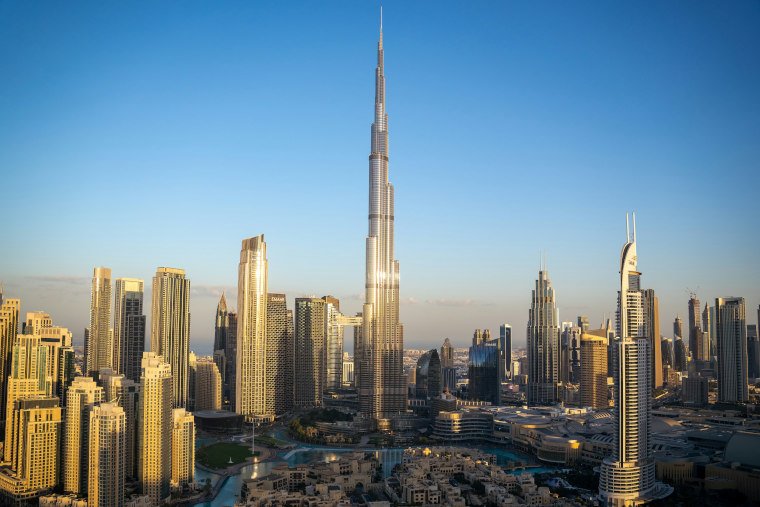 Image source: Shibin Joseph / unsplash.com

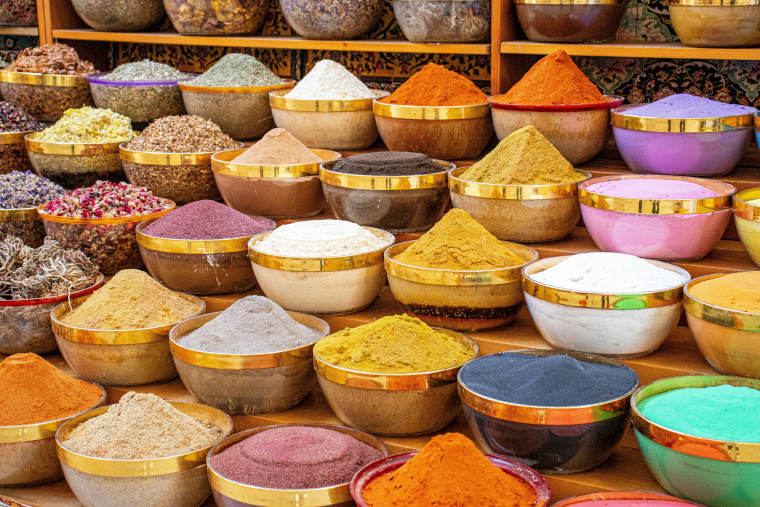 Image source: Ash Mohnani / unsplash.com

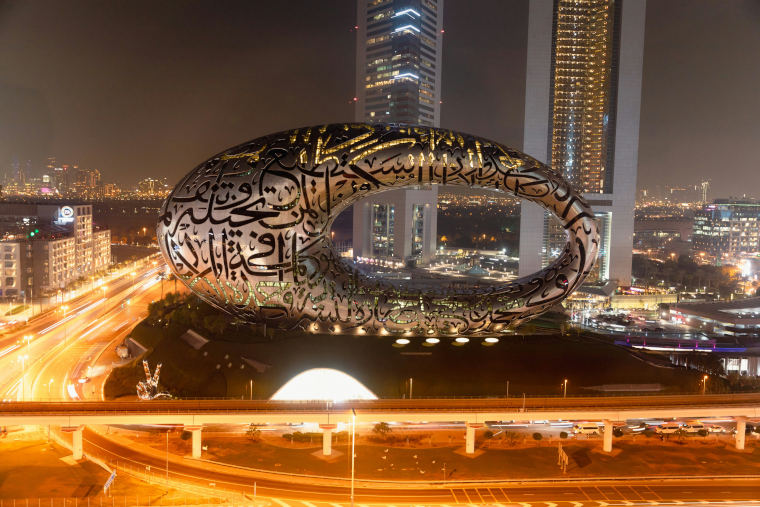 Image source: Collab Media / unsplash.com

 Image source: BASHIR LUKYAMUZI / shutterstock.com

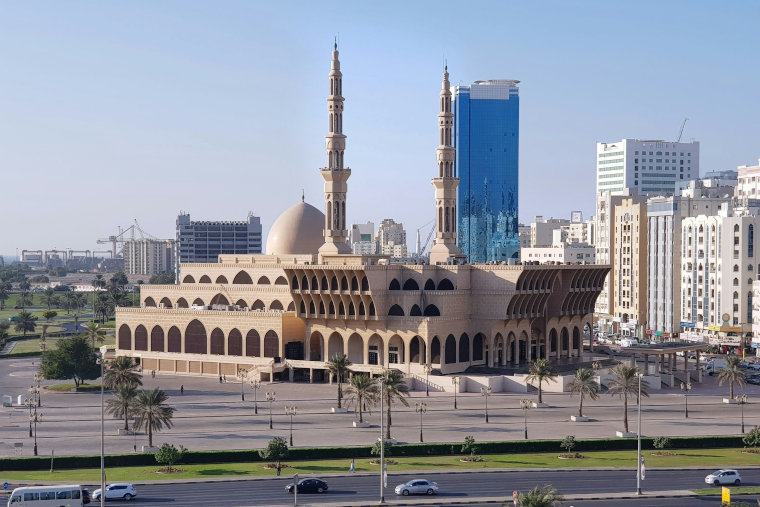 Image source: Palani selvam / unsplash.com


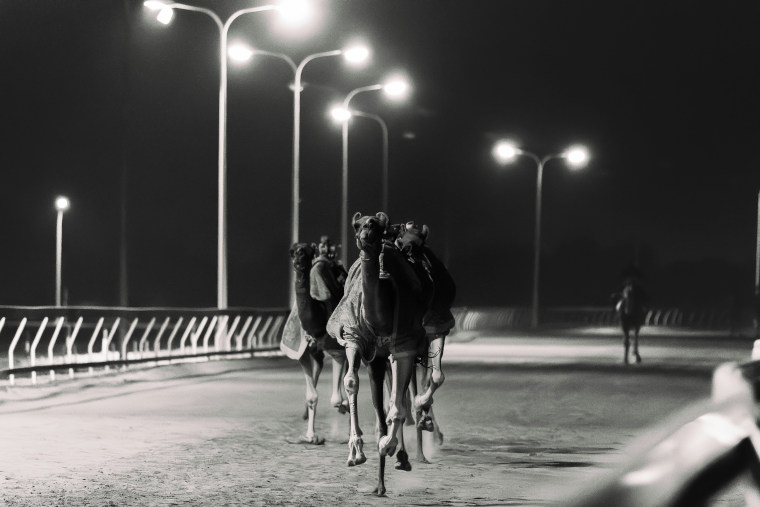 Image source: Godwin Bephin / unsplash.com

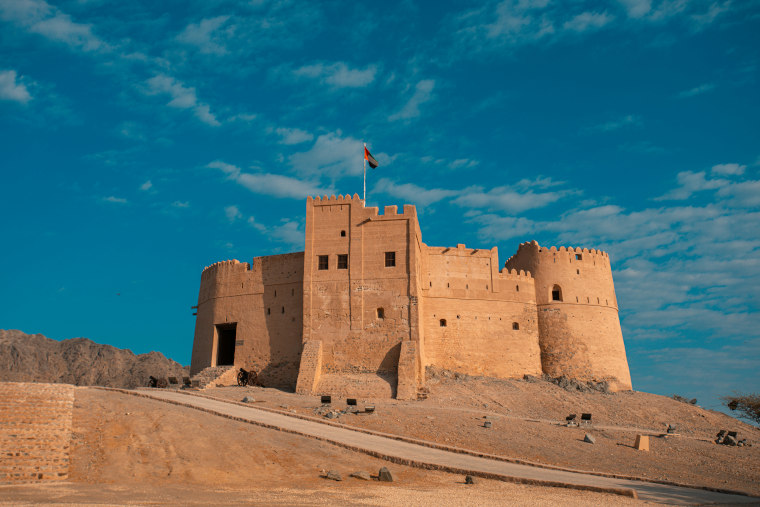 Image source: hozifa mahmmed / unsplash.com