Dubailand: A Grand Entertainment and Investment Project
Save the article:
What is it? Dubailand is a grand project located not far from the famous UAE city. It is a world-class multifunctional complex of entertainment, leisure, and tourism that is still under construction. Plans include the creation of unique themed parks, luxury hotels, and entertainment zones that attract tourists from around the world. The project promises to become one of the largest tourist destinations in the Middle East.
What makes it appealing? Its convenient location, considerable prospects, already well-developed infrastructure, and diverse range of property options make Dubailand an attractive investment destination. The complex will also serve as a hub for business, creating new opportunities for local residents and for those who are ready to invest in innovation and prosperity.
Location of Dubailand
Dubailand is not merely the most expansive district in the emirate — covering an area of over 278 square kilometres according to the master plan — but is conceived as a "city within a city". It is a grand leisure and entertainment destination, often referred to as the "Middle East's Disneyland".
The complex is situated approximately 20 kilometres from Dubai. Within walking distance lies the famous Miracle Garden flower park, which is one of the key tourist attractions in the area. The district is abundant with a variety of dining establishments, from cosy cafés to fully fledged restaurants, ideal for a visit after a sightseeing tour.
Image source: yasara hansani / unsplash.com
It is also worth noting that the legendary Legoland theme park is situated just one and a half hours away.
An extensive network of motorways passing through the area ensures swift transport links with central Dubai, the capital Abu Dhabi, the city of Al Ain, the emirate of Sharjah, and the northern emirates.
Nearby residential communities include Mudon, Silicon Oasis, and Arabian Ranches. Although these were originally designed as constituent parts of Dubailand, they now operate as independent communities bordering the main project. In addition, the sports clusters of Dubai Motor City and Dubai Sports City are located in immediate proximity.
Prospects of Dubailand
The initiator behind the grand Dubailand project, which came to light in 2003, was Dubai Properties, the emirate's leading development company. At present, the realisation of the project has not yet been brought to its logical conclusion: the territory continues to be transformed into a fully fledged mixed-use district, harmoniously combining residential quarters with tourist and entertainment clusters.
Once all construction work is complete, the sheer scale of the project will be staggering. Plans call for the construction of 45 key and approximately 200 ancillary facilities. The final permanent population is expected to reach 2.5 million people, whilst the annual flow of tourists is projected at around 15 million visitors.
In total, the concept envisages the realisation of approximately 26 unique projects and locations. These will include children's amusement parks, expansive retail zones, and modern office skyscrapers.
The entirety of Dubailand in Dubai will be structurally divided into six themed sectors:
Downtown (the business and cultural centre of the city).
Sports and Outdoor World (a zone for sport and active leisure).
Eco-Tourism World (a territory for ecological tourism).
Themed Leisure and Vacation World (a world of themed recreation).
Retail and Entertainment World (a realm of shopping and entertainment).
Attractions & Experience World (a venue for attractions and experiences).
The final zone is of particular interest. According to the plan, scaled-down replicas of the world's most celebrated architectural and natural landmarks will be recreated there. Visitors will be able to see the Taj Mahal, the Eiffel Tower, landscapes of the Amazon jungle, and many other wonders of the world. In effect, a visit to Dubailand will offer guests the opportunity to engage with diverse world cultures and to symbolically visit the capitals of different countries — all in a single trip.
To allow every visitor to fully appreciate the grandeur of the district, a giant observation wheel will be erected on its grounds.
Special emphasis has been placed on the sporting dimension: the park will offer numerous locations for golf enthusiasts, including the Dubai Golf City club, several championship courses, and a global golf academy. In addition, plans include the construction of numerous courts, playing fields, and stadiums for training in other disciplines.
Notable Attractions in Dubailand
To date, the district's territory already encompasses more than two dozen large-scale structures, which give a clear impression of what this "city of the future" will look like upon full completion.
The operational facilities include:
The Al Sahra Desert Resort complex, offering premium restaurants and cafés.
The Dubai Golf City cluster, uniting five exclusive clubs.
The Dubai Sport City sports hub that includes stadiums, sports schools, and its own golf club.
The eco-friendly Arabian Ranches residential park.
The prestigious DAMAC Hills community, featuring villas, townhouses, apartments, and Beverly Hills–level hotels.
The Bawadi Boulevard, stretching 10 kilometres and home to 50 hotels, retail galleries, entertainment centres, and parkland.
The unique Falcon City of Wonders project, which recreates full-scale reproductions of the world's most famous wonders (the Egyptian pyramids, the Eiffel Tower, the Hanging Gardens of Babylon, and others), complemented by residential development and full infrastructure.
The fairy-tale City of Arabia, featuring luxury office and residential skyscrapers, boutiques, restaurants, and extraordinary entertainment — including the Mall of Arabia shopping centre, the Restless Planet Jurassic-era theme park, the Wadi Walk promenade, and the Elite Towers residential ensemble of 34 high-rise towers.
The indoor IMG Worlds of Adventure theme park, located within the City of Arabia and the largest space in the world dedicated to Marvel and Cartoon Network characters.
The luxury Al Habtoor Polo Resort and Club, comprising a polo academy, an equestrian school, and capacious stables accommodating 520 horses.
The Al Marmoom Heritage Village, situated 15 minutes' drive away, where visitors can immerse themselves in the culture of the emirate through traditional markets, dancing, and camel racing.
The Plantation equestrian complex, featuring polo fields, a veterinary centre, upscale hotels, and residential properties offering a high level of comfort.
The Dubai Autodrome, home to a licensed racing circuit, a karting track, and a professional driving school.
Since 2026, the district has been home to the Global Village theme park — a grand fair uniting the cultures of countries from around the world. Each nation is represented by its own pavilion with national goods, traditions, and entertainment. Completed projects also include a shopping mall within the Dubai Outlet City and the famous Legoland theme park.
Worthy of special mention is the Dubai Heritage Village — an open-air museum situated in a hillside oasis. Its main exhibits are fortifications and towers dating to the 19th century, which allow visitors to engage with the ancient history of the region.
Transport in Dubailand
The geographical position of the district can be described as exceptionally advantageous. The journey to Al Maktoum International Airport takes approximately ten minutes by car, whilst Abu Dhabi, the capital of the UAE, can be reached within one hour.
Key attractions of the metropolis — such as Palm Jumeirah island, the Dubai Mall shopping and entertainment complex, the La Mer beachfront area, and the historic city centre — are all within 20–30 minutes' drive.
The primary highway in the vicinity is Sheikh Mohammed bin Zayed Road, which ensures swift connectivity with every corner of Dubai. Although there are currently no metro stations within the district, the residents have access to a well-developed public transport network.
In particular, bus route No. 30 connects local points — including the Skycourts Towers skyscrapers, Windsor Residence, and the Liwan district — with the central parts of the city. Additional mobility is provided by stops near facilities such as Global Village and Silicon Oasis. For everyday journeys, taxi services are widely used, including RTA operators as well as the popular Uber and Careem apps.
Private car owners enjoy considerable advantages owing to the abundance of parking spaces. Most residential complexes are equipped with underground car parks, whilst surface-level parking is provided for visitors.
Villa residents may park directly within their own grounds, using garages or covered driveways. Looking ahead, the opening of metro stations is planned by 2030, which will further improve the district's transport accessibility.
Infrastructure in Dubailand
Supermarkets
The district is well supplied with grocery outlets of various formats, ranging from large hypermarkets to convenience stores. Residents of complexes such as Skycourts Towers can shop at the Lifco and West Zone chains. For residents of The Villa community, the Spinneys supermarket — situated in immediate proximity to the apartment buildings — is an ideal option.
Schools and universities
The education system caters to all age groups. For the youngest children there are nurseries available, including Kids Zone Nursery in The Villa and Chubby Cheeks Nursery in Skycourts Tower C.School-age children have access to a British curriculum at Aquila School near Skycourts, as well as the IB Diploma at Fairgreen International School (Liwan district).
A GEMS digital future school is set to open in Al Waha in the near future. Residents of The Villa district may choose between institutions offering the Indian or British curriculum (GEMS Heritage School and GEMS FirstPoint School). University students benefit from proximity to the International Academic City, which is home to prestigious universities including Zayed University and Heriot-Watt University.
Clinics and hospitals
Medical provision is represented by both local clinics and major hospitals. Within the district, Ace Medical Centre (Skycourts Tower D) and Dr. Kamkar Medical and Physiotherapy Center in Majan are in operation. For comprehensive medical assistance, the residents may make use of hospitals in the neighbouring Silicon Oasis, such as Aster Clinic and Dr. Soliman Fakeeh Hospital.
Neighbouring districts
Dubailand's strategically advantageous position is reinforced by its proximity to key highways: Sheikh Mohammed bin Zayed Road (E311), Emirates Road (E611), and Al Qudra Road (D63). This ensures swift connectivity not only with central Dubai, but also with Abu Dhabi, Al Ain, Sharjah, and the Northern Emirates.
Image source: diana.grytsku / magnific.com
The adjacent residential communities — Mudon, Silicon Oasis, and Arabian Ranches — now operate as independent communities, although initially they were parts of the overall master plan. Also in immediate proximity are the specialised clusters of Sports City and Dubai Motor City.
Shopping, restaurants, and nightlife
The district has been transformed into a dynamic environment that harmoniously unites residential, commercial, and entertainment spaces. Despite certain limitations in public transport compared with more central locations, it offers a high standard of comfort and modern amenities for everyday living.
Shopping centres
Dubai Outlet Mall. Located within a 10–12 minutes drive from Skycourts Towers and The Villa. The complex accommodates 240 retail outlets, an expansive food court, and an entertainment arcade.
Dragon Mart. Situated within 26 minutes from City of Arabia and Falcon City of Wonders. This iconic destination for bargain shopping offers more than 5,000 shops and a variety of entertainment.
The Dubai Mall. One of the most popular shopping centres in the world, reachable in just half an hour from the residential communities.
Restaurants
The district's culinary map is extraordinarily diverse, ranging from affordable eateries to fine-dining restaurants. Notable establishments include the Italian restaurant Oregano in The Villa community, as well as the Indian restaurants Green Hills and Pudumadam in the Skycourts Towers complex. The Remal shopping centre in the Majan district also offers a wide selection of venues for everyday dining.
Evening entertainment and nightlife
In the evenings the residents can visit licensed bars and lounges located nearby. Particularly noteworthy are Mr Tod's Pub & Kitchen in Silicon Oasis and the bars at The Els Club golf club (Sports City). Sports fans will appreciate the atmosphere of Kickers, whilst meat lovers are sure to enjoy Big Easy Bar and Grill.
The Villa community has its own green spaces in the Aldea and Hacienda sub-sectors. Additional walking opportunities are provided by the neighbouring Arabian Ranches district.
The district offers unique sporting facilities, including the famous Al Qudra cycling track and the Hamdan Sports Complex with its world-class gymnasium. The UAE Sports Academy at The Villa offers tennis, swimming, Zumba and personal training.
A wide range of beauty salons is available for personal care, including The Iridium Spa, Tips and Toes, Las Mininas, The Haven Spa, Sea Salt Spa, Nstyle Beauty Lounge, and Belle Femme.
Investment Appeal of Dubailand
The district is rightfully regarded as one of the most successful and ambitious ventures of the emirate's construction industry flagship — Dubai Properties.
Thanks to the rapid development of infrastructure, the area has won the hearts not only of travellers, but also of those seeking a permanent place of residence. All the conditions have been created for the comfortable living of a wide variety of residents: from business people and young professionals to families with children and the older generation.
The property market in the district consists exclusively of premium-class developments. Modern new-build properties of the most varied formats and purposes are one of the defining characteristics of Dubailand. At the same time, property prices remain surprisingly affordable on average.
An additional incentive for buyers is the flexible instalment plans offered by developers, which allow the cost of housing to be paid in stages without the accrual of interest.
A key advantage of the location is its status as a Freehold Zone. This means that foreign nationals have the full right to purchase property there and own it 100%, without any restrictions on duration or rights of disposal.
The combination of accessible rental rates and a wide choice of properties makes the district extremely popular among both residents and investors. Experts unanimously recognise this territory as one of the most promising destinations for investment.
Frequently Asked Questions about Dubailand
What residential complexes and communities are available in Dubailand?
The district offers a comprehensive range of conditions for comfortable living for both families and individual residents. High demand from affluent buyers is driven by the convenient proximity to the central quarters of the metropolis. The most sought-after projects include:
Skycourts Towers. An architectural ensemble of six high-rise towers, combining apartments, office spaces, restaurants, and retail boutiques. The complex stands out for its unique design and excellent access to the emirate's key motorways.
Rukan. A premium gated community situated in the Wadi Al Safa area. The residents have access to high-quality townhouses, with golf courses, supermarkets, and a variety of dining establishments within easy reach.
Living Legends. An elite cluster uniting luxury villas and apartments in the highest price segment.
Falcon City of Wonders. A self-sufficient gated community equipped with all the necessary infrastructure for comfortable everyday living.
Villanova. A flagship project by the leading developer Dubai Properties. The district is built up with spacious cottages and villas in a contemporary architectural style, designed for those who value privacy and quality.
Are guided tours available within Dubailand?
Although the full opening of the entire entertainment complex is expected only in several years' time, tourists and local residents already have the opportunity to appreciate the grandeur of the vision.
Special guided tour routes allow visitors to explore the completed locations in the company of a guide. During the tour, participants can examine highly detailed scale models of the future city and learn a wealth of interesting facts about the development of the project.
Although the district does not have its own beach area, reaching the sea is not difficult. Jumeirah Beach is just 30 minutes away by car. This popular recreational area is equipped with everything necessary for active leisure: pedestrian walkways, children's playgrounds, and outdoor exercise equipment.
A colossal entertainment complex whose final scale is planned to be twice that of the legendary Disneyland in Florida — that is Dubailand. The theme park and numerous other infrastructure facilities are being built across a territory of approximately 300 square kilometres.
The site is also planned to accommodate a large number of hotels, shopping malls, sports arenas, and recreational zones. A significant proportion of these facilities are already successfully in operation. The community today possesses a full range of infrastructure for a well-rounded life, including restaurants, shops, and tourist centres.
For investors considering the purchase of property in Dubai, this district represents an extremely valuable asset. Its well-developed infrastructure, oriented towards a steady influx of tourists, guarantees a high potential return on investment.
Article header image source: Far Chinberdiev / unsplash.com
Sheikh Zayed Grand Mosque: the main attraction of Abu Dhabi. Visiting rules and dress code. Practical information for visitors. What else to see in Abu Dhabi. Frequently asked questions.
Why you need a local SIM card in Dubai. Is the free SIM card in Dubai worth using? Differences between a regular SIM card and an eSIM. Choosing a mobile operator for an eSIM in Dubai. Frequently asked...
How the UAE economy functions: from oil dependency to diversification. Which production sectors are most developed in the UAE? Why the UAE attracts foreign investors? How to set up a manufacturing com...
Calendar of official holidays of the UAE. Muslim events in the UAE: traditions and rules of conduct. Opening hours of institutions and businesses during holidays. National events and public occasions...
Where Palm Jumeirah is located. The history of Palm Jumeirah in Dubai. How to get to Palm Jumeirah. Main features of Palm Jumeirah. The advantages of buying property on Palm Jumeirah. What property ca...
The legal system in the UAE. Traffic fines in the UAE. Fines in the UAE for disturbing public order. Fines in the UAE related to real estate. Fines in the UAE and the GDRFA system. Frequently asked qu...
Main features of Mohammed Bin Rashid City. Infrastructure of Mohammed Bin Rashid City. Housing in Mohammed Bin Rashid City. Transport accessibility of Mohammed Bin Rashid City. Frequently asked questi...
Demographic indicators of the Arab Emirates. General information about the population of the Arab Emirates. Benefits for the indigenous population of the Arab Emirates. Rules for communicating with th...
Healthcare system in the UAE. Medical insurance for Dubai residents. Registration of foreigners in the healthcare system. Best clinics in Dubai. Frequently asked questions about healthcare in Dubai.


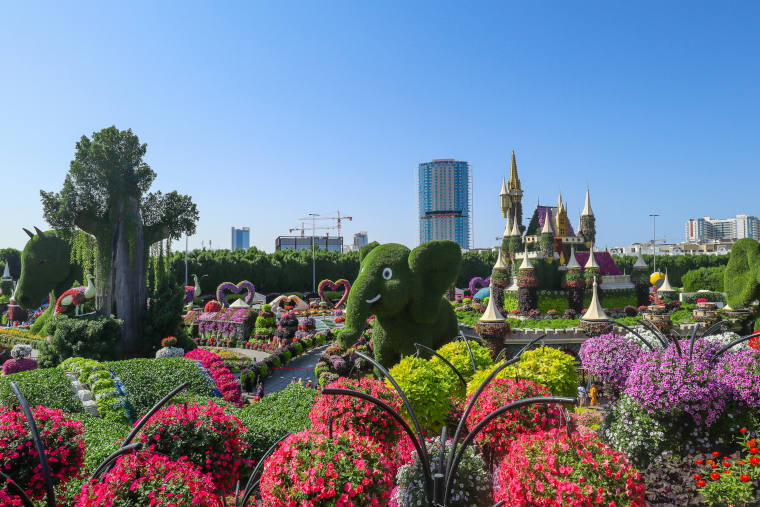 Image source: yasara hansani / unsplash.com


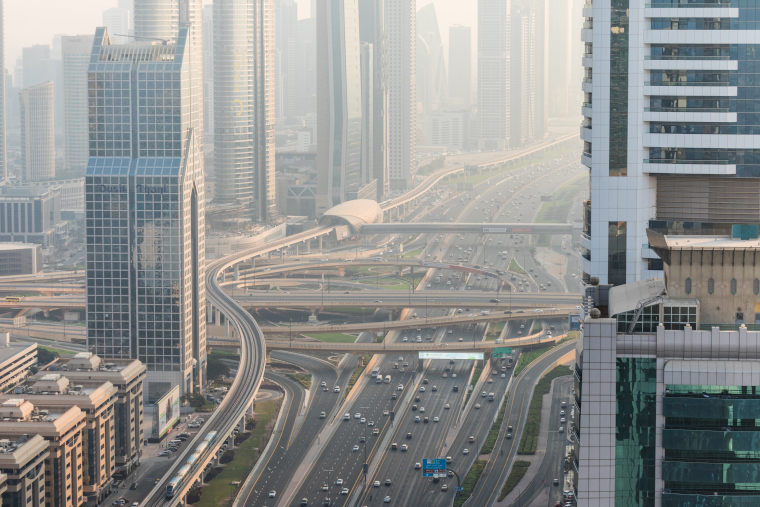 Image source: diana.grytsku / magnific.com