Is Window Tinting Allowed in Dubai: Rules, Fines, and Tips
Save the article:
What tinting is allowed? Window tinting in Dubai is allowed but only partially. Tinting the front side windows is not allowed. Tinting the rear side windows and rear windshield is allowed, but with restrictions on light transmission.
What's the penalty for violations? Non-compliance carries a fine of 500 dirhams, and in some cases the vehicle may be impounded for up to 30 days. Before installing window tint, make sure it complies with UAE legal requirements.
Why Cars Are Tinted in Dubai
Demand for window tinting in the UAE is driven by climate and local cultural norms. Below are the two main reasons drivers turn to tinting centers.
Protection From Heat and UV Rays
In summer, air temperatures in Dubai reach 50 degrees. Without tinting, the interior of a car parked in the sun heats up to 70–80 degrees. Air conditioning struggles significantly more under this load. Tinting shields against sunlight, blocks ultraviolet and infrared rays, and reduces heating of seats and the steering wheel.
Image source: Dreamer Dude / unsplash.com
Privacy and Growing Demand
Beyond that, tinted windows protect passengers from overheating and provide added privacy. In Arab countries, this is especially relevant for female drivers. As a result, demand for car window tinting in the UAE remains consistently high.
UAE Tinting Rules: What's Allowed and What's Banned
Car window tinting rules in Dubai are regulated by the Roads and Transport Authority (RTA). In 2017, the UAE eased tinting requirements: darker film is now permitted on rear side and rear windows.
What's allowed:
Tinting rear side windows with a permitted VLT level of 30% or higher.
Tinting the rear windshield with a VLT level of 30% or higher.
Tinting a strip no wider than 15 cm at the top of the front windshield.
Tinting front side windows — only in Abu Dhabi, with a minimum VLT of 50%.
What's banned:
Tinting front side windows in Dubai is completely banned.
Mirror and colored tinting on any windows is banned.
Light transmission below the established threshold on any window.
Tinting that impairs the driver's visibility at night.
Important! Each emirate in the UAE has its own rules. Dubai's rules are stricter than Abu Dhabi's. Before tinting, check the requirements specific to the emirate where the vehicle is registered.
Permitted Tint Percentage by Window Type
VLT (Visible Light Transmission) is the percentage of visible light that passes through glass. The lower the VLT, the darker the tint. The UAE has set the following standards:
Window Type
Dubai
Abu Dhabi
Windshield
No tinting (top strip 15 cm)
Same
Front side
Banned
VLT at least 50%
Rear side
VLT at least 30%
VLT at least 30%
Rear windshield
VLT at least 30%
VLT at least 30%
Tint light transmission is the primary criterion checked during a vehicle inspection. RTA inspectors check windows using a special device — a tint meter. If the reading falls below the permitted level, the car won't pass inspection until the violation is corrected.
Fine for Tinting in Dubai
Violating car window tinting rules in the UAE is classified as an administrative traffic violation. The penalty for exceeding the current limit includes:
A fine of 500 dirhams (about $137 USD).
Vehicle impoundment for 30 days.
The car is taken to an impound lot. Storage costs are borne by the owner. Additionally, the tint must be brought into compliance with UAE standards, otherwise the car won't be released.
Fines apply both for film that's too dark and for mirror or colored tinting. Dubai police regularly conduct road patrols. Exceeding the tint limit is detected during routine checks and vehicle inspections.
Important! If a car was purchased abroad — for example, in Russia, Kazakhstan, or Armenia — and already has tinting that doesn't meet UAE standards, it must be redone before the car is registered. Otherwise, the vehicle won't pass inspection.
Mirror Tinting: Is It Allowed
Beyond standard light-transmission restrictions, the UAE has a separate ban on certain types of film. Let's look at which coatings fall under this ban and why.
Why Mirror Film Is Banned
Mirror tinting is banned in Dubai. It doesn't meet road safety requirements: it blocks visibility for other drivers and pedestrians, and also prevents police officers from seeing what's happening inside the vehicle. If mirror film is detected, the fine and impoundment apply in full with no exceptions.
Colored Tinting: Which Shades Are Banned
Tinting film with colored tints — blue, red, green — is also banned. Only a neutral gray or a slight brownish tint is permitted, as long as it doesn't distort color perception or visibility.
Tinting on Company Vehicles and Taxis
Owners of corporate fleets and taxi companies often ask whether general tinting rules apply to them. The answer is below.
Rules for Corporate Vehicles
Corporate vehicles and taxis in Dubai follow the same rules as private cars. There are no exceptions for vehicles owned by legal entities. This means that even if a company wants to provide privacy for clients in a corporate car, tinting the front side windows is not allowed.
RTA taxis in Dubai use factory-applied rear window tinting within permitted limits. Additional tinting is only installed with the transport authority's approval.
How Much Does Tinting Cost in Dubai
The cost of the service depends on several factors, such as film type, area treated, and the reputation of the service center. Below are approximate prices and locations where this work is done.
Prices for Popular Film Types
Car window tinting prices in Dubai depend on the film class and vehicle type. Approximate rates:
Standard polymer film (rear windows) — from 200 to 400 dirhams.
Ceramic film (rear windows) — from 800 to 1,500 dirhams.
Full tinting package for all permitted windows — from 500 to 2,500 dirhams.
Ceramic films cost more, but block infrared rays better and last longer in the UAE's hot climate. They don't fade or bubble under prolonged sun exposure.
Where to Get Tinting Done in Dubai
The work is done at specialized auto shops and tinting centers. Dubai has many such businesses located in industrial zones like Al Quoz and Ras Al Khor, as well as at large auto service complexes.
Choosing Film: Tips for a Hot Climate
Choosing the right tinting film for the UAE's hot climate affects not only comfort but also the coating's durability. Here's what to consider when choosing and installing film.
Key Criteria for Choosing Film
When choosing tinting film for a car in the UAE, consider several factors:
VLT — must comply with UAE standards: at least 30% for rear windows.
UV protection — good film blocks up to 99% of ultraviolet rays.
IR protection — infrared rays generate heat. Ceramic film blocks them better than polymer film.
Lifespan — in a hot climate, cheap films degrade within 2–3 years.
Certification — film must comply with RTA standards. Professional centers provide documentation confirming compliance.
DIY Installation or Professional Service
You can install tint film yourself in Dubai, but it's better to go to specialists. Bubbles, misalignment, and scratches can lead to issues during vehicle inspection.
Tinting in Other Countries: Comparison With the UAE
Tinting regulations vary significantly from country to country. Let's compare UAE requirements with popular countries that cars are often imported to Dubai from.
Comparison of Tinting Standards by Country
Window tinting requirements differ across countries. For context:
Country
Front Side
Rear Side
Windshield
UAE (Dubai)
Banned
VLT ≥ 30%
15 cm strip
Russia
VLT ≥ 70%
No restrictions
15 cm strip
European Union
VLT ≥ 70%
Varies
Restricted
Kazakhstan
VLT ≥ 70%
No restrictions
Restricted
In Russia and Kazakhstan, front side windows can be tinted, provided light transmission is at least 70%. In the UAE, this type of tinting is completely banned in Dubai. As a result, drivers arriving in Dubai with cars from CIS countries may be fined even for moderate front side window tinting.
Conclusion
Finding up-to-date information about tinting rules is straightforward: the official RTA website publishes news and legal updates. It also features a home page with the address of the nearest inspection center, and enough material is available there for self-study.
Logging into the personal account on the portal allows you to check a specific fine or book an inspection online. RTA's digital tools let you handle most matters without visiting an office in person.
Many people ask the same question: what to do if you've received a tinting fine? The answer is simple — go to the nearest authorized service center, remove the film, and undergo a re-inspection. The right to appeal the decision exists, but in practice this rarely changes the outcome.
Expert commentary on this topic can be found in videos on YouTube; it's worth checking out the experiences of those who've already dealt with inspections. You can contact RTA support through the feedback form on the website, providing the vehicle's number and an email address.
Frequently Asked Questions About Window Tinting in Dubai
Can front side windows be tinted in Dubai?
No. Tinting front side windows is banned in Dubai. This rule has been in place since RTA standards were introduced and hasn't changed even after the requirements were eased in 2017. In Abu Dhabi, front windows can be tinted with a VLT of at least 50%.
What's the maximum tint percentage allowed in Dubai?
For rear side and rear windows, the permitted minimum is 30% VLT. This means the film must allow at least 30% of visible light through. Film with a VLT below 30% is a violation, carrying a fine of 500 dirhams.
Are people actually fined for tinting in Dubai?
Yes. UAE police regularly conduct road checks. A tint meter is also used during routine vehicle inspections. Violators are fined and their car is taken to an impound lot. It's not worth ignoring the rules, as enforcement in Dubai is strict.
Can the windshield be tinted?
The windshield cannot be fully tinted. Only a decorative strip at the top, no wider than 15 centimeters, is permitted. This is the standard applied throughout the UAE.
Can you drive into Dubai with a car that has Russian-style tinting?
Tourists and short-term visitors usually don't undergo mandatory vehicle inspection. However, police can stop a car on the road and check the tinting. If the front side windows are tinted, a fine applies regardless of the vehicle's country of registration.
Article header image source: Christian / unsplash.com
How schools are structured in Abu Dhabi. Public and private schools in Abu Dhabi. Enrolling in a school in Abu Dhabi. Top international schools in Abu Dhabi. Schools in Abu Dhabi with an intensive foc...
Nuances of living with children in Dubai. Advantages and disadvantages of relocating to Dubai with children. Requirements for relocation to Dubai. Expenses related to relocation to Dubai. Best areas f...
Shopping centres in Sharjah: are they worth visiting? 5 best shopping centres in Sharjah. 5 tips for shopping in Sharjah. Frequently asked questions about shopping centres in Sharjah.
Abu Dhabi bus system. Hafilat card: payment and use. Fares and tariffs. Free buses and special services. Practical tips for using public transport. FAQ.
Alcohol consumption rules in Sharjah. Bringing alcohol into Sharjah. Buying alcohol in neighbouring emirates. Fines and penalties for breaking alcohol rules. Alcohol in other UAE emirates: a compariso...
What is a residence permit? What is permanent residency? What is citizenship? Residence permit vs permanent residency: key differences. Permanent residency vs citizenship: what's the difference? Compa...
The official language of the United Arab Emirates. English language in the United Arab Emirates. Useful Arabic phrases for communication in the UAE. Frequently asked questions about the language of th...
Main features of Creek Harbour, Dubai. Infrastructure of Creek Harbour. Advantages and disadvantages of the Creek Harbour district. Transport accessibility of Creek Harbour. Luxury real estate in Cree...
Government services and healthcare apps for Dubai. Home services apps for Dubai. Transport services apps for Dubai. Food delivery apps for Dubai. Frequently asked questions about useful apps for Dubai...



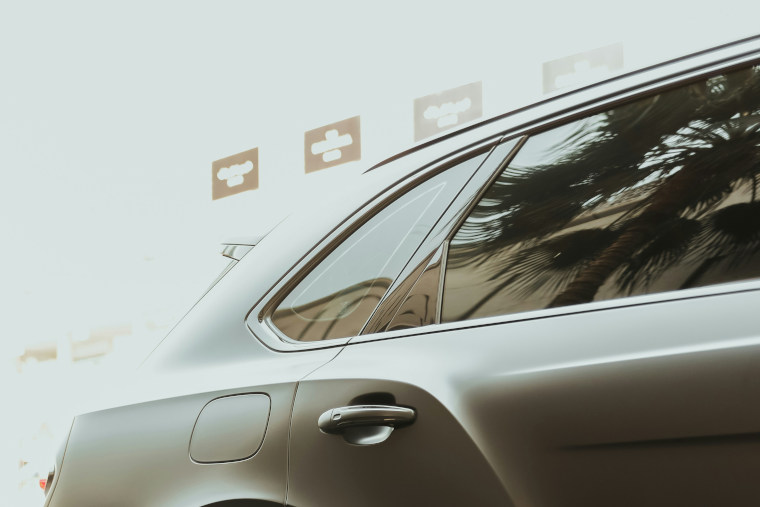 Image source: Dreamer Dude / unsplash.com