Home/Cities of the UAE/DEWA Dubai: A Complete Guide to Utility Services for Residents
12.05.2026
Cities of the UAE
1403
Reading time: 15 minutes
DEWA Dubai: A Complete Guide to Utility Services for Residents
Save the article:
Have you moved to Dubai and don't know how to connect utility services? The DEWA Dubai system may seem complicated to newcomers, but in reality the registration and account management process is quite straightforward, provided you know the correct sequence of steps. Thousands of new residents successfully connect to Dubai Electricity and Water Authority services every month, gaining access to reliable electricity and water supply in one of the world's most modern cities.
What will change after reading this guide? You will gain a clear action plan for connecting to DEWA, learn how to read bills and optimise expenditure, and find out about available tariffs and benefits for different types of property. Whether you are renting an apartment in Downtown Dubai, own commercial property, or manage multiple units, this guide will help you avoid common mistakes and save time on bureaucratic procedures.
What DEWA Dubai is and What Services it Provides
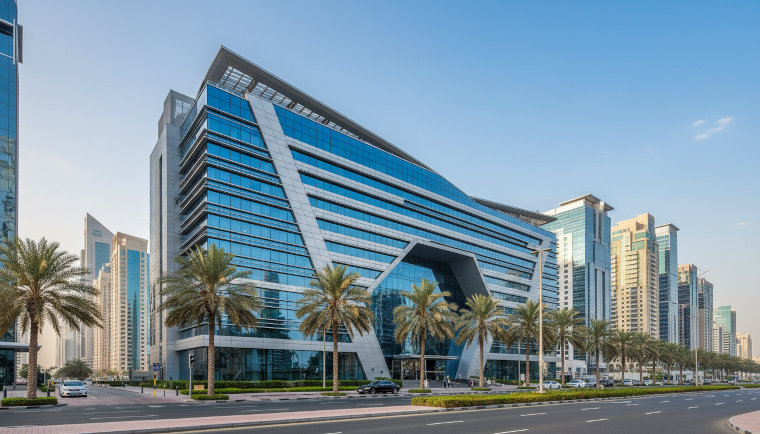
Dubai Electricity and Water Authority (DEWA) is a government organisation that provides utility services to more than 3.5 million residents and 850,000 properties in the emirate of Dubai.
Founded in 1992 through the merger of Dubai Electricity Company and Dubai Water Department, DEWA has become a key driver of the region's economic development and one of the most technologically advanced utility companies in the world.
The history of the organisation's founding and development
DEWA was established by decree of Sheikh Maktoum bin Rashid Al Maktoum to centralise management of Dubai's energy and water infrastructure. Over more than 30 years of operation, the organisation has transformed from a local service provider into a global leader in innovation in the field of smart grid technologies and renewable energy.
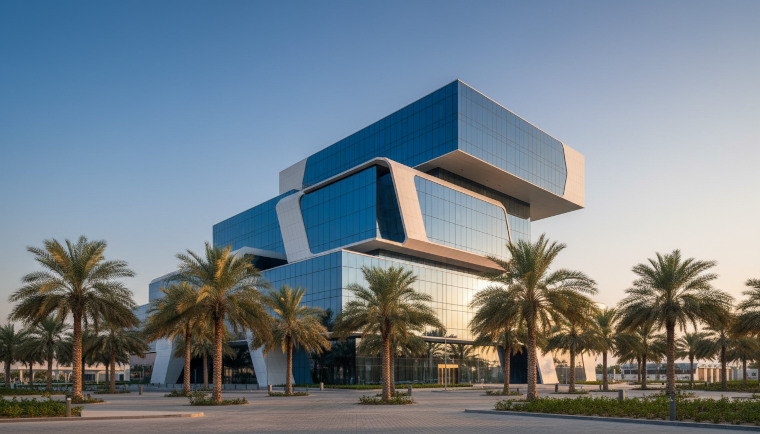
The image was generated using AI technologies
Today DEWA manages generating capacity with a total installed capacity of more than 14,500 MW and maintains electricity supply reliability at 99.99%. The organisation has invested over 86 billion dirhams in infrastructure development over the past two decades.
The organisation's structure and main departments
DEWA's organisational structure comprises several key divisions, each responsible for specific aspects of its activities. The generation department manages 8 power stations and the Mohammed bin Rashid Al Maktoum Solar Park.
The transmission and distribution department maintains more than 65,000 kilometres of electricity transmission lines and 8,500 kilometres of water pipeline networks. The customer service department coordinates the operations of 32 client service centres and digital platforms for account management.
Electricity supply and energy infrastructure
DEWA's electricity supply system covers the entire emirate of Dubai and parts of neighbouring emirates through an integrated high-voltage network. The organisation maintains a stable frequency of 50 Hz and voltage of 380/220 V for domestic consumers, and 11 kV and 33 kV for commercial facilities.
The generation fleet includes modern gas turbine units running on natural gas, alongside a growing share of renewable sources.
Water supply and desalination technologies
DEWA produces more than 470 million gallons of drinking water daily through a network of 9 desalination stations. The organisation uses reverse osmosis and multi-stage distillation technologies to ensure the highest water quality, meeting international WHO and EPA standards.
The water supply system includes 42 reservoirs with a combined capacity of 2.2 billion gallons and pumping stations that maintain pressure of 2–4 bar in residential areas. Water quality is monitored through 2,000 monitoring points across the entire distribution network.
Innovative services and smart city initiatives
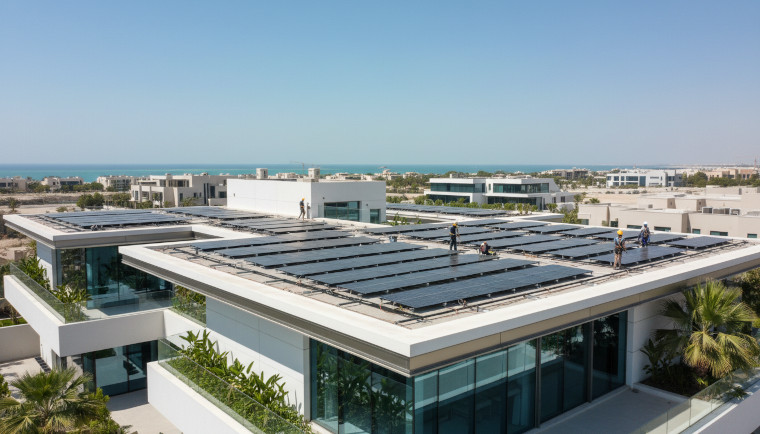
DEWA is actively developing its portfolio of innovative services as part of the smart city concept. The Shams Dubai programme allows property owners to install solar panels on building rooftops and sell surplus energy back to the grid at preferential tariffs.
The image was generated using AI technologies
The Green Charger electric vehicle charging network includes more than 300 charging points across Dubai, supporting CCS, CHAdeMO, and Type 2 standards. The District Cooling system serves large commercial and residential complexes, reducing energy consumption for air conditioning by 40–50%.
Coverage areas and scale of operations
DEWA's service territory covers 4,114 square kilometres, encompassing all districts of Dubai from Jebel Ali to Hatta. The organisation serves both the densely built-up urban areas of Downtown and Marina, and remote suburban zones and industrial clusters.
DEWA annually produces more than 55,000 GWh of electricity and 180 billion gallons of water. Peak load during the summer period reaches 9,500 MW, which requires continuous expansion of generating capacity and modernisation of distribution networks.
Reliability indicators and the investment programme
DEWA demonstrates some of the world's best supply reliability indicators. The average electricity outage duration is less than 2.5 minutes per consumer per year, which is on a par with the standards of advanced European countries.
The investment programme for the period 2023–2027 envisages investments of 86 billion dirhams in the development of generation, network infrastructure, and digital technologies. The priority areas are renewable energy, energy storage, and smart grids.
How to Connect DEWA Services: A Step-by-Step Guide
The process of connecting DEWA services depends on the type of property and your status as an owner or tenant. For residential property, the procedure takes 1–2 working days; for commercial premises — up to 5 working days. The key condition is correct preparation of documents and choosing the appropriate method of submitting an application.
Documents required for registration
The standard package of documents includes an Emirates ID, and a copy of your passport with a visa. Tenants are additionally required to provide the original Ejari (an official tenancy agreement registered with the Dubai Land Department) and a letter from the management company or property owner.
Property owners additionally provide a title deed (a certificate of ownership) and a NOC (No Objection Certificate) from the developer for new properties.
Commercial premises require an extended package: a trade licence, the business owner's immigration card, an approved building plan from the municipality, and a letter from a sponsor for companies with foreign participation. All documents must be translated into English or Arabic and certified by the UAE Ministry of Justice.
Submitting an application via the official DEWA website
Online registration through the official website dewa.gov.ae is the most convenient method for most customers. Create an account by entering your Emirates ID number and contact details. In the "New Connection" section, select the type of property: residential, commercial, or industrial. The system will automatically determine the necessary documents and the applicable tariff category.
Complete the application, indicating the exact address of the premises, the area of the property, and the anticipated electricity consumption. Upload scanned documents in PDF or JPG format, with each file no larger than 2 MB. Once the application has been reviewed, the system will generate a reference number for tracking the status of its processing. Notifications for each stage of processing are sent to the specified e-mail address and by SMS.
Using the DEWA mobile application
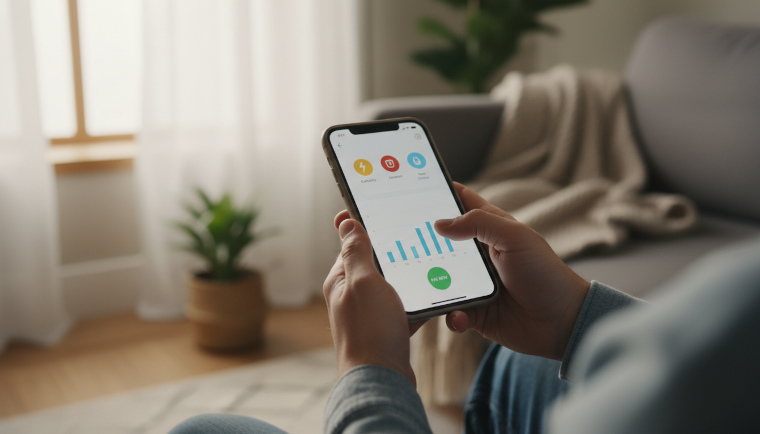
The DEWA Smart App is available for iOS and Android and replicates the functionality of the website with additional features. The "Smart Scan" function allows you to photograph documents directly through the phone's camera, which speeds up the upload process. GPS integration automatically determines the exact coordinates of the premises for correct billing.
The image was generated using AI technologies
The application offers a live chat function with customer happiness centre operators working from 7:30 AM to 3:30 PM. Push notifications inform you of readiness and the scheduled connection date. For commercial customers, extended functionality is available with consumption analytics and bill forecasting.
Visiting customer service centres
Customer happiness centres are located throughout all districts of Dubai and operate from Saturday to Thursday, from 7:30 AM to 3:30 PM. A personal visit is recommended for complex cases: connecting industrial facilities, premises with non-standard load requirements, or where there are outstanding balances from previous bills. Specialists carry out a preliminary document check and advise on the optimal tariff plan.
To save time, use the online appointment booking system on the website or via the application. Select your nearest centre, a convenient time, and the type of service. At the appointed time, arrive with original copies of all documents and a printed application. The average service time is 15–20 minutes.
Receiving a premise number and activating services
After an application is approved, DEWA assigns a unique identification number for billing and servicing purposes. The number is sent by SMS and is duplicated in the personal account on the website. For residential properties it is generated automatically; for commercial premises — after a technical inspection of the property.
Electricity is activated within 24 hours of receiving the number for standard connections. Commercial premises with a load exceeding 100 kW require the installation of additional equipment, which extends the timeframe to 3–5 working days. DEWA's technical department notifies customers of the exact activation time one day prior to connection.
Specifics for different property categories
Property owners can arrange connections for multiple units through a single account with consolidated billing. This option is particularly convenient for managing a rental portfolio. Tenants moving to new accommodation can transfer an existing account to a new address without resubmitting documents, using the "Transfer Connection" function.
Commercial premises are classified by type of activity: office, retail, restaurant, industrial. Each category has specific requirements regarding connection capacity and metering systems.
Restaurants and industrial facilities undergo a mandatory technical inspection prior to electricity activation. Office premises in licensed business centres are connected via a simplified procedure through the building's management company.
DEWA Tariffs and the Payment Calculation System
DEWA's tariff system is built on the principle of progressive tiers, whereby the cost of each kilowatt-hour increases with rising consumption. This encourages economical use of electricity and water — particularly relevant in the hot climate of Dubai. Understanding the tariff structure will help you plan expenditure and optimise consumption of utility resources.
Residential electricity tariffs
A four-tier tariff system applies to residential property. The first tier, from 0 to 2,000 kWh, costs 23 fils per kWh — this is the base rate for moderate consumption. The second tier, from 2,001 to 4,000 kWh, costs 28 fils per kWh, which corresponds to the consumption of an average family with active use of air conditioning.
The third tier, from 4,001 to 6,000 kWh, is charged at 32 fils per kWh — this level of consumption is typical of large apartments or villas. The fourth tier, exceeding 6,000 kWh, costs 38 fils per kWh and applies to high-energy-consumption properties, including villas with swimming pools and extensive air-conditioning systems.
Commercial tariffs and water tariffs
Commercial premises pay for electricity at a flat rate of 38 fils per kWh, regardless of consumption volume. An additional capacity charge of 30 dirhams per kW of installed capacity per month is also levied, which is especially important to bear in mind when budgeting for industrial enterprises.
Water tariffs are similarly structured by consumption tiers. The first 5,000 gallons cost 3.5 dirhams per 1,000 gallons, the next 5,000 gallons — 4.5 dirhams, and anything above 10,000 gallons — 6.5 dirhams per 1,000 gallons. Sewerage services are charged at 50% of the cost of water consumed.
The structure of a DEWA bill and additional charges
Each DEWA bill contains several components in addition to the main charges for electricity and water. The municipality fee amounts to 5% of the total electricity and water consumption charges. The housing fund fee is levied at 5% on residential properties only and is directed towards the development of social housing in the emirate.
VAT at 5% applies to the full bill amount, including the main charges and additional fees. The bill may also include a meter rental charge — 7 dirhams per month for the electricity meter and 3 dirhams for the water meter. The fuel surcharge varies depending on global energy prices and ranges from 5 to 7 fils per kWh.
The DEWA deposit system
The security deposit with DEWA is calculated on the basis of anticipated monthly consumption and property type. For studios the deposit is 2,000 dirhams; for one-bedroom apartments — 2,000–4,000 dirhams depending on the floor area. Two- and three-bedroom apartments require a deposit of between 4,000 and 8,000 dirhams.
The image was generated using AI technologies
Villas require higher deposits: townhouses range from AED 8,000 to AED 15,000, while detached villas range from AED 15,000 to AED 30,000. Commercial premises pay a deposit equivalent to three months of anticipated consumption, but not less than 3,000 dirhams. The deposit is returned upon account closure, following settlement of all outstanding balances.
Example calculations for typical residential properties
Let us consider the calculation for a two-bedroom apartment with a monthly consumption of 3,500 kWh. First 2,000 kWh: 2,000 × 0.23 = 460 dirhams. Remaining 1,500 kWh at the second tier rate: 1,500 × 0.28 = 420 dirhams. Total electricity charge: 880 dirhams.
For water consumption of 8,000 gallons: the first 5,000 gallons cost 17.5 dirhams, the next 3,000 gallons — 13.5 dirhams. Total water charge — 31 dirhams; sewerage — 15.5 dirhams. Added to the main charges are: municipality fee at 5% — 46.3 dirhams; housing fund fee at 5% — 46.3 dirhams; fuel surcharge — approximately 175 dirhams; VAT at 5% — 59.6 dirhams.
For a villa with consumption of 8,000 kWh, the calculation is as follows. First tier: 460 dirhams; second tier: 560 dirhams; third tier: 640 dirhams; fourth tier: 760 dirhams. The total electricity charge will amount to 2,420 dirhams, which, taking into account all fees and VAT, may reach 3,200–3,500 dirhams per month depending on water consumption and current fuel surcharges.
Methods for Paying DEWA Bills
DEWA offers numerous convenient ways to pay utility bills, tailored to the needs of different categories of consumers. The bill payment system includes both traditional methods via banks and cash payments, and modern digital solutions with the ability to set up automatic payments.
Online payments via the official website and mobile application
The most popular payment method is via the official DEWA portal and the SmartDubai mobile application. Online payment is available around the clock and attracts no commission when using debit cards from local banks — Emirates NBD, ADCB, FAB, and ENBD. For international Visa and Mastercard cards, a commission of 2.5% of the payment amount is charged.
The image was generated using AI technologies
Payments through a DEWA account are credited instantly, and a notification of receipt of funds arrives within 15 minutes. The system supports the saving of card details for quick repeat payments, but requires CVV code confirmation with each transaction for security purposes.
Bank transfers and internet banking
All major UAE banks are integrated with DEWA's payment system. Emirates NBD, ADCB, RAKBANK, and First Abu Dhabi Bank offer direct payment via internet banking with no additional fees. RTGS bank transfers are processed within 2–4 hours on working days.
When setting up a bank transfer, it is important to enter the exact DEWA account number (Premise Number) in the payment reference field. Errors in the payment details may result in a delay (24–48 hours) in crediting and the need to contact customer support to reconcile the payment.
ATMs and bank branch cashiers
The ATM networks of Emirates NBD, ADCB, and FAB support direct payment of DEWA bills in cash or by card. ATM interfaces are available in English and Arabic, and the maximum cash payment amount is 10,000 dirhams per transaction.
Bank branch cashiers accept cash payments with a fee of 5 dirhams per transaction. Processing time for payments made at cashiers is 4–6 hours on working days. Payments made at weekends are processed on the first working day, with the actual date of payment recorded.
DEWA self-service kiosks
Specialist DEWA payment terminals are installed in Dubai Mall, Mall of the Emirates, and Ibn Battuta Mall. The kiosks accept cash banknotes in denominations of 5, 10, 20, 50, 100, and 500 dirhams, as well as bank cards from all major payment systems.
The commission for using the terminals is 2 dirhams when paying in cash, and there is no commission when paying by card from a local bank. The terminals issue detailed receipts with a QR code for tracking the payment status via the mobile application.
DEWA customer service centres
Payments in cash and by card are accepted at 11 DEWA offices across Dubai. The centres operate from 7:30 AM to 2:30 PM, Sunday to Thursday. Specialists assist with setting up automatic payments, explain disputed charges, and issue certificates of no outstanding debt.
When visiting in person, it is advisable to book your place in the queue via the DubaiNow application in order to reduce waiting time. The average service duration is 15–20 minutes, depending on the complexity of the query.
Setting up automatic payments
An automatic payment is set up via the DEWA personal account or mobile application by linking a bank card or account. The system supports three modes: full payment of the bill, a fixed monthly sum, or payment when a specified consumption limit is exceeded.
Automatic payments are debited 3 days before the service disconnection date shown on the bill. If funds are insufficient, the system makes a further attempt to debit 24 hours later, after which an SMS notification is sent advising that manual payment is required.
Consequences of late payment
Late payment incurs a penalty of 50 dirhams for each full month of delay for residential properties, and 100 dirhams for commercial ones. If payment is delayed by more than 60 days, DEWA sends a written notification of the planned disconnection of services within 10 working days.
Electricity disconnection is carried out remotely via smart meters, and restoring the supply requires full settlement of the outstanding balance plus penalties and a reconnection fee of 200 dirhams.
Water supply is physically disconnected at the building's inlet, which requires a visit from the technical service team and may take up to 48 hours to restore.
Energy-Saving Programmes and Renewable Energy
DEWA is actively promoting the concept of sustainable development through comprehensive energy-saving programmes and the introduction of renewable energy sources. The Clean Energy Strategy 2050 is aimed at producing 75% of energy from clean sources by 2050.
The Shams Dubai programme: solar energy for the home
The Shams Dubai programme allows property owners to install solar panels on building rooftops and sell surplus electricity back to the grid. The system provides a two-way connection, whereby consumers become producers.
To participate in the programme, certain technical requirements must be met: an installation capacity of between 1 kW and 2 MW for residential properties, the use of certified equipment meeting international IEC standards, and the availability of the building's technical passport.
The connection procedure involves submitting an application via the DEWA portal, a technical survey of the property by DEWA engineers, installation of a bidirectional meter, and signing a grid connection agreement.
The tariff for selling electricity to the grid is 0.184 dirhams per kWh for residential properties, and varies for commercial premises depending on the installation capacity. With an average household consumption of 1,200 kWh per month and a 5 kW system installed, the return on investment is 6–8 years, taking into account savings on bills and income from sales.
Energy efficiency improvement initiatives
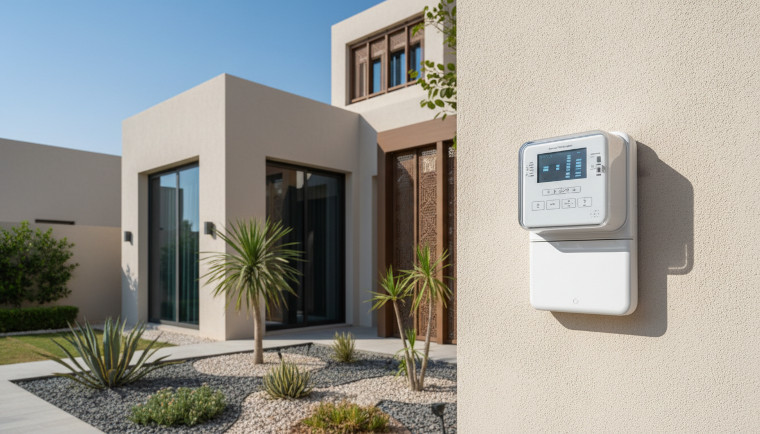
The Demand Side Management programme is aimed at optimising consumption through the introduction of smart technologies and changes to consumer behaviour patterns. Smart meters automatically transmit real-time consumption data, enabling resource usage to be monitored via the DEWA Smart mobile application.
The Green Building initiative incentivises the construction of energy-efficient buildings through a certification system and preferential tariffs. Buildings with a LEED or BREEAM certificate receive discounts of up to 20% on connection and reduced electricity tariffs during the first three years of operation.
Practical tips for reducing consumption
Optimising the air-conditioning system yields the greatest savings in Dubai's climate. Setting the thermostat to 24°C instead of 20°C reduces consumption by 30–40%, while the use of programmable thermostats provides an additional 15% in savings. Replacing conventional bulbs with LED lighting reduces lighting costs by up to 80%.
For water conservation, aerators on taps, water-saving shower heads, and rainwater collection systems for irrigation are all effective measures. Regular plumbing maintenance and prompt repair of leaks can prevent losses of up to 20% of total water consumption.
Government incentives and savings statistics
The Dubai government provides tax incentives for investment in renewable energy projects, including exemption from customs duties on the import of solar equipment and preferential lending through Emirates Development Bank. The Green Fund awards grants of up to 500,000 dirhams for innovative clean energy projects.
DEWA statistics show that participants in energy-saving programmes achieve savings of 25–35% on utility bills. In 2023, solar panels with a combined capacity of 180 MW were installed through the Shams Dubai programme, resulting in a reduction in CO₂ emissions of 85,000 tonnes. The average household saving is 350–500 dirhams per month when a comprehensive approach is taken.
The Solarize programme offers group purchases of solar panels at a discount of up to 25%, making the transition more accessible for residents. DEWA's advisory centres provide free energy audits and personalised consumption optimisation recommendations for each type of property.
Frequently Asked Questions
How much does DEWA connection cost?
The cost of connecting to DEWA Dubai depends on the type of property and includes several mandatory components. For residential property, the base fee is 110 AED for electricity and 110 AED for water, plus a refundable deposit of 2,000 AED for apartments and 4,000 AED for villas.
Commercial premises require a deposit of between 4,000 and 10,000 AED depending on the floor area and type of activity. An additional meter activation fee of 25 AED per service is also charged.
Is an Ejari required to connect to DEWA?
An Ejari is a mandatory document for connecting DEWA Dubai services as a property tenant. This tenancy contract, registered with the Dubai Land Department, confirms your legal right to reside at a specific property. Without a valid Ejari, DEWA will be unable to arrange a connection in your name. Property owners provide title deeds in place of an Ejari.
How long does it take for DEWA services to be activated?
The standard activation time for DEWA services is 24–48 hours after an application is submitted and all fees have been paid. In the case of new connections or technical works, the process may take up to 5 working days. A same-day activation express service is available for an additional fee of 200 AED and guarantees connection within 4–6 hours. The status of an application can be tracked via the DEWA mobile application or the official website.
What should I do if I receive a high DEWA bill?
Upon receiving an unexpectedly high DEWA bill, the first step is to check the meter readings and compare them with previous periods via the application or website. Contact the customer happiness service for a detailed consumption analysis and a possible adjustment of calculations.
The image was generated using AI technologies
DEWA provides a free energy audit to identify the causes of elevated consumption. In the event of a technical fault with the meter, the company will carry out an inspection and issue a revised calculation at no additional charge.
Can DEWA bills be paid in instalments?
DEWA does not offer an official instalment payment programme, but does provide several alternative solutions for managing expenditure. The monthly billing system allows you to receive bills more frequently for better consumption monitoring.
In the event of temporary financial difficulties, you may contact the customer happiness service for individual consideration of your situation. Automatic payment via a bank helps to avoid late payment penalties and to spread the financial burden.
How do I disconnect DEWA services when moving?
To disconnect DEWA services when moving, you must submit an application for a final bill settlement at least 2 working days before the planned date.
The procedure involves taking a final meter reading, calculating the final bill, and returning the deposit to a bank account within 10–15 working days. The application can be submitted online via the DEWA website, the mobile application, or in person at a customer happiness centre. Be sure to retain the certificate of no outstanding debt for future connections.
Does DEWA operate on weekends?
DEWA customer happiness centres operate from Saturday to Thursday, from 7:30 AM to 3:30 PM; Friday is a day off in accordance with the working calendar. Online services, the mobile application, and the automated telephone line function around the clock, seven days a week.
The emergency service for electricity and water outages is available 24/7. Bill payment via ATMs, online banking, and the application is also available without any time restrictions.
Article header image was generated using AI technologies
Where to invest money in the near future? Where to invest money in the UAE? Attractiveness of investing money in the UAE. Investment directions in the UAE. Investing in UAE real estate. Investment obj...
What is a townhouse and how is it laid out? How does a townhouse differ from other housing formats? Advantages and disadvantages of a townhouse. How to choose and buy a townhouse. Frequently asked que...
Distance and journey time from Dubai to Fujairah. Bus E700: the cheapest option. Taxi and transfer from Dubai to Fujairah. Driving from Dubai to Fujairah. How to get from Abu Dhabi to Fujairah? Conclu...
The Dubai Mall. Mall of the Emirates. Dubai Marina Mall. Ibn Battuta Mall. Dubai Festival City. Frequently asked questions about shopping centres in Dubai.
Dubai as a city attractive to crypto investors. Types of crypto banking accounts that can be opened in Dubai. Specifics of cryptocurrency exchange in Dubai. Crypto zones in Dubai. Cryptocurrency regul...
How many mosques are there in the UAE? 4 beautiful mosques in the UAE. The most beautiful mosque in the UAE. Frequently asked questions about the number of mosques in the UAE.
UAE and Saudi Arabia: what they have in common and their key differences. Culture, laws and way of life: what is the difference? Economy, business and employment opportunities. Tourism and expat life:...
Qatari citizenship: general characteristics and nuances. Grounds and ways for obtaining Qatari citizenship. How to obtain Qatari citizenship: a step-by-step guide. Rights, privileges and alternatives ...



 The image was generated using AI technologies

 The image was generated using AI technologies

 The image was generated using AI technologies

 The image was generated using AI technologies
 The image was generated using AI technologies


 The image was generated using AI technologies