How many mosques are there in the UAE and which of them are the most beautiful
Save the article:
How many mosques are there in the UAE? There are almost 10 thousand of them. But it's not about the quantity, but rather how majestic the mosques look. Many of them are open for visits by Muslims and tourists. Foreign visitors, of course, are not allowed into the halls, but they are allowed to appreciate the rich interior decoration.
What to consider? When visiting the UAE, it is recommended to visit the Sheikh Zayed Grand Mosque, which is considered to be one of the six largest in the world. It was built in honour of the founder and first president of the emirates, who is buried nearby.
How many mosques are there in the UAE
The United Arab Emirates is a unique country located in the Middle East. The country consists of seven emirates, including such well-known ones as Dubai, Abu Dhabi and Ras Al Khaimah, and each emirate possesses its own cultural and traditional identity.
The UAE is known for its rich history and archaeological findings that testify to the ancient heritage of the region. The locals deeply respect their culture and traditions, and the country is famous not only for its luxurious resorts and hotels but also for its enormous shopping centres. It is in the UAE that the Burj Khalifa stands — the tallest building in the world, symbolising the aspiration for new heights.
In total, the UAE has about 9,123 mosques, making the country one of the world leaders in the number of mosques per capita. This fact is not surprising, considering that 76% of the country's residents practise Islam, which is the state religion of the UAE.
Image source: Nick Fewings / unsplash.com
Besides Muslims, 9% of the population are Christians, 10% are Buddhists and Hindus, and another 5% practise other religions. The UAE also has 59 religious sites belonging to representatives of other faiths.
4 Beautiful Mosques in the UAE
Few Muslim countries have as many mosques as there are in the UAE. The names of the most beautiful of them:
Al Rahim Mosque
One of the significant spiritual and cultural places that attracts attention not only from local residents but also from tourists. Located in the heart of the city, it serves not only as a religious centre but also as a symbol of unity and peace.
The name “Al Rahim” translated from Arabic means “Merciful”, which reflects the core values of Islam — care, compassion and love for one's neighbour. The architecture of the mosque is impressive: its tall minarets, elegant arches and beautiful mosaics create an atmosphere of tranquillity and harmony.
Particularly noteworthy are the magnificent domes, adorned with golden ornaments, which shine in the sunlight against the blue sky and create an unforgettable view.
Inside the mosque, visitors are greeted by an atmosphere of calmness and respect. Regular prayers, lectures and cultural events are held there, aimed at education and dissemination of knowledge about Islam. The mosque is open to all who wish to visit, and its doors are wide open to people of all faiths who desire to learn more about Muslim culture and traditions.
Educational programmes, assistance to those in need, as well as cultural events aimed at strengthening friendship and mutual understanding between different cultures are conducted there.
Jumeirah Mosque
Jumeirah Mosque is one of the most impressive structures built out of pink sandstone in an elegant Fatimid style. Its majestic minarets and strict architectural lines immediately attract attention. The mosque is not only an architectural masterpiece but also a place where anyone, regardless of their faith, can immerse themselves in Islamic culture and observe the prayer process.
Tours of the mosque are conducted several times a week, and visitors are offered special clothing to comply with the dress code. The mosque is located in a picturesque area, and its beauty can be seen even during a casual stroll along the waterfront. This place is open to all who want to better understand Islam.
A tour of the mosque is an excellent opportunity to deepen your understanding of Islamic traditions. Tours take place on specific days and begin in the morning, which gives you the opportunity to fully enjoy the beauty and atmosphere of this unique architectural monument. When entering the mosque, you need to take off your shoes and wear special clothing, which emphasises respect for religious norms.
Image source: Ajit Sandhu / unsplash.com
It is recommended to allocate time for photographs against the backdrop of the mosque, especially during sunset hours, when soft light gives the mosque a special beauty. This mosque is not just an architectural wonder, but also a space for dialogue that promotes understanding and acceptance of other cultures.
Main features:
The mosque warmly welcomes everyone, regardless of their religion.
The tours help to better understand Islamic traditions and culture.
The fascinating architecture of the mosque leaves an unforgettable impression.
The sunset creates a special atmosphere, highlighting the beauty of the structure.
It is an important centre for intercultural communication, promoting the development of tolerance.
Before visiting the mosque, you should find out the tour schedule in advance and prepare for possible queues.
Al Bidya Mosque
Al-Bidyah Mosque is not just an ancient architectural monument, but also a living witness to the past, which remains a significant part of the culture and history of the region. Being one of the oldest mosques in the Middle East, it attracts tourist attention with its authentic atmosphere, where time seems to stop among traditional domes and massive columns.
Near the mosque, you can find an ancient Portuguese fort and a legendary tree, touching which, according to legend, brings good luck. Inside the mosque, visitors can see rare manuscripts of the Quran and enjoy magnificent landscapes of the mountains and the ocean. It is important to remember about the dress code when visiting this sacred place.
Visitors should prepare for the visit in advance: it is recommended to wear an abaya and a headscarf, these clothing items are mandatory for entry. Inside the mosque, there is silence and peace, which allows you to fully experience the spiritual atmosphere of this sacred place.
Keep in mind that it can be hot during the daytime hours, so it's better to come in the morning or evening. Be sure to remove your shoes before entering and treat those praying with respect by maintaining silence.
Main features:
One of the oldest mosques in the Middle East.
Unique atmosphere of antiquity and peace.
Rare manuscripts of the Quran, available for viewing.
Proximity to Portuguese forts with magnificent views.
Entry is free, but adherence to the dress code is mandatory.
Important to consider:
It can be quite hot during the day, so you should wear light clothing.
On Fridays, access may be limited, so it's better to check the schedule in advance.
Al Noor Mosque
Al Noor Mosque attracts visitors with its grandeur and atmosphere of tranquillity. Located on a picturesque waterfront, it is visible from different sides, impressing with its architectural beauty. Inside, coolness and silence reign, and tourists are offered fascinating excursions that allow them to delve deeper into Islamic culture and traditions.
A walk on Al Noor Island with its butterfly garden and shady palms will be an ideal addition, especially for those travelling with family. This place allows you to relax in peace and quiet away from the hustle and bustle of the big city.
The best time to visit the mosque is in the morning, when the doors are open to everyone who wants to experience Islamic culture and immerse themselves in a calm atmosphere.
Main features:
Impressive architecture and luxurious decoration of the mosque.
Friendly staff and free tours.
An opportunity to enjoy the mosque without large crowds of people.
Magnificent views and tranquillity on Al Noor Island.
Important to consider:
Visiting the mosque is only available on certain days, so it's better to check the schedule in advance.
Don't forget to bring traditional clothing or use what is provided on site.
The Most Beautiful Mosque in the UAE
Sheikh Zayed Grand Mosque, located in Abu Dhabi, ranks among the six largest mosques in the world. It is named after Sheikh Zayed bin Sultan Al Nahyan, the first president of the UAE and founder of the country, who is buried nearby. The official opening of the mosque took place during the holy month of Ramadan in 2007.
One of the unique features of Sheikh Zayed Grand Mosque is its accessibility to all who wish to visit, regardless of their faith, which distinguishes it from most other mosques where only Muslims are allowed. Entry and tours there are free, which attracts a huge number of visitors.
Image source: Marios Gkortsilas / unsplash.com
The height of the mosque reaches 107 metres, and its area is an impressive 12 hectares, which allows it to accommodate up to 40 thousand people simultaneously.
The architectural splendour of the building is emphasised by the use of white marble brought from China, Greece and Italy. The courtyard is adorned with patterns of white and coloured stone, which create impressive mosaic pictures.
On each of the four corners of the mosque rise minarets over 100 metres high. The main building is decorated with 82 domes, which gives the complex a majestic appearance.
Inside the mosque is spread the largest carpet in the world, created according to the design of the famous Iranian artist Ali Khaliqi.
The interior of the mosque also impresses with its lighting — seven large chandeliers from Germany, decorated with gold leaf and Swarovski crystals.
Until 2010, the main chandelier of the mosque was considered the largest in the world, until it was surpassed by a chandelier installed in Qatar. However, it remains the largest chandelier specifically located in a mosque.
The territory of the mosque is complemented by pools and fountains, in which this grandiose structure is reflected, enhancing its monumental appearance.
The galleries of the mosque contain over a thousand columns, crafted in the traditions of 16th-century Italian craftsmanship, with exquisite patterns inlaid with precious stones.
The mosque can be visited during both daytime and evening hours. During the day, the snow-white walls shine particularly brightly under the sun's rays, and in the evening, the illumination gives them a magical atmosphere, creating a sense of fairy tale.
The building impresses with its beauty, but there are a number of rules for visitors. Women need to wear special cloaks that completely cover the body and head, which are provided at the entrance. Men are recommended to come in clothing with long sleeves and trousers.
Photography is allowed almost everywhere in the mosque, with the exception of Sheikh Zayed's burial place. The resulting photos and memories will be unforgettable for everyone who visits this majestic place.
Frequently Asked Questions about the Number of Mosques in the UAE
How many mosques are there in the UAE now?
According to official data, Dubai has 1,418 mosques, Abu Dhabi has 2,289, and Sharjah has 600.
How many mosques are planned to be built in the UAE in figures?
In the coming years, 225 new mosques will be built in the UAE. The General Authority of Islamic Affairs and Endowments has allocated land plots in different emirates for this construction.
According to the plans, the mosques will be designed to accommodate a number of believers from 150 to 1,500 people, and the budget for their construction varies from 3 to 20 million dirhams. These mosques will replace temporary prayer rooms, such as trailers and pavilions.
What is the capacity of the mosques?
In Dubai, the largest number of mosques are located in the areas of Deira and Bur Dubai — 438 and 633 respectively. The rest of the mosques are located in rural areas. About 12% of Dubai's mosques are designed for more than 1,000 worshippers. More than a third of the mosques accommodate up to 100 people, another third — from 200 to 400.
As you can see, the UAE has many mosques, each of which is unique. Some of them are open to everyone and provide an opportunity to get acquainted with the traditions of Islam and local culture.
The creation and development of the World Islands. Infrastructure of the World Islands. Location and transport accessibility of the World Islands. Real estate on the World Islands. Frequently Asked Qu...
What DEWA Dubai is and what services it provides. How to connect DEWA services: a step-by-step guide. DEWA tariffs and the payment calculation system. Methods for paying DEWA bills. Energy-saving prog...
General information about bus travel in Dubai. Rules of conduct in Dubai public transport. Bus fare in Dubai. Ways to find out Dubai bus schedules. Sightseeing buses in Dubai. Popular tourist bus rout...
What real estate is and which types of property are legally classified as such. What are the main types of real estate? What types of residential and commercial real estate exist? How to register righ...
Specifics of life in Abu Dhabi. Popular vacancies for Russians in Abu Dhabi. Requirements for job seekers in Abu Dhabi. Where to look for work as a Russian in Abu Dhabi. Frequently asked questions abo...
Sea and gulf — what is the difference? The Persian Gulf — the main waterway of the UAE. Water temperature, sharks and the best seasons. Dubai's beaches and artificial islands. Activities and attractio...
What is Dubai Outlet Mall: the first outlet in Dubai. Where the outlet is in Dubai: address, location and opening hours. Shops at Dubai Outlet Mall: brands and categories. Infrastructure, restaurants ...
History of oil production in Dubai. Volumes and the significance of oil for modern UAE and Dubai. Major oil-producing companies of the United Arab Emirates. Frequently asked questions about oil in Dub...
Mortgages in Dubai are available to foreign citizens, which is why many consider purchasing residential property in one of the world's wealthiest cities.



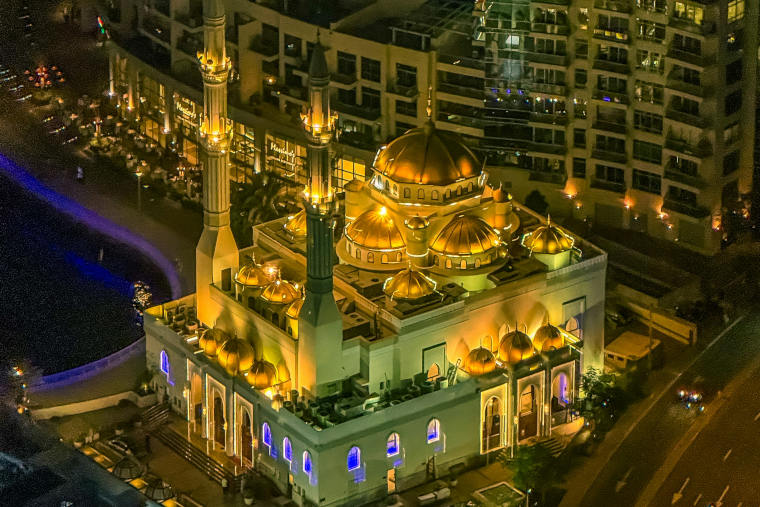 Image source: Nick Fewings / unsplash.com

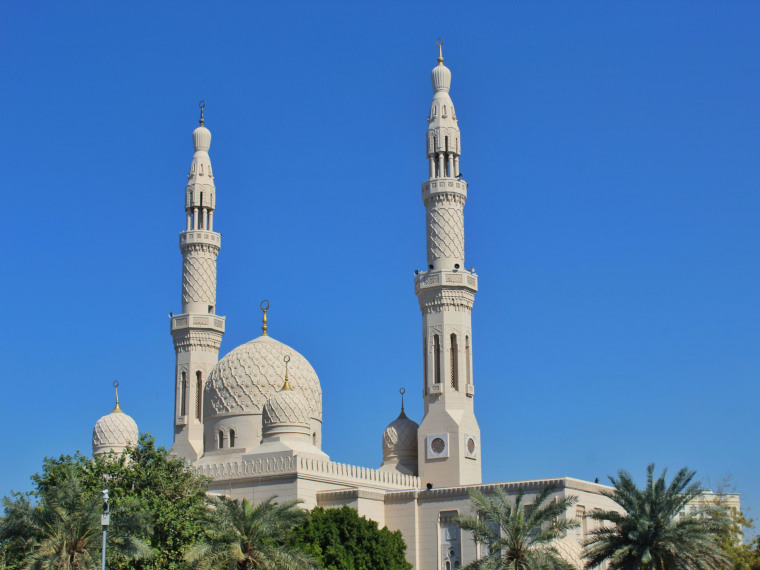 Image source: Ajit Sandhu / unsplash.com

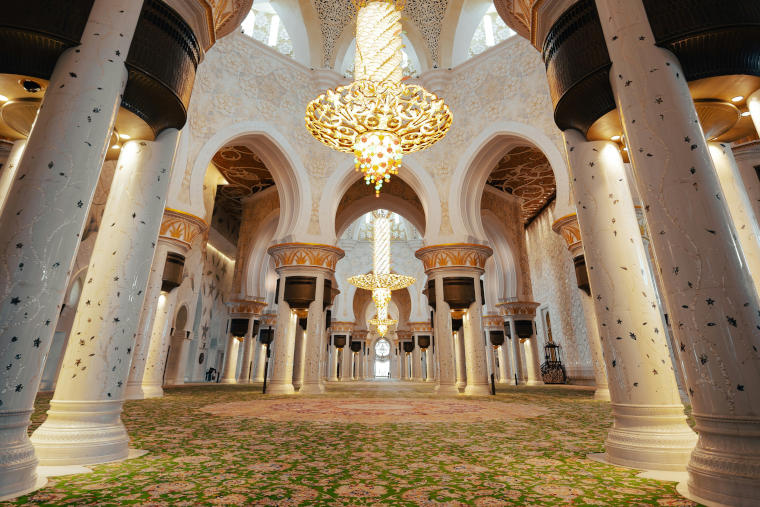 Image source: Marios Gkortsilas / unsplash.com