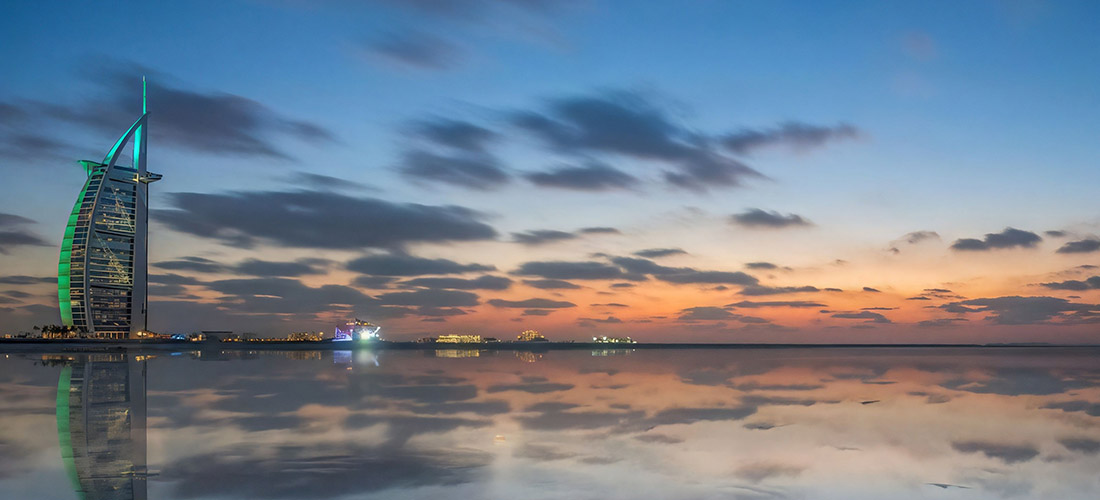
Is it safe to fly to Dubai? On the whole, yes, although some risks do still exist owing to the escalation of the conflict in the Middle East. For this reason, the decision to visit the Emirates should be made with certain factors in mind.
What is important? During a stay in Dubai today, it is advisable not only to follow the rules that usually apply there but also to adopt a few new ones. For example, note down the contact details of the Russian Embassy in the Emirates and the Consulate General in Dubai, and keep track of the recommendations issued by the Russian Ministry of Foreign Affairs.
The Essence of the Conflict in the Middle East
In early March 2026, Iran responded to the military actions of the USA and Israel with missile and air strikes on American bases and facilities in the Persian Gulf states and neighbouring countries. The targets included the Al Dhafra military facility near Abu Dhabi. Due to the threat, Dubai's airports temporarily suspended operations with no set end date, after which Russian and other foreign carriers cancelled their flights.
In Dubai alone, more than 20,000 Russians were unable to fly out on time. Some tourists' paid hotel stays ran out, airlines did not provide meals, and fraudsters offered fictitious evacuation options for money.
From 2 March, carriers began operating repatriation flights to Russia. Passengers were sent home in turn, with their previously purchased tickets rebooked in advance.
After the geopolitical situation stabilised and a memorandum was signed between Washington and Tehran, the Russian Ministry of Foreign Affairs withdrew its recommendation to refrain from travelling to the Persian Gulf countries on 19 June.
However, on 15 July, the confrontation between the USA and Iran resumed. The IRGC (Islamic Revolutionary Guard Corps) responded with strikes on American bases in Bahrain, Jordan and Kuwait. On the same day, the Ministry of Foreign Affairs asked Russians in the Persian Gulf states to exercise the utmost caution, to stay in touch with carriers and tour operators, and to follow announcements from the ministry and local authorities.
When the Situation with Flights to Dubai Returned to Normal
It is important to distinguish between closing a country and restricting the tourist market: entry into the UAE was never suspended; Russian tour operators were merely advised not to sell package tours. Legally, this was not a ban, although market participants effectively treated the measure as one.
Image source: David Rodrigo / unsplash.com
The spring situation also showed the difference between a package trip and independent travel. The recommendations applied to tourist products combining flights and accommodation and sold by a tour operator. Meanwhile, independent travellers continued to buy air tickets separately and book hotels via online marketplaces. Thus, the restrictions affected organised tourism rather than the travellers entering the country.
The difficulty lay not in crossing the Emirates' border but in legally selling a package. For this reason, many tourists bought their flights independently and arranged accommodation through foreign websites and booking services.
The package format does, however, have an important advantage. If federal authorities officially confirm a threat to tourists' health and lives in the destination country, the operator must refund the buyer the full cost of the tour.
An independently organised trip has no such protection: whether you can get your money back depends on the fare conditions and the rules of the particular hotel.
The resumption of flights took place in stages. Scheduled air services were restored first: on 14 May, Aeroflot announced that it would resume flying to Dubai once a day from 1 June and twice a day from July. Package tours still remained unavailable, which is why the market described the situation as "you can fly, but you can't holiday".
The turning point came on 19 June, when the Russian Ministry of Foreign Affairs withdrew its recommendation not to visit the region. After that, the Ministry of Economic Development lifted restrictions for six Persian Gulf countries at once. As early as 20 June, dozens of package offers for the nearest dates appeared on aggregators.
As of August 2026, the destination is operating normally: flights are running, tours are being sold officially, and Russian citizens do not need a visa. Market participants have particularly high hopes for the autumn and winter season: people who postponed their spring trips are already considering the November holidays and the New Year period.
Current Situation With Flights to Dubai
Approximately 95 flights a week currently operate between Russia and the UAE. Following the spring crisis, airlines are gradually restoring their programmes and plan to roughly triple capacity compared with July by the end of October 2026.
In mid-July 2026, scheduled passenger flights connected Russia and the UAE on 11 routes. Departures were available from Moscow, St Petersburg, Sochi, Makhachkala, Mineralnye Vody, Yekaterinburg and Kazan. Aircraft arrived at Dubai International Airport (DXB) and the airport of the capital, Abu Dhabi (AUH).
Services are provided by four companies: Aeroflot, Emirates, flydubai and Etihad Airways. There are at least three flights a week between Yekaterinburg or St Petersburg and Dubai, and Emirates flies from Moscow to Dubai three times a day. Etihad serves the Moscow–Abu Dhabi route at the same frequency.
In total, the companies operate around 95 departures a week. Taking into account the aircraft types used, total supply is estimated at 18,000–22,000 seats weekly, depending on the period. Monthly capacity amounts to approximately 75,000–80,000 people in each direction.
The actual number of passengers depends on load factors and the specific aircraft models. It should also be borne in mind that some routes were served at varying frequencies over the course of the month.
Moscow remains by far the main point of departure: it accounts for approximately 75% of all flights between the two countries and almost 80% of seat capacity. This is ensured by seven daily departures by Aeroflot, Emirates and flydubai to Dubai and a further three daily Etihad flights to Abu Dhabi.
Sochi comes next, with around 7% of flights and 5–6% of available seats. Makhachkala and Mineralnye Vody each account for approximately 4% of departures and 3% of potential passenger traffic. Yekaterinburg, Kazan and St Petersburg each provide approximately 3% of flights. At the same time, St Petersburg accounts for around 5% of capacity thanks to Emirates' wide-body Boeing 777.
Among destination airports, Dubai's DXB is the clear leader: 92–94% of passengers on this route pass through it.
What to Expect by Late October 2026
By the end of the summer schedule, that is, by the end of October 2026, the route network between the UAE and Russia is expected to expand significantly.
Direct services are planned from as many as 15 Russian cities: Moscow, St Petersburg, Sochi, Yekaterinburg, Kazan, Krasnodar, Samara, Novosibirsk, Ufa, Mineralnye Vody, Makhachkala, Grozny, Surgut, Tyumen and Volgograd.
Flights are set to link Russian cities with five airports in four emirates: DXB and DWC in Dubai, AUH in Abu Dhabi, SHJ in Sharjah and RKT in Ras Al Khaimah. The number of carriers operating on the route is planned to increase from four to ten.
Air Arabia (to Sharjah and Ras Al Khaimah), as well as Pobeda, Ural Airlines, Utair, Azimuth and Red Wings, intend to resume the flights. At the same time, Emirates, flydubai, Etihad Airways and Aeroflot, which are already present on the market, plan to expand their schedules.
The growth will affect not only the number of routes but also flight frequency. For instance, flydubai intends to operate up to seven flights a day from Moscow, and the total number of weekly departures from Sochi may reach 16.
Judging by the data currently available in Air Arabia's booking system, up to four daily flights from Moscow to Sharjah are planned by the end of October 2026. The company also intends to bring back its programmes from Ufa, Samara, Kazan and Yekaterinburg and to resume flights from Moscow to Ras Al Khaimah.
Etihad Airways will supplement its routes from Moscow and Sochi with a direct St Petersburg–Abu Dhabi service. Utair plans to fly to DWC airport from Grozny, Tyumen and Surgut, Ural Airlines from Yekaterinburg, and Pobeda from Makhachkala and Ufa.
Image source: Michael / unsplash.com
A preliminary estimate by the ATOR Analytical Service suggests that traffic will grow to at least 300–320 flights a week by the end of October 2026, taking into account all announced and expanding programmes. Capacity may roughly triple, which would technically make it possible to carry 230,000–260,000 passengers a month in each direction.
This calculation is based on publicly available information from booking systems, airport schedules and ticket sales services. Actual figures will depend on the geopolitical situation and on the extent to which carriers implement their announced plans.
The availability of tickets alone does not answer the question of whether it is sensible to travel to Dubai and how safe the trip will be. Below, we look specifically at the possible risks of the trip.
Is It Safe to Fly to Dubai
For many years, the UAE has been one of the most popular foreign destinations for Russians. Tourists are attracted by the relatively short flight, well-developed service, year-round season and wide choice of direct flights. Even in an unstable situation, interest in Dubai and the other emirates declines less than interest in more expensive and complex routes.
In recent months, demand for trips to the Emirates has been growing again. This is helped by the restoration of international air services and a desire to return to familiar holiday formats. Many Russians know the UAE well: you can find a hotel to suit any budget, organise a holiday with children, combine a beach programme with excursions, or come for a few days to experience the cities.
The climate also supports year-round demand. In Mediterranean countries, the comfortable season is limited to a few months, whereas the UAE welcomes holidaymakers all year round. Autumn and winter bring the most pleasant weather with a warm sea. The flow of visitors also remains significant in spring, especially during the school holidays and the May holidays.
Nevertheless, the threats cannot be ignored entirely. The main risk is a repeat of the spring events: the experience of 2026 showed that new recommendations can appear within a day of a statement from the Ministry of Foreign Affairs. At the same time, the client protection system has become evident: official confirmation of a threat obliges the tour operator to refund the full cost of the package.
This leads to a practical conclusion: for an autumn or winter trip, a package tour offers more predictability than independent booking. The advantage has less to do with price than with a transparent refund procedure. A non-refundable independently booked ticket may remain the traveller's personal financial risk in the event of a cancellation.
There is also a less obvious practical consideration. In April 2026, the UAE abolished the grace period for overstaying the permitted period of stay, so fines are now calculated from the first day of overstay. The return flight date must therefore be monitored especially carefully.
Russians do not need a visa for an ordinary tourist trip: a free stamp is issued on arrival; you may stay in the country for up to 90 days within a six-month period, with no limit on the number of entries. Your international passport must be valid for at least six months.
A border officer is entitled to ask for Proof of Maintenance — confirmation of a hotel booking and a return ticket. It is best to prepare a printed voucher in advance, including when travelling on a package tour.
Is It Safe to Be in Dubai at the Moment
Taken as a whole, the situation in the UAE can be assessed as fairly stable: everyday life in Dubai goes on, and the direct threat to tourists or investors remains minimal. Residents are integrated into a state system in which their security is one of the main priorities.
The city is hundreds of kilometres away from active conflict zones, and the UAE pursues a balanced diplomacy and invests heavily in air defence, intelligence and law enforcement; many threats are stopped at distant frontiers.
International rankings continue to place the UAE among the safest countries. In the Numbeo index, Dubai is among the ten cities with the lowest crime rates.
This high level of safety rests on a system of strict laws and their consistent enforcement. Theft, fighting or drinking alcohol in public are punishable by heavy fines and imprisonment. Streets, parks, restaurants and shopping centres are covered by CCTV, and the police usually respond within minutes. Such an environment makes criminal behaviour extremely unprofitable and helps keep visitors safe.
Image source: Andrey Olesko / unsplash.com
Does this mean you can safely go to Dubai now? The city carries on as usual: holidaymakers visit the beaches, venues welcome guests, and businesses close deals, while Dubai property is still regarded as a way of preserving capital in unstable times.
The level of everyday safety allows tourists to walk around the city at night without worry. A woman on her own does not feel threatened, and forgotten belongings and wallets are often returned to their owners. However, ordinary precautions are still necessary.
How Safe It Is to Move to Dubai Permanently
Tax advantages, a high standard of living and year-round sunshine have already attracted thousands of relocators to Dubai. But permanent life differs from a two-week holiday, so the question of security becomes even more important.
In this respect, the UAE looks convincing. The Emirates ID, i.e. the resident identity card, provides access to banks, insurance-based healthcare and numerous government services. Even amid regional tension, most residents keep to their normal routine: government systems continue to function, and the authorities have the situation under control.
There is no permanent residency in the Emirates in the conventional sense; instead, a resident visa system is in place. A popular way to settle in the country is to buy property in Dubai, which makes it possible to obtain residency and use the infrastructure created for residents.
Since May 2026, the minimum property value threshold for a two-year investor visa has been abolished, so a sole owner of property of any value can apply.
Is It Worth Buying Tickets to Dubai for Autumn 2026
In summer, the Emirates are not usually a mass beach holiday destination. Even during peaceful times, July and August attracted few visitors: a holiday in temperatures of around 45°C and swimming in a very warm sea do not suit everyone. Some demand was sustained by low prices, but this year even that small segment has shrunk.
Interest is further dampened by the fighting in the Middle East, the consequences of tax changes and the fuel crisis. As a result, tour sales have fallen by around 30%, which reflects the general market trend.
Seasonality should also be taken into account. Interest in the UAE usually peaks in March, April, the first half of May, October, November and the New Year holidays. Travellers are therefore deciding whether to book autumn now or wait for greater certainty.
Experts' answers vary. Those in favour of waiting point to the possibility of flight cancellations. Their opponents argue that the current dollar and euro exchange rates make autumn trips relatively affordable, and that trying to predict currency movements may result in buying a tour at a higher price.
So, is it worth flying to Dubai after all? The short answer is yes. The destination is officially open, air services have been restored, hotel prices are still lower than usual, and in terms of value for money the Emirates are currently competing successfully with Turkey.
What You Need to Know Before Flying to Dubai
Check your flight status
The day before departure, check the information on the airport website or in the carrier's app. In the event of a sudden cancellation, the airline is obliged to offer the nearest alternative or issue a refund. Transit through Dubai is also available: passengers go through the usual checks without any additional restrictions.
Choose insurance that covers geopolitical events
A standard policy may not compensate for a cancelled flight or expenses arising from military action. Ask your insurer whether such risks are included; if they are not covered, it is worth considering an extended option.
Save emergency contact numbers
The ambulance number in the UAE is 998, and the police number is 999. Add the telephone numbers of the Russian Embassy and the Consulate General in Dubai so that you can contact them quickly if problems arise.
Regularly check announcements
Regularly check announcements from the Russian Ministry of Foreign Affairs; avoid places where protests, crowds or other signs of a tense situation are possible.
Prepare for a hot and humid climate
You can fly to Dubai even in summer if you take into account daytime temperatures of 35–40°C and humidity of up to 80%. You will need loose clothing made of natural fabric, as well as a hat and sun cream with SPF 50 or higher.
Do not plan long walks in direct sunlight between 12:00 PM and 4:00 PM: an unprepared body may suffer heatstroke. That said, air conditioning runs constantly in hotels, the metro, shopping centres and even at many bus stops.
Pack a first-aid kit
This is especially important when travelling with children. Although common medicines are sold in Dubai, it is better to take the remedies you are used to for pain, colds, allergies, digestive upsets and the effects of overheating. Prescription medicines should be carried in their original packaging together with a doctor's prescription and, where required, a special permit.
Plan your payments in advance
Russian bank cards do not work in the UAE, so you will need a foreign Visa, Mastercard or UnionPay card. Even if you have a card from a friendly country, take a cash reserve; it is convenient to bring dollars or euros to exchange, or to buy dirhams straight away.
Check your set of documents
Your international passport must be valid for at least six months from the date of entry. Each child needs their own passport; an entry in a parent's document is not sufficient. If surnames differ, take the birth certificate, and for a child travelling without their parents, a notarised consent and its translation into English.
Image source: TravnikovStudio / shutterstock.com
The birth certificate in the case of different surnames will be needed primarily by Russian border guards. Also prepare your return tickets and hotel confirmation, as you may be asked to show them.
Get health insurance
It allows you to seek help and receive compensation for the expenses covered by the contract. Make sure to study the terms of accident cover and the policy exclusions.
Frequently Asked Questions about the Safety of Travelling to Dubai
Can you officially buy a tour to the UAE right now?
Yes. The Ministry of Economic Development withdrew its recommendations on 19 June 2026, and package offers went back on sale on 20 June. The Ministry of Foreign Affairs also lifted restrictions for six Persian Gulf states.
Why was independent air travel still available in spring when it was impossible to buy a package tour?
The restriction applied to the sale of package products by tour operators. Independent travellers continued to buy tickets themselves and arrange accommodation through booking services, while the organised market waited for official permission.
How does regional tension affect an aircraft's route?
When the risk is elevated, crews often plot a course around dangerous zones through the airspace of other countries. Carriers step up monitoring, coordination and internal security measures.
Are official warnings published?
Yes. Aviation regulators, including the European EASA, may advise airlines not to use certain airspace. Ministries of foreign affairs and other bodies sometimes advise citizens to temporarily refrain from travelling. The mere presence of a flight in the schedule does not guarantee the absence of threats, so official announcements must be taken into account.
What should you do if your flight is delayed or cancelled?
First of all, contact the carrier. Depending on the circumstances, the airline may accommodate passengers in a hotel, rebook the ticket onto another flight or issue a refund.
Also keep your tour operator's contact details to hand and, while you are in the UAE, the telephone number of the receiving company.
What risks exist besides aviation-related ones?
News may concern not only flights but also the situation within the city. Travellers are advised to avoid certain areas and to stay away from military facilities and critical infrastructure. It is also important to exercise the standard caution required in any tourist hub during times of instability.
Should you cancel your trip altogether?
The decision depends on your personal assessment of the risk. In the event of instability, some experts recommend postponing the trip until the situation improves. If you still intend to fly, check the news regularly and prepare an alternative plan in advance.
Where can you follow the latest developments?
Use official sources: the website of the Russian Ministry of Foreign Affairs, announcements from the Consulate General in Dubai and your airline's channels.
Can you get a refund if restrictions are reintroduced?
This protection is provided for package tours. When the authorised federal bodies confirm a threat to life and health, the operator is obliged to refund the full cost of the product. With independent arrangements, everything depends on the ticket fare and the hotel's rules, so a package offers clearer guarantees.
Russian travellers' interest in the UAE is gradually returning. The infrastructure is operating as normal, and carriers are expanding their schedules. Dubai is once again being considered for beach holidays, shopping and short city breaks. At the same time, the regional situation remains uncertain and must be taken into account when planning.
Article header image source: Muhammad Ahmad / unsplash.com
Why Dubai is the gastronomic capital of the Middle East. Dubai restaurants by cuisine type. Restaurants with panoramic views and unusual formats. Michelin-starred and the most expensive restaurants in...
Which restaurants in Dubai Mall are worth your attention and why. Where to eat in beautiful surroundings. Where to eat affordably in Dubai Mall: food courts, prices, and tips. Where alcohol is served ...
How to get to the old city in Dubai? Where Old Dubai is located. What to see in Old Dubai? Markets and bazaars of the old city. Practical tips for visiting. Frequently asked questions.
The creation and development of the World Islands. Infrastructure of the World Islands. Location and transport accessibility of the World Islands. Real estate on the World Islands. Frequently Asked Qu...
Main specifics of banks in the Emirates. Benefits of accounts in Dubai and other emirates' banks. Types of banking institutions in Dubai. Accounts and cards that Dubai banks offer. Top Dubai banks ran...
The Emirate of Fujairah is an excellent place for relocation. It is the only emirate in the UAE located on the shore of the Arabian Sea of the Indian Ocean.
Why Dubai's architecture astonishes the world? Dubai's skyscrapers: which buildings you absolutely must see. Dubai's museums and cultural buildings: where architecture becomes the exhibit. Dubai's arc...


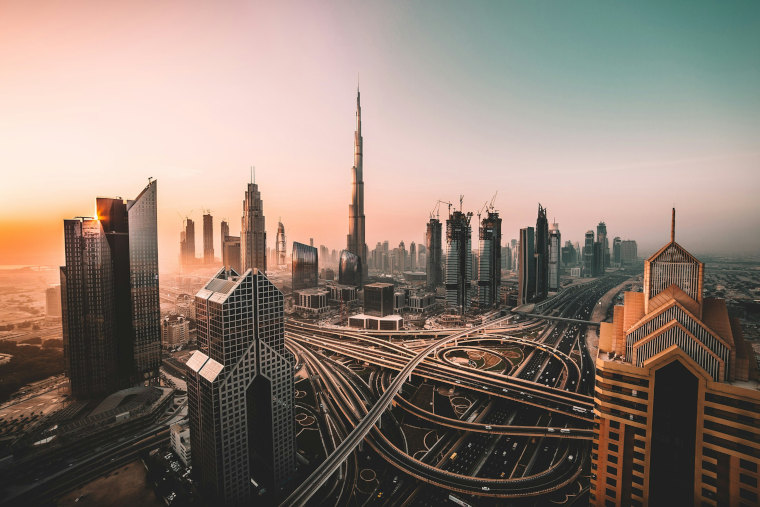 Image source: David Rodrigo / unsplash.com


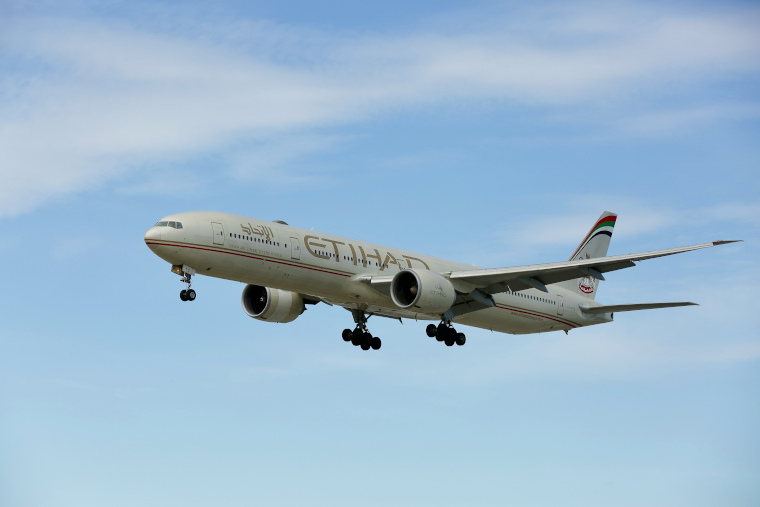 Image source: Michael / unsplash.com

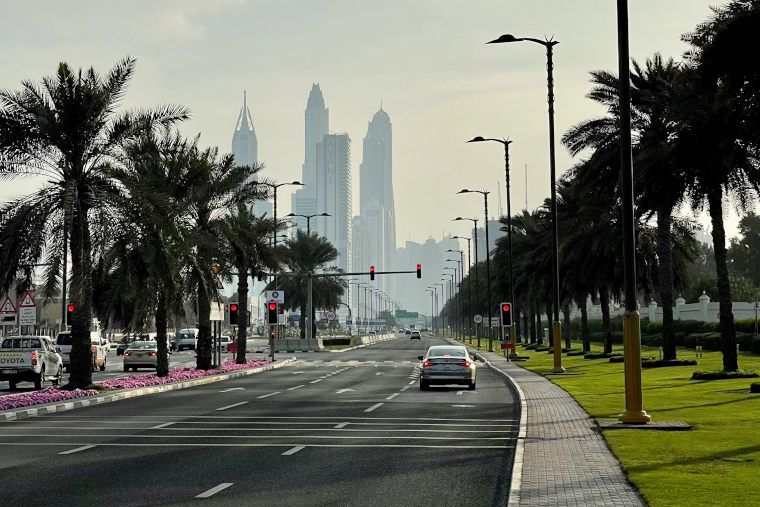 Image source: Andrey Olesko / unsplash.com

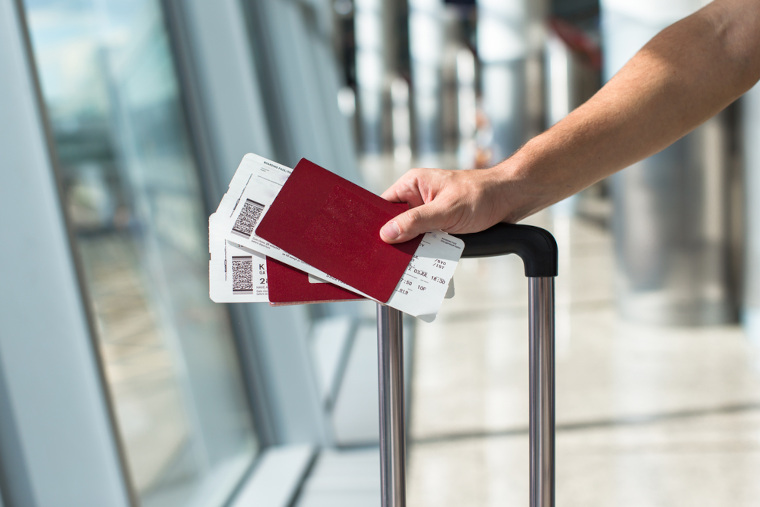 Image source: TravnikovStudio / shutterstock.com